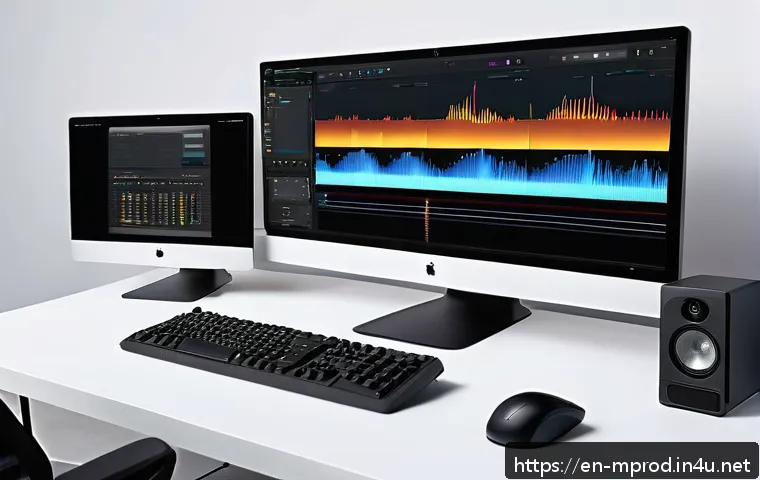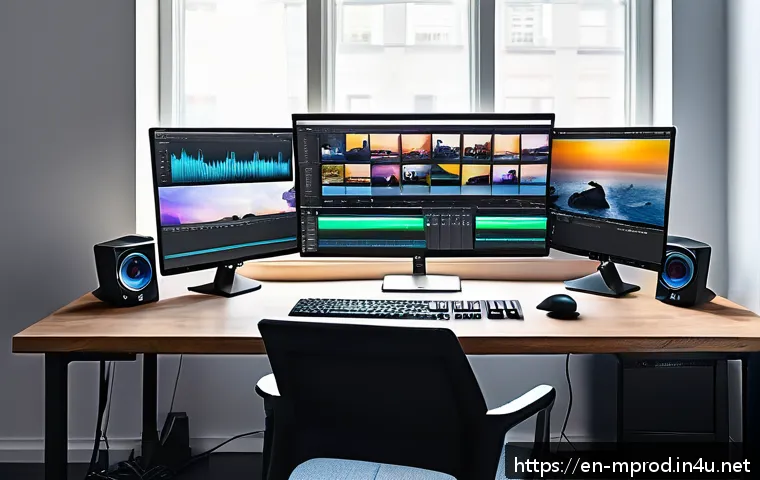
In today’s fast-paced media landscape, producers are constantly seeking workflows that maximize creativity while minimizing bottlenecks. From pre-production planning to final edits, having a streamlined process can make all the difference in delivering high-quality content on time.
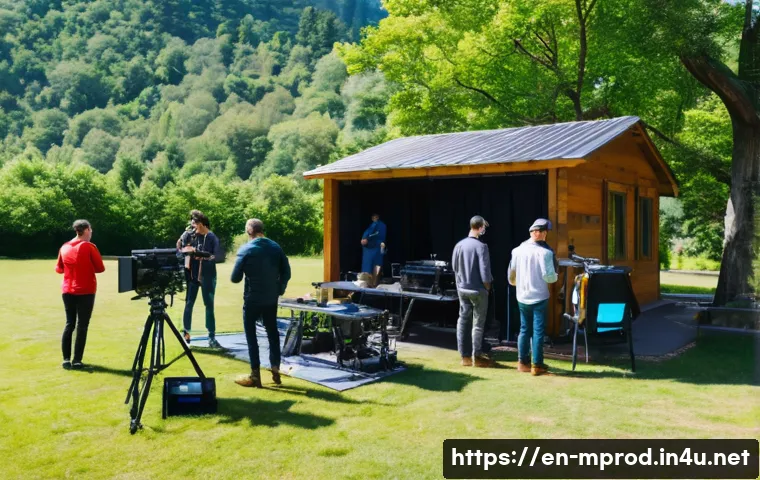
Many professionals now rely on a mix of traditional methods and cutting-edge tools to balance efficiency with artistic vision. Understanding these preferred workflows not only boosts productivity but also enhances collaboration across teams.
If you’re curious about how top media producers manage their projects from start to finish, we’re about to dive into the details. Let’s explore it thoroughly!
Optimizing Creative Brainstorming and Concept Development
Fostering Collaborative Idea Sessions
In my experience, the initial brainstorming phase sets the tone for the entire production. Successful producers often gather diverse teams for open discussions, encouraging everyone to voice ideas without immediate criticism.
This approach sparks creativity and allows unexpected concepts to surface. Using digital whiteboards or collaborative tools like Miro or Google Jamboard helps capture ideas in real-time, even when teams are remote.
I’ve found that when participants feel safe sharing their wildest thoughts, it leads to richer creative foundations that benefit the entire project.
Balancing Vision with Practical Constraints
While it’s tempting to dive into grand ideas, effective producers quickly assess feasibility alongside creativity. This means considering budget, timeline, and available resources early on.
For instance, a concept involving complex CGI might be amazing, but if the budget or deadline can’t accommodate it, adjustments must be made. I’ve noticed that successful workflows integrate these practical filters during concept development, so the vision remains ambitious but achievable.
This balance avoids frustration down the line and keeps the project on track.
Using Mood Boards and Storyboarding to Visualize Ideas
Visual aids are indispensable in clarifying abstract ideas. I’ve personally relied on mood boards to convey the tone, color palettes, and atmosphere before any shooting begins.
Storyboarding, even in rough sketches, helps everyone understand the sequence and flow of scenes. These tools act as a shared language between producers, directors, and editors, minimizing misinterpretations.
They also speed up decision-making since the team can see a tangible preview of how the project will unfold.
Streamlined Scheduling and Resource Management
Implementing Agile Project Management
Adopting agile methodologies has revolutionized how I handle production schedules. Breaking the project into smaller, manageable sprints allows teams to focus on specific deliverables with clear deadlines.
Daily stand-ups or quick check-ins help identify bottlenecks early and keep communication flowing. This iterative process means adjustments can be made without derailing the entire schedule, which is crucial in fast-paced environments where priorities often shift.
Utilizing Cloud-Based Tools for Real-Time Updates
Cloud platforms like Monday.com, Asana, or Trello have become indispensable. They offer centralized access to task lists, deadlines, and asset tracking, all updated in real time.
This transparency ensures that everyone from producers to freelancers stays aligned. I’ve experienced fewer last-minute surprises since these tools provide visibility into progress and potential delays.
Plus, automated notifications reduce the need for constant manual follow-ups.
Allocating Budgets with Flexibility
Budget management is a tightrope walk between staying within limits and allowing creative freedom. I’ve learned that setting aside contingency funds early on is essential for unexpected expenses.
Detailed spreadsheets combined with budgeting software like Float or QuickBooks make it easier to monitor spending continuously. Producers who revisit and adjust budgets regularly tend to avoid crises that could halt production or compromise quality.
Efficient Pre-Production Coordination and Team Alignment
Clear Role Definitions and Accountability
One of the biggest productivity killers I’ve witnessed is role confusion. Successful workflows start with clearly defining who is responsible for what.
This clarity reduces overlap and ensures that tasks don’t fall through the cracks. It also empowers team members to take ownership, which boosts morale and efficiency.
Creating organizational charts or responsibility matrices early on can save countless headaches later.
Prepping Equipment and Locations in Advance
Nothing derails a shoot faster than technical glitches or location issues. In my projects, scheduling equipment checks and location scouting well before production day has been a game changer.
It allows time to troubleshoot problems or secure permits without pressure. Coordinating with vendors and location managers ahead of time ensures smoother logistics and fewer surprises during shooting.
Conducting Rehearsals and Table Reads
Before cameras roll, rehearsals and table reads help align the cast and crew. I’ve found that these sessions reveal potential script issues or timing problems that aren’t obvious on paper.
They also build chemistry among performers and crew, which translates into better on-set collaboration. Investing time here pays off in fewer retakes and a more polished final product.
Adaptive Post-Production Techniques for Quality and Speed
Leveraging Non-Linear Editing Software
Editing tools like Adobe Premiere Pro, Final Cut Pro, or DaVinci Resolve have reshaped post-production workflows. Their non-linear capabilities let editors experiment freely without damaging original footage.
From personal experience, this flexibility accelerates the creative process and allows rapid iteration on cuts. Producers who stay involved during editing can provide timely feedback, streamlining revisions and preserving the project’s vision.
Integrating Sound Design and Visual Effects Early
Post-production isn’t just about cutting footage; it’s a layered process involving sound mixing, color grading, and effects integration. Coordinating these elements in parallel rather than sequentially reduces turnaround time.
For example, I’ve seen teams use temporary sound tracks during rough cuts to guide pacing before final audio is polished. Early collaboration between editors, sound designers, and VFX artists ensures a cohesive result.
Efficient Review Cycles and Client Feedback
Managing feedback loops can be tricky, especially with multiple stakeholders. Platforms like Frame.io or Wipster allow clients and collaborators to leave time-stamped comments directly on video drafts.
This specificity reduces misunderstandings and speeds up decision-making. I’ve found that setting clear deadlines for feedback and consolidating notes into actionable lists keeps post-production moving forward without endless revisions.
Communication Strategies that Enhance Team Cohesion
Establishing Transparent Communication Channels
Open and frequent communication is the lifeblood of any successful production. In my experience, using dedicated channels on Slack or Microsoft Teams for different departments helps keep conversations organized and accessible.
Transparency about progress, challenges, and changes prevents rumors and misalignment. Regular updates also foster trust and a sense of shared purpose.
Encouraging Constructive Feedback and Recognition
A culture where feedback is both given and received constructively improves morale and outcomes. I’ve noticed teams that celebrate small wins and acknowledge individual contributions stay motivated through stressful phases.
Constructive criticism delivered respectfully pushes quality without personal friction. Encouraging this balance is key to long-term collaboration success.
Facilitating Cross-Departmental Syncs
Periodic meetings that bring together creative, technical, and administrative teams help break down silos. These syncs allow for sharing insights, resolving conflicts, and aligning goals.
From personal experience, even short weekly touchpoints can prevent costly misunderstandings and foster innovation by combining diverse perspectives.
Technology Integration for Seamless Production
Choosing Tools Based on Project Needs
With the explosion of media production software, selecting the right tools can be overwhelming. I’ve learned that prioritizing tools that integrate well with existing workflows and offer scalability is crucial.
For example, cloud storage solutions like Google Drive or Dropbox simplify asset sharing, while AI-powered transcription tools speed up script revisions.
Picking technology that fits the team’s skill set and project scale prevents wasted time on steep learning curves.
Automating Routine Tasks
Automation isn’t just a buzzword; it’s a real productivity booster. Tasks like file backups, transcoding footage, or sending reminders can be automated using scripts or workflow platforms like Zapier.
I’ve personally saved hours weekly by automating repetitive processes, freeing up time for more creative problem-solving. This also reduces human error, which can be costly in tight deadlines.
Ensuring Data Security and Backup Protocols
Data loss is a nightmare scenario in media production. Establishing robust backup protocols and secure data storage safeguards months of work. I recommend using multiple backup methods—local drives, cloud storage, and off-site copies.
Encrypting sensitive files and controlling access also protect intellectual property. These practices not only prevent disaster but build client confidence in your professionalism.
| Workflow Stage | Key Practices | Recommended Tools | Benefits |
|---|---|---|---|
| Creative Development | Collaborative brainstorming, mood boards, feasibility checks | Miro, Canva, Google Docs | Rich ideas, aligned vision, realistic goals |
| Scheduling & Management | Agile sprints, real-time tracking, flexible budgeting | Monday.com, Asana, QuickBooks | On-time delivery, transparency, cost control |
| Pre-Production | Role clarity, equipment checks, rehearsals | Shotgun, Slack, location scouting apps | Efficient shoots, fewer disruptions, team readiness |
| Post-Production | Non-linear editing, parallel sound & VFX, streamlined reviews | Premiere Pro, Frame.io, DaVinci Resolve | Creative flexibility, faster turnaround, cohesive output |
| Communication | Transparent channels, feedback culture, cross-team syncs | Slack, Microsoft Teams, Zoom | Improved morale, fewer misunderstandings, innovation |
| Technology | Tool integration, automation, data security | Zapier, Google Drive, cloud backup services | Time savings, error reduction, data protection |
Wrapping Up
Optimizing every stage of production—from brainstorming to post-production—builds a strong foundation for success. Embracing collaboration, clear communication, and smart technology choices helps keep projects on track and creatively vibrant. With these strategies, teams can navigate challenges smoothly and deliver high-quality results efficiently.
Useful Tips to Keep in Mind
1. Encourage open idea sharing early on to unlock innovative concepts without fear of judgment.
2. Always balance creative ambition with practical constraints like budget and timelines to avoid setbacks.
3. Utilize visual tools like mood boards and storyboards to create a shared understanding across teams.
4. Implement agile project management and cloud-based tools for real-time updates and flexible scheduling.
5. Automate repetitive tasks and maintain strong data backup protocols to save time and protect your work.
Key Takeaways
Clear role definitions and accountability prevent workflow confusion and boost team morale. Preparing equipment and locations ahead of time avoids costly delays during shoots. Early integration of sound design and visual effects accelerates post-production without sacrificing quality. Maintaining transparent communication channels and fostering a constructive feedback culture enhances collaboration and innovation. Lastly, selecting technology that fits your team’s needs and automating routine processes maximizes efficiency while safeguarding your creative assets.
Frequently Asked Questions (FAQ) 📖
Q: What are the key stages in a streamlined media production workflow?
A: A well-structured media production workflow typically includes pre-production, production, and post-production stages. Pre-production involves planning, scripting, storyboarding, and scheduling to set a clear roadmap.
Production is where filming or content creation happens, focusing on capturing the best material efficiently. Post-production covers editing, sound design, visual effects, and final revisions.
When these stages flow smoothly with proper communication and tools, it significantly reduces delays and boosts overall quality. From my experience, investing time upfront in detailed planning can save countless hours later on.
Q: How do modern tools improve collaboration in media production teams?
A: Today’s media producers benefit immensely from cloud-based platforms and project management software that allow real-time collaboration regardless of location.
Tools like frame.io, Adobe Creative Cloud, or Slack enable instant feedback, version control, and transparent communication. Personally, I’ve noticed that when the team can see edits or notes live, it cuts down on endless email threads and misunderstandings.
This not only speeds up the approval process but also encourages creative input from everyone, making the final product richer and more polished.
Q: What are some common bottlenecks in media production, and how can they be minimized?
A: Common bottlenecks include unclear project goals, inefficient communication, and delays in feedback or asset delivery. Another frequent snag is juggling multiple software or incompatible file formats, which can slow down editing.
To minimize these issues, it’s crucial to establish clear expectations early, use integrated tools that support your workflow, and maintain consistent check-ins throughout the project.
From what I’ve seen firsthand, setting milestones and having a centralized hub for all assets can keep things on track and prevent last-minute chaos.