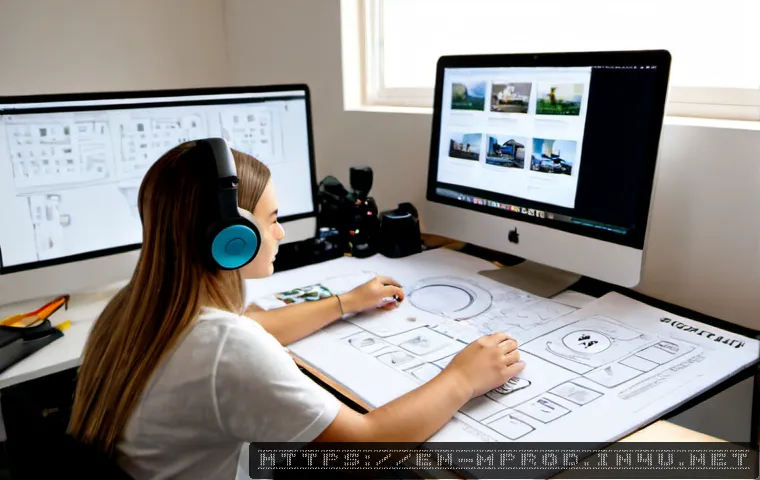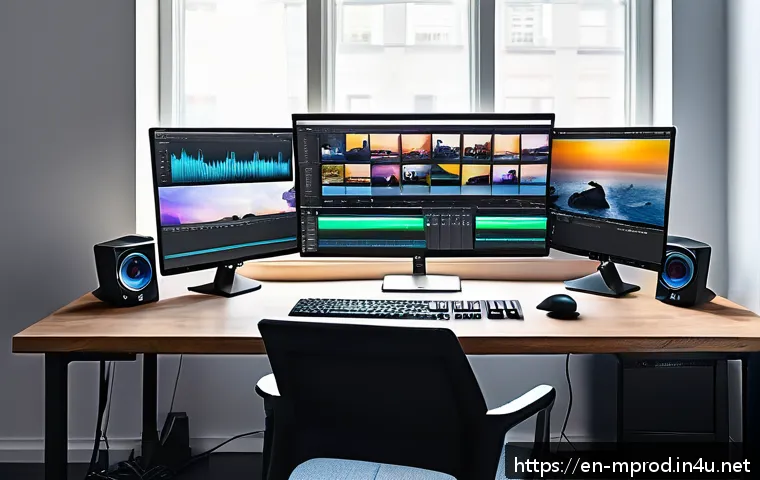
In today’s fast-evolving digital world, the role of a media producer has become more dynamic and influential than ever before. With content consumption skyrocketing across platforms, mastering the art of media production is key to standing out and thriving.

Whether you’re just starting out or looking to sharpen your skills, understanding the current landscape is essential. This guide will walk you through the crucial steps to build a successful career in media production, blending creativity with cutting-edge technology.
Let’s dive into the strategies that can help you turn your passion into a rewarding profession in this exciting digital era.
Embracing the Shift: Navigating the Digital Media Landscape
Understanding Platform Diversity
Digital media today isn’t just about one channel or format; it’s a sprawling ecosystem of platforms ranging from traditional video outlets like YouTube and Vimeo to emerging social hubs such as TikTok, Instagram Reels, and even podcast networks.
For a media producer, grasping the nuances of each platform’s audience, content style, and engagement metrics is crucial. For example, what works on TikTok—a fast-paced, visually engaging format—won’t necessarily resonate on a podcast, which thrives on in-depth storytelling and audio quality.
My experience shows that investing time in learning platform-specific trends and adapting content accordingly dramatically improves reach and viewer retention.
Staying Ahead with Technology
The tools and technology available to media producers are evolving at breakneck speed. From AI-assisted editing software to real-time analytics dashboards, embracing these advancements can be a game-changer.
When I first started experimenting with AI-based editing tools, the efficiency boost was undeniable; tasks that once took hours were cut down to minutes, freeing up time for creative brainstorming.
However, technology is only a tool—it’s how you use it to enhance storytelling that really counts. Staying curious and continuously updating your skillset ensures you don’t get left behind in this rapidly changing environment.
Building a Personal Brand in the Noise
With millions of creators vying for attention, crafting a unique identity is no longer optional. It’s about authenticity and consistency. I found that sharing personal stories behind projects or showing the process rather than just the finished product resonates deeply with audiences.
This approach humanizes your brand and builds trust, which is essential for long-term engagement. Leveraging social media to create a cohesive narrative around your work can open doors to collaborations and sponsorships that might otherwise feel out of reach.
Mastering Storytelling Techniques for Maximum Impact
Crafting Compelling Narratives
Storytelling remains at the heart of media production. What sets great producers apart is their ability to weave narratives that evoke emotion, provoke thought, or inspire action.
When I produce content, I focus heavily on the story arc—introducing relatable characters, building tension, and delivering satisfying resolutions. Whether it’s a short commercial or a documentary, the emotional connection viewers feel drives engagement more than flashy visuals alone.
Balancing Creativity with Audience Expectations
Understanding your audience’s preferences without compromising your creative vision can be tricky. Early in my career, I struggled with this balance, often diluting my ideas to fit what I thought viewers wanted.
Over time, I learned to use data analytics to identify what resonates while still pushing creative boundaries. For instance, if analytics show that viewers drop off during long intros, I experiment with hooking them immediately while maintaining narrative depth.
This blend of art and science is essential for sustained success.
Using Visual and Audio Elements Effectively
The synergy between visuals and audio can make or break a piece of content. From color grading that sets the mood to sound design that amplifies emotion, every element should serve the story.
I always recommend producers invest time in learning basic principles of cinematography and sound mixing, even if they’re not specialists. These skills help you communicate better with your team and ensure your vision translates perfectly on screen.
Networking and Collaboration: The Power of Connections
Building Meaningful Industry Relationships
Networking isn’t just about handing out business cards; it’s about cultivating genuine relationships. Over the years, I’ve found that some of the best opportunities come from casual conversations at events or online forums where you least expect them.
Being approachable and showing interest in others’ projects often leads to collaborations that enrich your portfolio and expand your skillset.
Collaborating Across Disciplines
Media production is inherently collaborative, involving writers, directors, editors, sound engineers, and marketers. Learning to communicate effectively across these roles is key to a smooth production process.
Personally, I’ve noticed that projects where everyone’s input is valued tend to be more creative and efficient. Embracing diverse perspectives helps uncover innovative ideas that elevate the final product.
Leveraging Online Communities and Resources
In today’s digital age, online communities are goldmines for networking and learning. Platforms like LinkedIn groups, Reddit forums, and specialized Discord servers offer spaces to share advice, find collaborators, and stay updated on industry trends.
I often participate in webinars and virtual meetups, which have been instrumental in keeping my skills sharp and expanding my professional circle without geographic limitations.
Monetizing Your Media Production Skills Strategically
Exploring Diverse Revenue Streams
Relying on a single income source in media production is risky. In my journey, diversifying revenue streams—from freelance projects and branded content to affiliate marketing and digital product sales—has provided financial stability.
For example, creating and selling stock footage or offering online workshops on media production can generate passive income alongside active projects.
Building a Portfolio that Attracts Clients
A well-curated portfolio is your calling card. I’ve learned that showcasing a variety of styles and formats tailored to the kind of work you want attracts the right clients.
Including behind-the-scenes insights and client testimonials adds credibility. Regularly updating your portfolio to reflect current skills and trends keeps you competitive in a crowded marketplace.

Understanding Contracts and Negotiations
Knowing how to negotiate fair contracts protects your rights and earnings. Early on, I underestimated this aspect and missed out on better deals. Learning the basics of intellectual property rights, usage terms, and payment schedules is essential.
Don’t hesitate to consult professionals or use contract templates specifically designed for media producers to ensure clarity and fairness.
Developing Essential Technical Skills and Creative Tools
Mastering Editing Software
Proficiency in editing tools like Adobe Premiere Pro, Final Cut Pro, or DaVinci Resolve is foundational. I recommend dedicating time to mastering shortcuts, color correction, and audio syncing because these skills speed up workflow and enhance quality.
Experimenting with different software also broadens your toolkit and adaptability.
Exploring Animation and Motion Graphics
Adding animation and motion graphics can significantly elevate your projects. Even basic knowledge of After Effects or Blender allows you to create engaging visuals that capture attention.
I recall a client who was thrilled by a simple animated intro I created, which boosted their video’s professionalism and audience retention.
Utilizing Analytics to Refine Content
Understanding analytics tools like Google Analytics, YouTube Studio, or social media insights helps tailor your content strategy. I often analyze viewer demographics, watch time, and engagement rates to tweak content for better performance.
This data-driven approach complements creativity by grounding decisions in audience behavior.
Maintaining Well-being and Creative Energy in a Demanding Industry
Managing Workload and Deadlines
The media production world can be intense with tight deadlines and high expectations. Early in my career, I learned the hard way about burnout. Now, I prioritize realistic scheduling and break larger projects into manageable tasks.
Using project management tools like Trello or Asana helps keep everything on track without overwhelming stress.
Fostering Continuous Learning and Inspiration
Staying inspired is vital for creativity. I make it a point to consume diverse content—from films and podcasts to art exhibitions—which fuels fresh ideas.
Attending workshops or online courses not only sharpens skills but also renews motivation. Surrounding yourself with a community of creatives encourages growth and resilience.
Balancing Passion with Practicality
Passion drives media production, but balancing it with practical business sense ensures longevity. I’ve found that setting clear goals and regularly reviewing progress helps align creative ambitions with financial realities.
Celebrating small wins along the way keeps the journey rewarding and sustainable.
| Key Skill | Recommended Tools | Why It Matters | Personal Tip |
|---|---|---|---|
| Video Editing | Adobe Premiere Pro, Final Cut Pro | Foundation of content creation and polish | Learn keyboard shortcuts to speed up workflow |
| Audio Production | Audacity, Adobe Audition | Enhances storytelling through sound quality | Invest in a good microphone for better recordings |
| Motion Graphics | After Effects, Blender | Adds visual interest and professionalism | Start with simple animations to build confidence |
| Analytics | YouTube Studio, Google Analytics | Informs content strategy and audience targeting | Review analytics weekly to identify trends |
| Project Management | Trello, Asana | Keeps production organized and on schedule | Break tasks into small steps to avoid overwhelm |
In Conclusion
Embracing the evolving digital media landscape requires adaptability, creativity, and a strategic mindset. By understanding platform nuances, leveraging technology, and cultivating authentic connections, media producers can thrive. Continuous learning and balancing passion with practicality ensure sustained growth and fulfillment in this dynamic industry.
Useful Information to Keep in Mind
1. Stay updated with platform-specific trends to maximize content engagement and reach.
2. Invest time in mastering essential tools like editing software and analytics for efficient production and informed decision-making.
3. Authentic storytelling and consistent personal branding build lasting audience trust and open collaborative opportunities.
4. Diversify income streams to create financial stability and explore passive revenue options.
5. Prioritize well-being by managing workload wisely and seeking inspiration to maintain creative energy.
Key Takeaways
Understanding the diversity of digital platforms and tailoring content accordingly is fundamental. Leveraging technology smartly enhances productivity but never replaces authentic storytelling. Building meaningful relationships and engaging with online communities enrich your professional network. Diversifying revenue and mastering both creative and technical skills secure a competitive edge. Lastly, balancing passion with practical strategies and self-care is essential for long-term success in media production.
Frequently Asked Questions (FAQ) 📖
Q: What skills are essential to succeed as a media producer in today’s digital landscape?
A: To thrive as a media producer now, you need a blend of creative and technical skills. Strong storytelling abilities are crucial because content needs to engage audiences emotionally.
On the tech side, familiarity with video editing software like Adobe Premiere or Final Cut Pro, sound design tools, and even some knowledge of animation or motion graphics can set you apart.
Also, understanding social media algorithms and platform-specific content trends helps ensure your work reaches the right audience. From my experience, adaptability and continuous learning are key since technology and audience preferences shift rapidly.
Q: How can someone just starting out build a successful career in media production?
A: Starting out, focus on building a diverse portfolio that showcases your range—short films, social media videos, podcasts, anything that reflects your style and skills.
Internships or freelance gigs are invaluable for gaining hands-on experience and networking. Don’t underestimate the power of collaboration; working with other creatives can open doors and help you learn faster.
I found that sharing work consistently on platforms like YouTube or Instagram helped me get noticed and improve through real audience feedback. Lastly, always stay curious and keep experimenting with new tools and storytelling methods.
Q: What are the biggest challenges media producers face today, and how can they overcome them?
A: One major challenge is standing out in an oversaturated market—there’s a flood of content everywhere. To overcome this, focus on creating authentic, high-quality content that resonates on a personal level.
Time management is another hurdle since producers often juggle multiple projects; developing strong organizational skills or using project management tools can help keep everything on track.
Lastly, keeping up with rapid tech changes can be overwhelming, but dedicating regular time to learning and networking with industry peers makes a huge difference.
From my own journey, embracing these challenges as opportunities to grow keeps the passion alive.