Breaking into the world of media production is both exciting and challenging. It demands a unique blend of creativity, technical skills, and a deep understanding of storytelling.
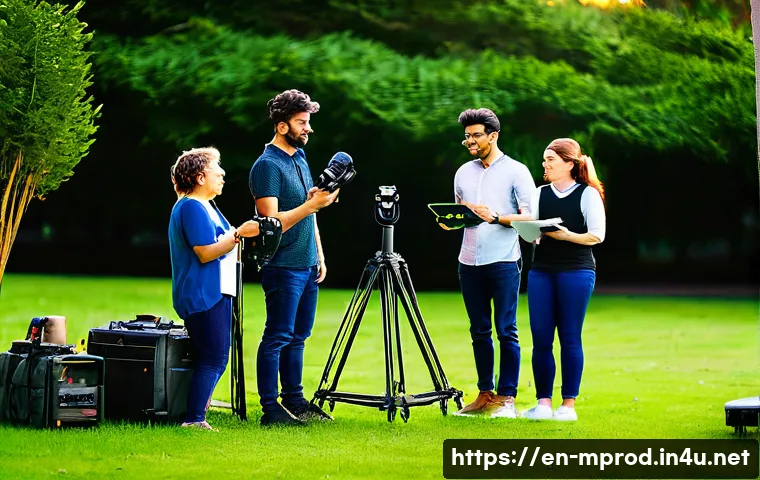
Whether you’re aiming to produce films, digital content, or live broadcasts, having a solid learning plan can set you apart from the competition. From mastering industry-standard software to building a network of professionals, every step counts.
If you’re ready to dive into this dynamic field, let’s explore the essential strategies and resources that will help you succeed. Get ready to uncover the roadmap to becoming a skilled media producer!
Building a Strong Technical Foundation
Getting Comfortable with Editing Software
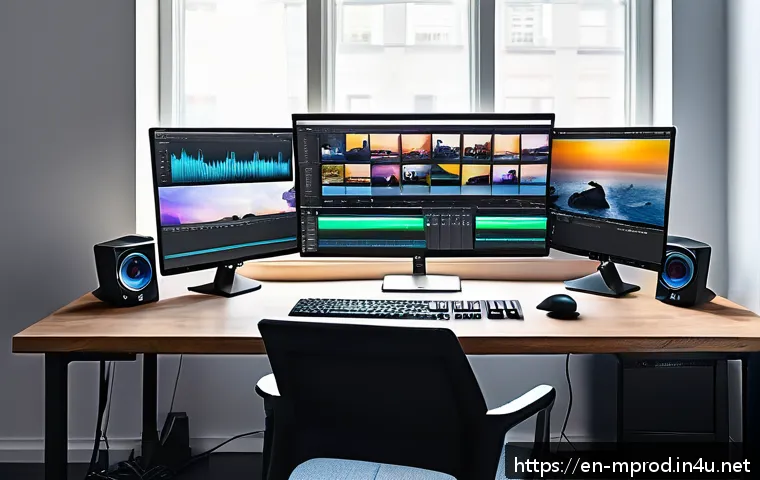
When I first stepped into media production, the sheer number of editing tools available was overwhelming. Programs like Adobe Premiere Pro, Final Cut Pro, and DaVinci Resolve each have their quirks and strengths.
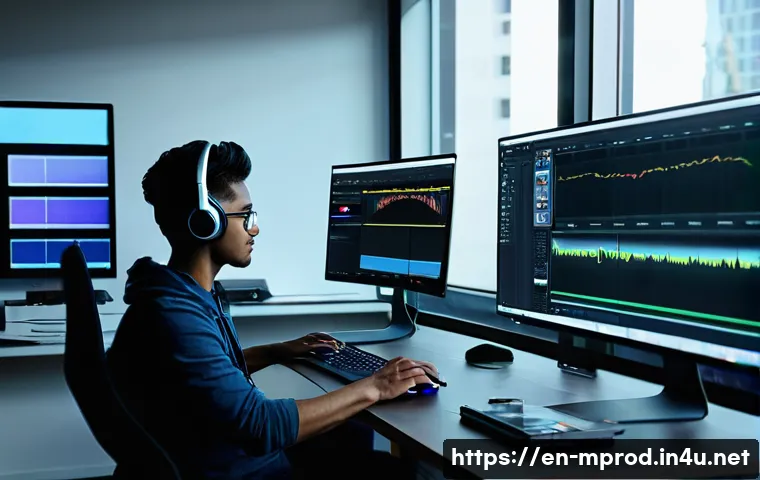
The key is to pick one and really dive deep into it. I found that dedicating time daily to tutorials and experimenting with real footage helped me understand timelines, transitions, color grading, and audio mixing much faster than just reading manuals.
Hands-on experience is invaluable here because these tools are the backbone of any media project. Plus, as technology evolves, having a solid grasp on one program makes it easier to adapt to new software down the line.
Mastering Audio and Visual Techniques
No matter how great your visuals are, poor audio can ruin the entire production. Learning to capture clean sound on set or in the studio is just as important as knowing how to frame a shot.
I started by practicing with budget microphones and recording in different environments to understand how background noise, echo, and distance affect quality.
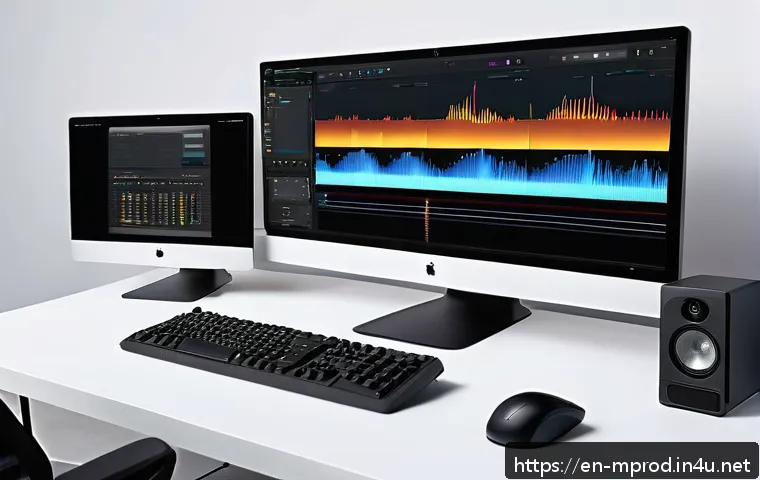
Post-production audio editing is another crucial skill—noise reduction, balancing levels, and syncing dialogue can make your project feel polished and professional.
Lighting also plays a big role; experimenting with natural light and inexpensive lighting kits taught me how to create mood and depth in a scene without breaking the bank.
Understanding the Workflow from Start to Finish
It’s easy to get lost focusing solely on the creative parts, but production is a structured process. Pre-production planning, shooting schedules, post-production timelines, and delivery deadlines all need careful coordination.
In my early projects, I underestimated how much time each phase required, which led to unnecessary stress. Creating detailed checklists and project timelines helped me stay organized and meet expectations.
Learning industry-standard workflows like the three-point lighting setup, color correction pipelines, and export settings for various platforms ensures your work looks professional no matter where it’s showcased.
Crafting Stories That Resonate
Finding Your Unique Voice in Storytelling
Storytelling is the heart of media production. Early on, I realized that technical skills alone wouldn’t cut it without a compelling narrative. What’s your story?
Why does it matter? I began by analyzing my favorite films and web series, paying close attention to character development, pacing, and emotional arcs.
Writing short scripts and getting feedback from peers helped me refine my voice and style. Authenticity is key; the best stories come from genuine experiences or well-researched insights that connect with the audience on a personal level.
Balancing Visuals with Narrative Flow
A common mistake I noticed in beginner projects was focusing too much on flashy visuals and neglecting story coherence. The visuals should always support the narrative, not overpower it.
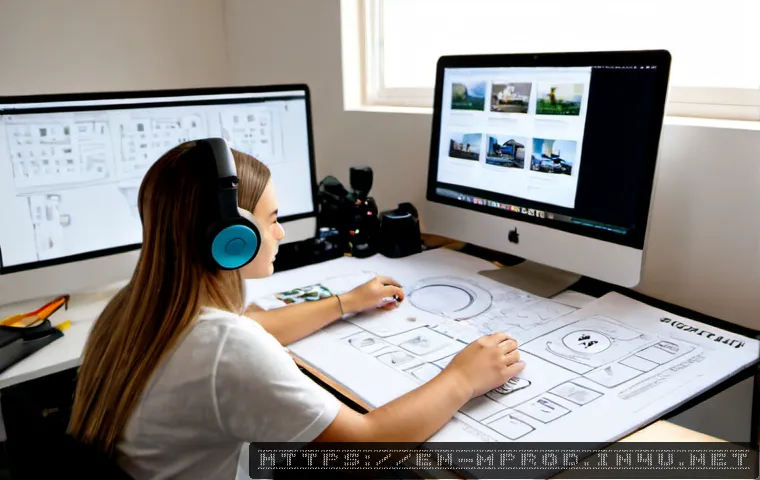
Storyboarding became an essential step in my process, allowing me to visualize how scenes transition and how the audience’s attention moves. This planning stage also helps identify potential pacing issues or moments where the story might drag.
Balancing dialogue, action, and visual storytelling ensures your audience stays engaged from start to finish.
Using Feedback to Strengthen Your Work
No one creates a perfect piece on the first try. Sharing rough cuts and scripts with trusted friends or mentors can reveal blind spots and spark new ideas.
I found that constructive criticism, while sometimes tough to hear, was invaluable in elevating my projects. Creating a feedback loop allows for continuous improvement and helps you see your work from different perspectives, which is crucial in a collaborative industry like media production.
Networking and Industry Connections
Finding Communities and Collaborators
Breaking into media production isn’t just about what you know, but who you know. Joining local filmmaker groups, online forums, or social media communities helped me find collaborators for projects and mentors willing to share advice.
Attending workshops, film festivals, and industry meetups might feel intimidating at first, but these spaces are goldmines for connections. Even casual conversations can lead to job opportunities or partnerships down the road.
The industry thrives on relationships, so investing time in networking is essential.
Leveraging Social Media for Exposure
Platforms like Instagram, YouTube, and TikTok offer incredible opportunities to showcase your work and attract attention from professionals and fans alike.
I started by posting behind-the-scenes clips and short projects, which gradually built a small but engaged audience. Consistency and authenticity are crucial here—people want to see your creative process and personality, not just finished products.
Using relevant hashtags, engaging with followers, and collaborating with other creators can boost your visibility significantly.
Building a Professional Portfolio
Your portfolio is your calling card. It should highlight your best work and demonstrate versatility across different types of media. I created a website that organized my projects by category—commercials, short films, digital content—which made it easy for potential clients or employers to navigate.
Including brief descriptions about your role, challenges faced, and tools used adds depth and professionalism. Regularly updating your portfolio ensures it reflects your current skills and style.
Staying Current with Industry Trends
Following Emerging Technologies
Media production is constantly evolving with new tech like VR, 360-degree video, and AI-assisted editing tools. I make it a point to stay informed by subscribing to industry newsletters, attending webinars, and experimenting with new gadgets or software when possible.
Early adoption can give you a competitive edge and open doors to innovative projects. For example, learning how to integrate drone footage or mastering motion graphics has expanded the types of projects I’m able to take on.
Understanding Platform-Specific Requirements
Different platforms have unique specifications and audience expectations. Producing content for Instagram reels, YouTube, or broadcast TV each demands adjustments in aspect ratios, video length, and storytelling style.
I learned this the hard way after uploading a project without adapting it for mobile viewing, which led to poor engagement. Researching platform guidelines and analyzing trending content helps tailor your production to maximize reach and impact.
Participating in Continuous Education
The learning never stops in media production. Online courses, masterclasses, and certification programs are great ways to deepen your expertise. I’ve taken several classes on cinematography and color theory that significantly improved the quality of my work.
Many platforms offer affordable or free options, so it’s about setting aside time regularly to invest in yourself. This ongoing education also signals professionalism and commitment to potential clients or employers.
Managing Projects and Client Expectations
Effective Communication Skills
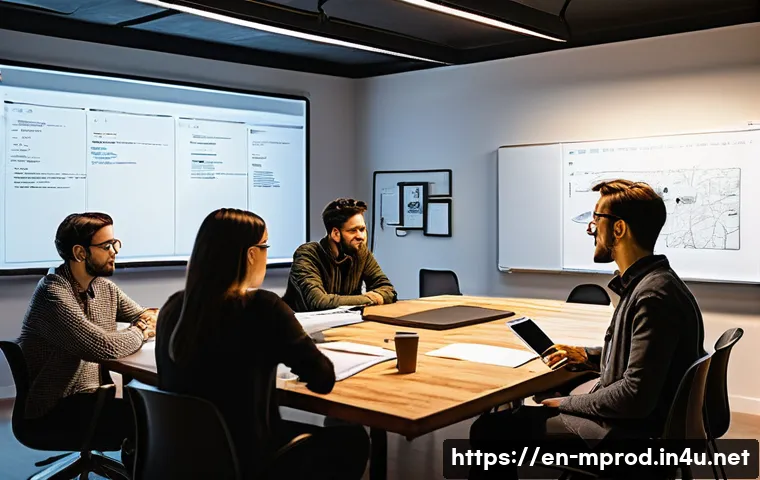
Clear communication is the glue that holds production projects together. From initial client meetings to final delivery, articulating your ideas and listening carefully to feedback prevents misunderstandings.
I always make sure to confirm project goals, deadlines, and budget constraints upfront. Keeping clients updated with progress reports or rough cuts builds trust and reduces last-minute surprises.
Being transparent about challenges also helps manage expectations realistically.
Time and Resource Management
Productions often involve juggling multiple tasks and deadlines. I developed a habit of using project management tools like Trello or Asana to track tasks, assign responsibilities, and monitor progress.
Budgeting is another critical aspect—knowing where to allocate funds for equipment, locations, or talent can make or break a project. Learning to prioritize tasks and stay flexible when unexpected issues arise is key to delivering quality work on time.
Negotiating Contracts and Rights
Understanding contracts and intellectual property rights is vital to protect your work and earnings. Early in my career, I struggled with vague agreements that led to confusion about ownership or payment terms.
Now, I make sure all agreements are clear, preferably in writing, covering aspects like usage rights, payment schedules, and credit attribution. Seeking legal advice or using contract templates from trusted sources can save headaches and ensure professional relationships remain positive.
Essential Tools and Resources for Media Producers
Hardware and Software Essentials
Having the right gear can significantly enhance your production quality. While high-end cameras and lighting kits are fantastic, I found that starting with reliable mid-range equipment allowed me to learn fundamentals without overwhelming costs.
A good laptop with sufficient processing power, external hard drives for backups, and quality headphones for audio editing are must-haves. Software-wise, besides editing tools, programs like Adobe After Effects for motion graphics and Audacity for audio cleanup have been invaluable in my toolkit.
Educational Platforms and Workshops
Many online platforms offer comprehensive courses tailored to media production, from beginner to advanced levels. Websites like Skillshare, MasterClass, and LinkedIn Learning provide structured content taught by industry professionals.
I recommend supplementing these with live workshops or local classes where possible, as hands-on instruction and networking opportunities can accelerate your learning curve.
Some organizations also offer certifications that can boost your credibility when applying for jobs.
Budgeting for Your Learning Journey
Investing in your education and equipment can feel daunting, especially when starting out. I kept a spreadsheet tracking expenses for courses, gear, and software subscriptions to stay organized and avoid overspending.
Prioritizing essentials first and gradually upgrading as your skills and income grow helped me maintain balance. Free resources, like YouTube tutorials and community forums, also provide excellent support without financial strain.
| Category | Recommended Tools/Resources | Notes |
|---|---|---|
| Editing Software | Adobe Premiere Pro, Final Cut Pro, DaVinci Resolve | Choose one to master deeply before branching out |
| Audio Tools | Audacity, Rode Microphones, Zoom Recorders | Invest in good mic and learn noise reduction techniques |
| Project Management | Trello, Asana, Google Calendar | Helps track deadlines and coordinate teams efficiently |
| Learning Platforms | Skillshare, MasterClass, LinkedIn Learning | Offers courses from basics to advanced skills |
| Networking | Film Festivals, Meetup Groups, Social Media | Build relationships and find collaborators |
Embracing Creativity Through Experimentation
Trying Different Formats and Styles
One of the best ways to grow as a media producer is by stepping out of your comfort zone. I challenged myself to create projects in various formats—short films, documentaries, commercials, and social media content.
Each format demands different storytelling approaches and technical skills. Experimenting with animation or stop-motion, for example, opened new creative doors I hadn’t considered before.
These experiences not only keep your work fresh but also build a diverse portfolio attractive to a wider range of clients.
Collaborating Across Disciplines
Working with writers, graphic designers, musicians, and actors enriches your projects and teaches you how to communicate across creative languages. Early collaborations taught me patience and flexibility, as each discipline has its own pace and priorities.
These partnerships often lead to innovative ideas that wouldn’t emerge in isolation. Plus, the shared energy and enthusiasm during collaboration can turn daunting projects into fun, inspiring journeys.
Reflecting and Iterating on Your Work
After completing each project, I take time to reflect on what went well and what could be improved. Sometimes I revisit old projects to see how my skills have evolved or to find opportunities for re-editing with new techniques.
This habit keeps me grounded and motivated. Treating every piece as a learning opportunity rather than just a finished product fosters continuous growth and creativity in the long run.
Wrapping Up
Building a solid foundation in media production takes time, patience, and hands-on practice. From mastering technical tools to crafting compelling stories and networking effectively, each step plays a crucial role in your growth. Remember, continuous learning and experimentation keep your skills sharp and your creativity alive. Embrace challenges as opportunities, and your passion will shine through every project you create.
Useful Tips to Keep in Mind
1. Dedicate consistent time daily to practice your chosen editing software—it accelerates your comfort and efficiency.
2. Prioritize audio quality as much as visuals; clean sound significantly enhances the viewer’s experience.
3. Use storyboarding to plan your narrative flow and avoid pacing issues before filming begins.
4. Engage with communities and social platforms to expand your network and open doors to new projects.
5. Stay updated on industry trends and platform requirements to keep your content relevant and impactful.
Key Takeaways
Success in media production hinges on a balanced blend of technical skill, storytelling ability, and professional communication. Developing expertise in editing and audio, alongside understanding project workflows, will set you apart. Equally important is nurturing relationships within the industry and adapting to evolving technologies. Always keep learning and reflecting on your work to continuously elevate your craft and deliver projects that resonate with your audience.
Frequently Asked Questions (FAQ) 📖
Q: What are the essential technical skills I need to start a career in media production?
A: To get your foot in the door, you’ll want to become comfortable with industry-standard software like Adobe Premiere Pro for video editing, After Effects for motion graphics, and DaVinci Resolve for color correction.
Additionally, understanding camera operation, lighting basics, and audio recording techniques is crucial. I found that hands-on practice with these tools, even on small personal projects, dramatically boosted my confidence and skill level.
Don’t overlook storytelling fundamentals either—knowing how to craft a compelling narrative can set your work apart.
Q: How important is networking in the media production industry, and how can I build meaningful connections?
A: Networking is absolutely vital. The media world thrives on relationships, and many opportunities come through referrals or collaborations. I personally started attending local film festivals, industry meetups, and online forums dedicated to media production.
Volunteering on projects or internships also opened doors for me to meet experienced professionals. Remember, genuine connections matter more than just collecting contacts.
Showing enthusiasm, offering help, and staying in touch can lead to long-term partnerships and job leads.
Q: What’s the best way to create a learning plan that balances technical skills and creative development?
A: Crafting a balanced learning plan means setting clear goals for both your technical proficiency and creative growth. Start by identifying the specific media field you want to focus on—like film editing or live broadcasting—and then list the key skills needed.
Allocate time weekly for software tutorials, but also for studying storytelling techniques, scriptwriting, or directing. From my experience, mixing practical projects with feedback sessions helped me improve faster.
Don’t hesitate to adjust your plan as you discover new interests or industry trends. Staying adaptable keeps your learning relevant and exciting.