Jumping into the freelance world as a media producer felt like stepping onto a roller coaster – equal parts thrilling and terrifying! The initial uncertainty was definitely there, wondering where the next project would come from.
But honestly, that’s also what fueled me. The freedom to choose my own projects, set my own hours, and work with a diverse range of clients has been incredibly rewarding.
It’s a constant learning curve, pushing me to adapt and grow. I’ve learned to navigate the complexities of contracts, pricing, and client management, all while honing my creative skills.
Alright, enough of the intro! Let’s get down to the nitty-gritty. ### Mastering the Freelance Media Producer Game: A Comprehensive GuideThe media production landscape is undergoing a seismic shift, driven by AI and the ever-evolving demands of content consumers.
Forget static websites; we’re talking immersive experiences, interactive storytelling, and hyper-personalized content. As a freelance media producer, you need to be more than just a skilled technician; you need to be a visionary.
Building Your E-E-A-T (Experience, Expertise, Authoritativeness, Trustworthiness):* Experience is Your Ace: Clients aren’t just looking for skills; they want to know you’ve *been there, done that*.
My own experience producing a live-streamed concert series, complete with remote interviews and audience interaction, taught me more than any textbook ever could.
Don’t be afraid to showcase your failures as well as your successes – authenticity resonates. * Demonstrate Expertise: The term “media producer” is broad.
Specialize! Are you a video editing guru? A master of motion graphics?
Or perhaps a podcast production whiz? Hone your skills in a specific niche and become the go-to expert in that area. Share your knowledge through blog posts, tutorials, or even webinars.
Personally, I found that offering free workshops on video editing software helped establish me as a knowledgeable resource and attracted new clients. * Establish Authority: Authority isn’t about bragging; it’s about demonstrating your command of the subject matter.
Contribute to industry publications, speak at conferences, or create a portfolio that showcases your best work. Secure testimonials from satisfied clients.
Word-of-mouth referrals are gold in the freelance world. * Cultivate Trustworthiness: This is arguably the most important factor. Be reliable, honest, and transparent in your dealings with clients.
Deliver on your promises, and don’t be afraid to admit when you’ve made a mistake. Building trust takes time, but it’s essential for long-term success.
Embracing the AI Revolution (Not Replacing You!):AI isn’t here to steal our jobs, but it *is* changing the game. Instead of fearing AI, embrace it!
Tools like Descript, RunwayML, and other AI-powered editing software can significantly speed up your workflow, allowing you to focus on the creative aspects of your projects.
Think of AI as your assistant, handling the tedious tasks so you can focus on the big picture. Staying Ahead of the Trends:The media landscape is constantly evolving.
Stay informed about the latest trends and technologies by following industry publications, attending conferences, and networking with other professionals.
Pay attention to emerging platforms like TikTok and the metaverse, and experiment with new content formats. Monetization Strategies for the Modern Freelancer:* Diversify Your Income Streams: Don’t rely solely on project-based income.
Consider offering subscription-based services, creating and selling digital products, or teaching online courses. * Optimize Your Website for SEO: Make sure your website is optimized for search engines so potential clients can easily find you.
Use relevant keywords in your website copy and blog posts. * Network Like Your Career Depends On It: Attend industry events, join online communities, and connect with other professionals on social media.
Building relationships is crucial for generating leads and securing new projects. Navigating the Future:The future of media production is bright, but it’s also uncertain.
Be prepared to adapt and evolve as the industry changes. Embrace new technologies, develop your skills, and never stop learning. Let’s dive into all the details down below!
Alright, let’s dive in.
Crafting Your Irresistible Brand Story
This isn’t just about listing your skills; it’s about weaving a narrative that captivates potential clients. Think about it: when was the last time you were drawn in by a dry resume?
Probably never! Your brand story should highlight your unique journey, the challenges you’ve overcome, and the passion that drives you. For instance, I started out filming skateboarding videos with my friends.
The shaky footage and terrible editing were hilarious, but that’s where my love for visual storytelling began. I eventually learned how to produce better content by watching a variety of online videos, and I spent tons of time actually doing the production and the shooting.
When I talk to my clients I tell them how I started at the bottom and worked my way up to getting better, one skill at a time. Now, when I work with clients, I always ask about their story.
What motivates them? What problems are they trying to solve? Then, I will collaborate with them to produce something that tells their story!
That’s how you get business! That is a great approach when marketing yourself as a freelance media producer.
Defining Your Niche
Don’t be a jack-of-all-trades, master of none. Focus on a specific area of media production, such as corporate video, social media content, or podcast production.
Specializing makes you more attractive to clients who are looking for a specific skillset. I saw a post from another media producer yesterday, and he described himself as a generalist, someone who knows a little bit about a lot of things.
That might have been advantageous 10 years ago, but it doesn’t really work in 2024. Now, you must develop mastery in a specific area. It is hard, but it pays off in the end.
Showcasing Your Personality
People hire people they like. Inject your personality into your brand through your website, social media, and client interactions. Be authentic and relatable.
Conquering the Content Creation Challenge
It’s not enough to be a skilled media producer; you also need to be a content creation machine. Regularly producing high-quality content that showcases your expertise will attract new clients and establish you as a thought leader in your field.
Creating Engaging Demo Reels
Your demo reel is your calling card. It should be a curated collection of your best work, showcasing your skills and creativity. Keep it short, sweet, and visually stunning.
My best demo reel was when I included one-minute snippets of a wide variety of projects. I had clients who loved the fact that I produced a wide variety of projects.
They felt that I could understand their needs better because I have a broad knowledge base. I think that this is a great approach for media producers because it shows you are adaptable.
Writing Compelling Blog Posts
Share your knowledge and insights through blog posts that are informative, engaging, and relevant to your target audience. I once had a client say to me, “If you know so much about media production, then write something about it.” I took his advice and starting writing more content, and that brought me even more clients.
Leveraging Social Media
Use social media to connect with potential clients, share your work, and build your brand. Choose the platforms that are most relevant to your target audience.
I use YouTube, Instagram and Facebook to find a wide variety of clients.
Mastering the Art of Client Acquisition
Landing new clients is the lifeblood of any freelance business. Here are some strategies for attracting and retaining clients.
Networking at Industry Events
Attend conferences, workshops, and other industry events to meet potential clients and collaborators. It’s not just about handing out business cards; it’s about building relationships.
I met a client while I was attending a conference, and we immediately hit it off. We shared a lot of laughs, and he ended up hiring me for his production.
Crafting Compelling Proposals
Your proposals should be clear, concise, and tailored to the specific needs of each client. Highlight your unique selling points and demonstrate how you can help them achieve their goals.
Providing Exceptional Customer Service
Go above and beyond to exceed your clients’ expectations. Happy clients are repeat clients, and they’re also more likely to refer you to others.
Pricing Your Services Strategically
Setting your rates can be tricky. You want to be competitive, but you also need to value your skills and experience.
Researching Industry Standards
Find out what other media producers in your area are charging for similar services. This will give you a baseline for your own rates.
Calculating Your Costs
Factor in all of your expenses, including equipment, software, insurance, and marketing.
Determining Your Value
Don’t undervalue yourself. Consider your experience, expertise, and the value you bring to each project. I used to undervalue myself, but I realized that my services were in high demand, so I increased my prices.
Some clients left, but a new stream of clients came in.
Navigating the Legal Landscape
Protect yourself and your business by understanding the legal aspects of freelancing.
Understanding Contracts
Always have a written contract with your clients that outlines the scope of work, payment terms, and other important details.
Protecting Your Intellectual Property
Copyright your work to prevent others from stealing your ideas and creations.
Obtaining Business Licenses
Make sure you have all the necessary licenses and permits to operate your business legally in your area.
Tools of the Trade: Must-Have Gear and Software
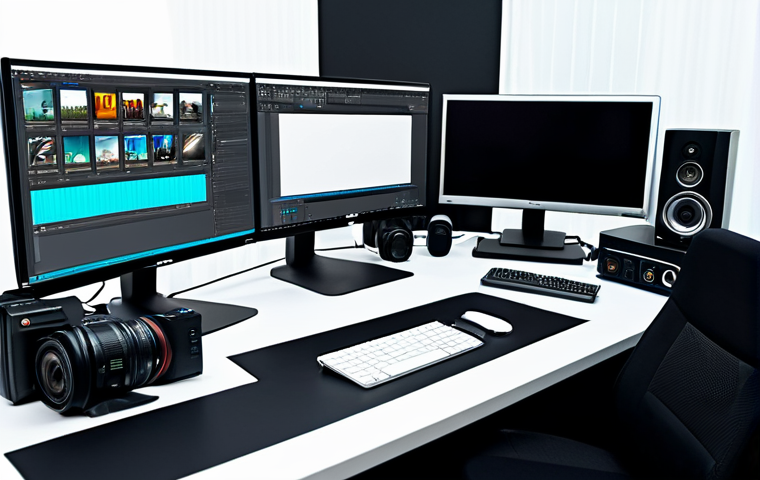
As a media producer, having the right tools can make all the difference in the quality and efficiency of your work. Here’s a breakdown of essential gear and software:* Camera Equipment: This includes a high-quality camera (DSLR or mirrorless), lenses, tripods, lighting equipment, and audio recorders.
* Editing Software: Programs like Adobe Premiere Pro, Final Cut Pro, and DaVinci Resolve are industry standards for video editing. * Graphics and Animation: Adobe After Effects and Cinema 4D are essential for creating motion graphics and visual effects.
* Audio Production: Software like Audacity or Adobe Audition are great for recording and editing audio for podcasts or video voiceovers. Here’s an example of a table showing typical costs associated with freelancing, in USD.
| Expense Category | Average Monthly Cost (USD) | Notes |
|---|---|---|
| Software Subscriptions (Adobe Creative Cloud, etc.) | $50 – $100 | Varies depending on the number of apps needed. |
| Hardware (Camera, Computer) | $100 – $300 | Depreciation and maintenance costs. |
| Marketing and Advertising | $50 – $200 | Website hosting, social media ads, etc. |
| Insurance (Liability, Health) | $150 – $500 | Costs can vary widely. |
| Office Supplies and Utilities | $50 – $100 | Home office expenses. |
| Professional Development | $50 – $200 | Courses, workshops, conferences. |
Embracing Continuous Learning
The media landscape is constantly evolving, so it’s important to stay up-to-date on the latest trends and technologies.
Taking Online Courses
Platforms like Coursera, Udemy, and Skillshare offer a wide range of courses on media production topics.
Attending Workshops and Conferences
Hands-on training and networking opportunities can provide valuable insights and connections.
Experimenting with New Technologies
Don’t be afraid to try new software, equipment, and techniques. The best way to learn is by doing. One thing I did that boosted my business was experimenting with the latest version of DaVinci Resolve.
I learned a lot by simply messing around with the features.
Wrapping Up
Embarking on the journey of a freelance media producer is both exciting and challenging. It requires a blend of technical skills, creative vision, and business acumen. By focusing on your brand story, mastering content creation, and embracing continuous learning, you’ll be well-equipped to thrive in this competitive field. Remember, the key to success lies in your ability to adapt, innovate, and deliver exceptional value to your clients. Keep creating, keep learning, and keep telling great stories.
Handy Tips to Keep in Your Back Pocket
1. Invest in a reliable cloud storage solution like Dropbox or Google Drive to back up your projects and collaborate with clients seamlessly.
2. Always have a detailed project brief before starting any work. This ensures everyone is on the same page and reduces the risk of misunderstandings.
3. Regularly update your website and social media profiles with your latest work to showcase your skills and attract new clients.
4. Don’t be afraid to ask for testimonials from satisfied clients. Positive reviews can significantly boost your credibility and attract more business.
5. Join local freelance groups or online communities to network with other professionals and stay up-to-date on industry trends.
Key Takeaways
To excel as a freelance media producer, focus on crafting a compelling brand story, mastering content creation, and providing exceptional customer service. Price your services strategically, understand the legal landscape, and invest in essential gear and software. Embrace continuous learning to stay ahead of the curve and adapt to the ever-evolving media landscape. Networking and building relationships are also essential for securing new projects and establishing yourself in the industry.
Frequently Asked Questions (FAQ) 📖
Q: How do I price my services as a freelance media producer, especially when starting out?
A: Ah, the million-dollar question (or, you know, the “how do I make enough to pay rent” question). Honestly, pricing is a tightrope walk. I remember undercharging massively on my first few projects, just to get my foot in the door.
Don’t do that long-term! Research average rates in your area for similar services on sites like Glassdoor or Payscale. Consider your experience level, the complexity of the project, and the value you bring to the client.
I started by offering package deals and adjusting from there based on the actual time and resources I invested. Don’t be afraid to negotiate and always, always, always have a clear contract outlining the scope of work and payment terms.
I learned that the hard way after spending weeks on a project only to have a client balk at the final invoice.
Q: What’s the best way to find clients as a freelance media producer?
A: Client acquisition is a constant hustle. Think of it as planting seeds – you need to diversify your approach. Start by leveraging your existing network.
Tell everyone you know what you’re doing. You’d be surprised how many opportunities come from word-of-mouth referrals. Online platforms like LinkedIn, Upwork, and Fiverr can be helpful, but competition is fierce.
Build a strong online presence with a professional website and portfolio showcasing your best work. I’ve found that attending industry events and networking with other creatives has been invaluable.
One random conversation at a film festival led to a long-term client relationship that’s been super beneficial. Finally, don’t underestimate the power of cold emailing or reaching out to companies directly with a tailored proposal.
Q: What are some essential tools or software that every freelance media producer should have?
A: Okay, this is gear-head territory! But seriously, having the right tools can make or break your workflow. Obviously, you’ll need a powerful computer capable of handling editing software.
Adobe Creative Cloud (Premiere Pro, After Effects, Photoshop) is practically an industry standard, but there are also great alternatives like DaVinci Resolve (which has a solid free version).
A good quality microphone is essential for audio work, and a decent camera is a must for video production. Don’t forget about project management software like Asana or Trello to keep track of deadlines and client communication.
Cloud storage like Google Drive or Dropbox is a lifesaver for backing up your work and sharing files with clients. I personally swear by Descript for its transcription and audio editing capabilities – it saves me hours!
📚 References
Wikipedia Encyclopedia
구글 검색 결과
구글 검색 결과
구글 검색 결과
구글 검색 결과
구글 검색 결과