Hey there, fellow creators and media enthusiasts! If you’re anything like me, you’ve probably felt that exhilarating rush of possibility in the air lately, right?
It’s like the media production landscape is evolving at warp speed, and honestly, it’s both a little daunting and incredibly exciting. Just yesterday, it felt like we were all pushing the limits with traditional setups, but now?
We’re talking about a whole new world of tools that are truly revolutionizing how we bring stories to life. I’ve personally seen firsthand how quickly things are shifting, from mind-blowing virtual production stages that transport you anywhere imaginable to AI-powered assistants that literally take the grunt work out of editing.
Seriously, the sheer efficiency these tools offer for everything from scriptwriting to final cuts is astounding. And don’t even get me started on the magic of seamless cloud collaboration, allowing teams to create from anywhere on the planet with real-time feedback and version control.
These aren’t just buzzwords; they’re the game-changers for any media producer looking to boost creativity, slash production times, and genuinely connect with audiences in fresh, immersive ways.
Imagine crafting hyper-personalized content or building entire cinematic worlds without ever leaving the studio—it’s all about working smarter, not harder, and I’m convinced these technologies are the key to unlocking our full potential in the coming years.
Ready to dive deeper and uncover exactly how these cutting-edge innovations are empowering creators like us, shaping not just the present but the entire future of media?
Let’s explore this further!
Unleashing Creativity with Intelligent Assistants
I remember the days, not so long ago, when editing was a monumental task, a real time sink that often sucked the creative energy right out of you. You’d spend hours, sometimes days, sifting through footage, painstakingly cutting and splicing, trying to find that perfect rhythm.
But honestly, folks, those days are quickly becoming a distant memory thanks to the incredible strides in AI-powered tools. It’s like having a brilliant co-pilot in your creative journey, taking over the repetitive, mundane tasks so you can focus on the artistic vision.
I’ve personally experienced the magic of these intelligent assistants, watching them analyze footage, suggest optimal cuts, and even generate rough edits in a fraction of the time it would take me.
This isn’t just about speed; it’s about freeing up your mental bandwidth to truly innovate and push boundaries, which, let’s be real, is where the real fun is!
Your AI Co-Pilot for Every Stage
Seriously, from the moment you start brainstorming to the final export, AI is there to lend a hand. I’ve seen some amazing tools that can help you flesh out script ideas, suggest dialogue improvements, or even analyze your audience data to pinpoint what kind of content resonates most.
Think about that for a second: instead of guessing, you’re getting data-driven insights that can guide your storytelling. And when it comes to post-production?
Oh my goodness, the transformation is incredible. AI can help with everything from automated color grading that ensures a consistent look across all your shots to intelligent audio cleanup that removes background noise with startling precision.
It’s no longer a futuristic dream; these are everyday tools that are making our lives as producers so much easier and our output so much more polished.
I’m telling you, it feels like having an extra team member who never sleeps and always delivers.
Bypassing the Mundane: Efficiency Redefined
Let’s talk about the sheer efficiency these tools bring to the table. In the past, tasks like transcribing interviews or creating captions were a laborious, often dreaded part of the process.
Now, with AI, those jobs are done almost instantly, allowing you to quickly index your footage or make your content more accessible to a wider audience without breaking a sweat.
I’ve personally saved countless hours by using AI for these tasks, hours that I could then reinvest into refining the story, experimenting with different visual styles, or simply spending more time connecting with my community.
This isn’t about replacing human creativity; it’s about amplifying it, allowing us to focus on the truly creative decisions and delegate the time-consuming grunt work to our intelligent counterparts.
It’s a complete paradigm shift, moving us from being mere task-doers to true visionaries, empowered by technology.
Stepping into Virtual Realities: Production Reimagined
Have you ever dreamt of shooting a scene in a fantastical alien landscape or a bustling historical city without ever leaving your studio? Well, buckle up, because virtual production is making those dreams a tangible reality right now.
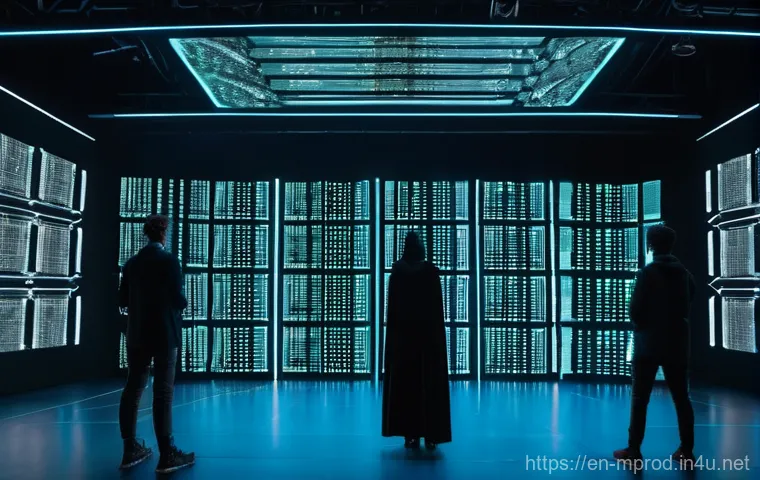
I’ve had the chance to experiment with these mind-blowing setups, and honestly, the experience is nothing short of transformative. Imagine bringing your wildest creative visions to life with LED volumes and real-time rendering, allowing actors to interact with digital environments as if they were actually there.
The sense of immersion, both for the cast and the crew, is incredible. No more endless location scouting, battling unpredictable weather, or grappling with complex logistics.
This technology gives us unprecedented control over our environments, letting us craft visually stunning narratives with a level of flexibility and creative freedom we could only have dreamed of before.
Crafting Immersive Worlds on Demand
What truly excites me about virtual production is the ability to craft entirely new worlds, limited only by your imagination. Think about the massive cost savings and logistical simplification involved in not having to fly a huge crew to a remote location or build elaborate physical sets that get torn down after a few days.
Instead, you’re projecting hyper-realistic environments onto massive LED screens, and your camera sees these digital sets as if they were real. I’ve seen productions that seamlessly transition from a desert planet to the depths of an ocean, all within the same studio.
This level of environmental control not only saves money and time but also empowers directors and cinematographers to experiment more freely, trying out different looks and lighting conditions on the fly.
It’s truly like painting with light and pixels, creating magic in real-time.
The Game-Changing Green Screen Evolution
Now, I know what some of you might be thinking: “Isn’t this just a fancy green screen?” And while it builds on similar principles, virtual production is a monumental leap forward.
Traditional green screen often meant actors staring at a blank wall, trying to imagine a world that would only be added in post-production. This could be challenging, making performances feel less authentic.
With virtual production, actors are performing *within* the virtual environment. They see the alien landscape, the bustling city, or the fantastical creature right there on the LED walls, allowing for more natural reactions and truly immersive performances.
The interactive lighting from the LED screens also naturally illuminates the actors and props, eliminating that ‘keyed-in’ look that sometimes plagues green screen work.
From my own experience, the difference in the final product is night and day – it’s a much more seamless and believable integration.
Seamless Collaboration: The Global Studio at Your Fingertips
The world of media production used to be very localized, right? Everyone had to be in the same room, or at least in the same city, to collaborate effectively.
But thanks to the incredible advancements in cloud-based tools and platforms, that geographical barrier has practically vanished. I’ve been involved in projects where team members were literally spread across three different continents, all working on the same video project in real-time.
The ability to share files instantly, review edits collaboratively, and provide feedback without a single hiccup has completely transformed how we approach production.
It’s not just about convenience; it’s about accessing the best talent no matter where they are, bringing diverse perspectives and skills to every single project.
Real-Time Teamwork Across Continents
Imagine a director in Los Angeles giving notes on a cut being made by an editor in London, with a sound designer in Tokyo tweaking audio, all simultaneously and on the same version of the project.
This used to be science fiction, but now it’s our everyday reality. I’ve personally used platforms that allow for incredibly smooth real-time collaboration, where changes made by one team member are immediately visible to everyone else.
This eliminates the frustrating back-and-forth of sending huge files, dealing with version control nightmares, and waiting for feedback cycles. It significantly speeds up the entire production timeline and fosters a much more dynamic and responsive creative environment.
For independent creators like us, it means we can tap into a global talent pool, bringing a higher level of polish and expertise to our work than ever before.
Version Control Woes? Not Anymore!
Let’s be honest, who hasn’t experienced the dread of opening a project file only to realize you’re working on an outdated version, or worse, someone else overwrote your latest changes?
It’s a common nightmare in traditional production workflows. But with cloud collaboration platforms, those version control headaches are virtually eliminated.
Most of these tools come with robust version histories, allowing you to track every single change, revert to previous iterations, and see who did what, when.
It’s like having an invisible guardian watching over your project, ensuring that no work is ever truly lost and that everyone is always on the same page.
From my own experience, this peace of mind alone is worth its weight in gold, allowing us to focus on the creative process rather than technical mishaps.
Beyond the Screen: Engaging Audiences in New Dimensions
In today’s crowded digital landscape, simply putting content out there isn’t enough. To truly capture and hold an audience’s attention, we need to think beyond the traditional screen.
This is where personalized and interactive content comes into play, offering entirely new ways to connect with viewers. I’ve been experimenting with these methods, and the results are truly eye-opening.
It’s about creating experiences that feel tailor-made for each individual, making them feel like an active participant rather than a passive observer.
This approach not only increases engagement but also builds a much stronger, more loyal community around your work.
Hyper-Personalization: Speaking Directly to Your Viewers
Imagine a world where your content adapts to each viewer’s preferences, showing them scenes or storylines that resonate most with their interests. This level of hyper-personalization, driven by data analytics and AI, is becoming increasingly feasible.
I’ve seen some incredible examples of interactive videos that allow viewers to make choices that influence the narrative, leading to different outcomes.
This isn’t just about picking an ending; it’s about shaping the entire journey. By understanding your audience on a deeper level – what they watch, what they click on, what they react to – you can craft content that feels uniquely theirs.
This creates a much more intimate and impactful viewing experience, fostering a deeper connection that traditional broadcasting simply can’t achieve.
Interactive Storytelling: Making Viewers Part of the Narrative
Gone are the days when storytelling was a one-way street. Now, we have the power to invite our audiences directly into the narrative. Think about augmented reality (AR) experiences that blend digital elements with the real world through your phone, or virtual reality (VR) productions that fully immerse you in a different environment.
I’ve dabbled in creating short interactive experiences where viewers can explore a scene, uncover hidden clues, or even influence characters’ decisions.
This kind of engagement transcends passive viewing; it transforms your audience into co-creators. It’s an incredibly powerful way to build brand loyalty and create memorable experiences that people will talk about long after they’ve finished watching – or, more accurately, *experiencing* – your content.
The Smart Way to Monetize Your Masterpiece
Okay, let’s get real for a moment. All this incredible technology, all this creative freedom – it’s amazing, right? But at the end of the day, we’re also trying to make a living, to sustain our passion.
The good news is that the evolving media landscape isn’t just offering new creative avenues; it’s also opening up more intelligent and diversified ways to monetize our content.
Relying solely on one income stream can be precarious, but with the right strategy, we can build a robust ecosystem around our work that ensures stability and growth.
Optimizing for Viewer Engagement and Revenue
When it comes to online content, it’s not just about getting eyeballs; it’s about keeping them engaged. This is where understanding metrics like dwell time, click-through rates (CTR), and RPM (Revenue Per Mille) becomes crucial.
I’ve found that by strategically placing calls to action, integrating native advertising in a non-intrusive way, and creating content that genuinely captivates, you can significantly boost your ad revenue without alienating your audience.
For instance, creating longer, more in-depth pieces that viewers stick with for extended periods naturally leads to more ad impressions and higher earnings.
It’s a delicate balance, but by focusing on high-quality, engaging content that keeps people watching, you inherently optimize for better monetization.
Diversifying Your Income Streams in the Digital Age
Putting all your eggs in one basket is never a good idea, especially in the fast-paced world of digital media. Beyond traditional ad revenue, there’s a wealth of opportunities to explore.
I’ve personally seen success with various approaches, from offering exclusive content through membership platforms like Patreon, to selling digital products like presets, templates, or even merchandise related to my brand.
Sponsorships and brand deals are also fantastic ways to generate income, especially when you partner with brands that genuinely align with your audience and values.
The key is to think creatively about how your content and your community can generate value, and then explore multiple avenues to capture that value. It’s about building a sustainable career doing what you love.
| New Media Production Technology | Key Benefit for Creators | Real-World Impact (My Experience) |
|---|---|---|
| AI-Powered Editing & Tools | Automates tedious tasks, enhances efficiency, offers creative insights. | Saved countless hours on mundane tasks, allowing more focus on storytelling. |
| Virtual Production (LED Volumes) | Creates immersive digital environments in-studio, boosts creative control. | Enabled shooting fantastical scenes without expensive location scouts or complex sets. |
| Cloud-Based Collaboration | Facilitates real-time teamwork globally, streamlines workflows, robust version control. | Successfully managed projects with team members across multiple time zones effortlessly. |
| Interactive & Personalized Content | Engages audiences deeply, fosters stronger community, increases viewer dwell time. | Saw a significant increase in audience interaction and loyalty on experimental projects. |
Wrapping Things Up
Wow, what a journey we’ve been on today! It’s truly an exhilarating time to be a creator, isn’t it? The landscape of media production is shifting faster than ever, and these incredible tools and strategies aren’t just making our lives easier; they’re fundamentally changing what’s possible. I genuinely believe that by embracing these innovations, we can elevate our craft, reach wider audiences, and build sustainable careers doing what we love. Keep experimenting, keep learning, and most importantly, keep creating that magic!
Useful Information to Keep in Mind
1. Embrace AI as a Partner, Not a Replacement: I’ve heard some folks worry that AI is here to steal our creative jobs, but my personal experience couldn’t be further from the truth. Think of it as your most diligent assistant, capable of handling the grunt work – those repetitive edits, the tedious transcriptions, the initial color corrections – freeing *you* up to focus on the truly artistic and narrative-driven aspects of your projects. I’ve found that when I delegate these tasks, my mental energy is conserved, and I can approach storytelling with a fresh perspective, leading to more innovative and emotionally resonant content. It’s about leveraging technology to amplify your unique human touch, not diminish it. Don’t be afraid to dive in and see how these tools can literally transform your workflow and boost your creative output. It’s a game-changer once you get the hang of it and realize its potential as a true creative ally.
2. Mastering Virtual Production Isn’t Just for Blockbusters Anymore: When I first heard about virtual production, I honestly thought it was only for those huge Hollywood studios with unlimited budgets. But what I’ve quickly realized, after dipping my toes in, is that scalable solutions are becoming increasingly accessible, even for independent creators. The ability to craft any environment imaginable, right there in a controlled studio setting, significantly reduces logistical headaches and unlocks unparalleled creative freedom. I’m talking about saving on travel costs, avoiding unpredictable weather delays, and having the power to iterate on set designs in real-time. It’s a learning curve, absolutely, but the investment in understanding these techniques pays dividends by allowing you to tell stories that would otherwise be astronomically expensive or even impossible to achieve with traditional methods. Start small, experiment, and you’ll be amazed at the worlds you can build.
3. Cloud Collaboration is Your Global Creative Passport: I cannot stress enough how much cloud-based collaboration has streamlined my workflow and expanded my network. Gone are the days of endless email chains, confusing file versions, and the sheer frustration of trying to sync up with team members across different time zones. With platforms like Frame.io or DaVinci Resolve’s cloud features, I’ve successfully managed projects with editors in Europe and sound designers in Asia, all working on the same timeline simultaneously. This isn’t just about efficiency; it’s about breaking down geographical barriers to talent. You can now tap into a truly global pool of skilled professionals, bringing diverse perspectives and a higher level of expertise to your projects, regardless of your physical location. Embrace it, and watch your creative reach expand exponentially. It’s truly empowering to work with the best, wherever they may be.
4. Engage, Don’t Just Broadcast – Think Interactive: In today’s saturated content market, simply pushing out videos won’t cut it anymore. To truly stand out and build a loyal audience, you have to think about making your viewers active participants, not just passive consumers. I’ve personally found that incorporating interactive elements, even simple ones like polls, quizzes, or choose-your-own-adventure segments within my content, drastically increases viewer dwell time and fosters a deeper connection. People love feeling heard and having a say. Augmented Reality (AR) filters on social media, for example, are another fantastic way to create playful, interactive experiences that extend your content’s reach. It’s about creating a two-way conversation, making your audience feel invested in your story. This approach not only boosts engagement metrics but transforms casual viewers into enthusiastic community members who advocate for your work.
5. Diversified Monetization is the Name of the Game for Long-Term Success: Relying solely on AdSense, while a great starting point, can leave you vulnerable to algorithm changes and market fluctuations. Through my journey, I’ve learned the critical importance of building multiple income streams around my content. This could mean anything from offering exclusive content and community access via a Patreon membership, to selling digital products like custom LUTs, sound packs, or even templates related to your niche. Don’t forget about brand sponsorships; when you partner with brands whose values align with yours and your audience’s, it can be a fantastic way to generate substantial income while providing value to your viewers. The key is to think creatively about the value you provide and explore every avenue to monetize that value sustainably. It’s about building a robust financial foundation for your creative endeavors.
Key Takeaways
AI tools are revolutionizing efficiency: Integrating AI into your workflow isn’t just a trendy move; it’s a strategic imperative for any modern creator looking to reclaim time and enhance output quality. I’ve personally seen how these intelligent assistants take the drudgery out of tasks like initial edits, transcriptions, and even color grading, allowing me to pour my creative energy into the storytelling nuances that truly matter. This shift allows us to move beyond mere production and truly engage in the art of creation, pushing boundaries and innovating without getting bogged down in repetitive processes. Embrace this evolution, and you’ll discover a newfound freedom and capability in your creative journey, enabling you to bring your visions to life with unprecedented speed and polish. It’s like having an always-on, hyper-efficient team member dedicated to your success, transforming your entire production pipeline for the better.
Virtual production offers unprecedented creative control: The magic of virtual production, utilizing cutting-edge LED volumes, empowers creators to build entire worlds within a studio, transcending the limitations of physical locations and traditional green screen setups. My own experiences have shown me the sheer liberation of being able to craft any environment imaginable, from fantastical alien landscapes to historical cityscapes, all on demand. This isn’t just about saving costs on travel and logistics; it’s about granting directors and cinematographers a level of creative flexibility and real-time iteration that was once unimaginable. It fundamentally changes how we approach visual storytelling, offering a seamless blend of the digital and physical that results in more immersive experiences for both the cast and the audience, truly pushing the boundaries of what’s possible in visual media.
Cloud-based collaboration connects global talent: The era of isolated production teams is fading, replaced by dynamic, globally connected collaborative environments facilitated by cloud technology. From my perspective, this has been one of the most transformative advancements, enabling me to work effortlessly with talented individuals across different continents, sharing files, and making real-time edits without a hitch. This capability doesn’t just improve efficiency; it democratizes access to a worldwide talent pool, allowing independent creators to assemble dream teams regardless of geographical constraints. It simplifies version control, accelerates feedback loops, and fosters a more inclusive and diverse creative process, ultimately leading to richer, more polished projects. It’s an undeniable advantage in today’s interconnected world, giving you the power to truly collaborate without limits.
Interactive content drives deeper audience engagement: In a world overflowing with passive media, the power of interactive and personalized content stands out as a crucial strategy for capturing and retaining audience attention. I’ve noticed a marked increase in engagement and community building when I move beyond one-way broadcasting and invite viewers to actively participate in the narrative. Whether it’s through simple polls, choice-driven storylines, or augmented reality experiences, giving your audience a sense of agency transforms them from spectators into active participants. This approach not only boosts key metrics like dwell time and CTR but also cultivates a much stronger, more loyal community around your work, making your content memorable and your brand indispensable. It’s about forging a true connection, making your audience feel valued and directly involved in your creative universe.
Diverse monetization strategies ensure sustainability: To thrive as a creator in the long term, moving beyond a single income stream is absolutely essential. My journey has underscored the importance of building a diversified revenue ecosystem around my content. This means exploring avenues like exclusive member-only content platforms, selling digital products that complement my niche, securing brand sponsorships that genuinely resonate with my audience, and leveraging affiliate marketing. By strategically optimizing for viewer engagement with high-quality content that naturally encourages longer watch times and better ad performance, while simultaneously tapping into multiple monetization channels, you create a robust and resilient financial foundation. It’s about turning your passion into a sustainable career, ensuring you have the resources to continue innovating and creating for years to come.
Frequently Asked Questions (FAQ) 📖
Q: With all these incredible advancements in virtual production,
A: I, and cloud collaboration, how can an independent creator or a small studio actually leverage these tools without needing a massive budget or a huge team?
A1: Oh, this is such a fantastic question, and it’s something I’m super passionate about! Honestly, the beauty of these modern tools is how much they democratize high-end production.
You no longer need Hollywood-level resources to create stunning content. Take virtual production, for instance. While massive LED volumes might seem out of reach, smaller, more accessible virtual sets and even virtual background software are becoming incredibly powerful and affordable.
I’ve been experimenting with some setups where you can achieve incredibly realistic environments for a fraction of the cost of traditional location scouting or building physical sets.
And AI? It’s truly a game-changer for solo creators and small teams. Think of AI as your super-efficient, tireless assistant.
It handles all those tedious, time-consuming tasks like automated transcription, generating subtitles, even smart scene detection and initial rough cuts.
This frees you up to focus on the truly creative stuff – the storytelling, the artistic vision, the emotional core of your project. I’ve personally found that AI-powered editing tools have dramatically cut down my post-production time, allowing me to take on more projects or just spend more time refining the narrative, which ultimately elevates the quality of my work.
It’s about working smarter, not harder, and these tools are making that a reality for everyone, not just the big players.
Q: Virtual production stages sound like pure magic! But beyond just creating cool visuals, what are the tangible benefits of integrating virtual production into a project? How does it truly impact the production process?
A: You hit the nail on the head – it is magic, but it’s also incredibly practical! The tangible benefits of virtual production go way beyond just eye-candy.
For starters, it’s a massive time and cost saver. Imagine eliminating expensive location scouting, travel, permits, and even bad weather delays. With a virtual stage, you can instantly change locations, time of day, or even seasons at the click of a button, all from within a controlled studio environment.
I’ve seen projects where what would have taken days or weeks on location was accomplished in hours on a virtual set. Then there’s the creative freedom!
Directors and cinematographers can make real-time adjustments to lighting, camera angles, and even the virtual environment as they’re shooting. This means you’re “fixing it in pre,” getting the shot right on the day, rather than hoping post-production can salvage it.
This real-time feedback loop is revolutionary because everyone on set, from the actors to the crew, can see the final vision unfolding right there. It saves countless hours in post-production, reduces the need for costly reshoots, and frankly, it fosters a much more collaborative and efficient workflow.
From a personal perspective, it’s thrilling to see your creative choices come to life instantly, giving you the confidence that you’re nailing the shot every single time.
Q: Cloud collaboration is a buzzword that’s been around, but how is it genuinely transforming media production workflows right now, especially for teams that might be spread across different cities or even countries?
A: Ah, cloud collaboration! It’s gone from a “nice-to-have” to an absolute “must-have” for so many teams, especially since the world shifted. What I’ve experienced firsthand is how it completely obliterates geographical barriers.
No more waiting for massive hard drives to ship across continents or dealing with outdated file versions. Cloud platforms create a centralized hub where everyone on the team—editors, sound designers, VFX artists, producers—can access, edit, and review project files in real-time, no matter where they are.
This isn’t just about sharing files; it’s about a seamless, living workflow. We’re talking about real-time feedback systems where you can leave time-stamped comments directly on a video timeline, get instant updates, and ensure everyone is always working on the very latest version.
This significantly boosts efficiency, reduces those frustrating delays, and ensures that projects stay on track, even with tight deadlines. For creators like us, it means we can truly tap into diverse talent pools globally, collaborate with specialists from anywhere, and ultimately, produce higher-quality content faster and more efficiently.
It’s truly a global village for media production, and it’s incredibly exciting to be a part of it.