Hey everyone, it’s your favorite blog influencer here, and today we’re diving into something incredibly important for every aspiring and established content creator out there: really leveling up your practical skills as a media producer.

Let’s be honest, the digital world moves at warp speed, and what was cutting-edge last year might already feel a bit behind the curve today. It can sometimes feel like a whirlwind trying to keep up with the latest software, new platforms, and ever-evolving audience expectations, but that’s exactly where the magic happens!
I’ve personally found that staying hungry for new knowledge and constantly refining your craft isn’t just a good idea—it’s absolutely essential for anyone looking to truly thrive in this dynamic industry.
From mastering AI-powered editing tools to understanding the nuances of immersive storytelling or optimizing for the latest short-form video trends, there are always fresh skills to acquire that can significantly elevate your work and open up incredible opportunities.
It’s all about transforming those challenges into exciting new avenues for creativity and success. So, if you’re ready to refine your expertise and make a real impact, we’re going to precisely explore how you can sharpen your media production skills and stay ahead of the game.
Mastering the Visual Storytelling Toolkit
Okay, let’s get real. When it comes to media production, what you see is often what you get, and first impressions are everything. I’ve spent countless hours behind a lens, in editing suites, and meticulously planning shoots, and I can tell you straight up that truly mastering your visual toolkit is a non-negotiable. It’s not just about owning the latest gear; it’s about understanding how to wield it with intention. Think about your favorite films or viral videos – what makes them so captivating? It’s usually a masterful blend of camera work, lighting, and thoughtful editing. I remember one project where I was struggling to convey a sense of urgency. I tried faster cuts, but it still felt flat. Then, I experimented with a tighter depth of field, more dynamic camera movement, and a slightly colder color grade. The transformation was incredible! The scene immediately felt more intense and immediate. It’s these kinds of subtle yet powerful choices that elevate your content from good to absolutely unforgettable. Trust me, investing time in refining these fundamental visual skills will pay dividends in audience engagement and the overall quality of your work. It’s a journey, not a destination, and every shoot is a chance to learn something new about how light hits a subject or how a camera movement can convey emotion.
Beyond Basic Camera Work: Advanced Techniques
Stepping up your camera game means moving past simply pointing and shooting. We’re talking about really understanding cinematic language. For instance, have you truly delved into the nuances of focal length and how different lenses can distort perspective or compress backgrounds? I’ve found that knowing when to reach for a wide-angle versus a telephoto can entirely change the emotional impact of a shot. Then there’s understanding camera movement – it’s not just about smooth tracking shots. It’s about why you’re moving the camera, what emotion you’re trying to evoke, and how it guides the viewer’s eye. Practice those subtle pans, tilts, and even handheld shots that add a raw, documentary feel when appropriate. And don’t forget about shot composition and the rule of thirds, leading lines, or even breaking those rules deliberately to create tension or focus. It’s all about purposeful storytelling through the lens.
The Art of Lighting and Composition
If there’s one area that can instantly make your content look more professional, it’s lighting. Seriously, I’ve seen countless brilliant ideas fall flat because of poor lighting. It’s not about having a huge studio light kit; it’s about understanding light itself. Learn about key light, fill light, and back light – the classic three-point lighting setup is a fantastic starting point, but don’t stop there. Experiment with natural light, learn to shape it, diffuse it, or even block it to create dramatic shadows. A simple reflector or a piece of diffusion can work wonders. I’ve often used just a window and a bounce board to achieve stunning results. Composition goes hand-in-hand with lighting. Where you place your subject, what’s in the background, and how you use depth of field all contribute to the visual narrative. Spend time analyzing great photography and cinematography; you’ll quickly pick up patterns and develop an eye for what works and why.
Unlocking the Power of Sound Design
Alright, let’s talk about something often overlooked but absolutely critical: sound. I know, I know, everyone focuses on the visuals, right? But seriously, truly compelling media isn’t just seen, it’s *felt*, and a huge part of that emotional connection comes from stellar sound design. I’ve been in situations where I thought a video was amazing visually, only to realize the audio was muddy, inconsistent, or just plain boring, and it completely ruined the experience. It’s like serving a gourmet meal on a dirty plate! Good audio can elevate even average visuals, while bad audio can drag down the most stunning cinematography. I’ve personally experimented with various microphones, room treatments, and editing techniques, and the difference is night and day. Once, I had a client’s testimonial video where the visuals were a bit static, but by adding subtle room tone, carefully selected background music that swelled with emotion, and crisp, clear voiceover, the entire piece felt incredibly professional and impactful. Don’t underestimate the power of a well-mixed soundscape to draw your audience deeper into your story and keep them engaged.
More Than Just Background Noise: Audio Storytelling
Audio isn’t just about recording dialogue; it’s a powerful storytelling tool in itself. Think about how a sudden silence can create tension, or how the specific sound of crickets can instantly transport you to a summer night. This is audio storytelling in action. Beyond dialogue, consider ambient sounds, sound effects, and music. How can these elements enhance the mood, convey information, or build suspense without a single word being spoken? I always challenge myself to think, “What would this scene *sound* like if I couldn’t see it?” This perspective forces you to consider every auditory detail. Don’t just slap on some generic royalty-free track. Instead, curate soundscapes that are unique and purposeful, making every rustle, every musical note, and every vocal inflection count towards your narrative.
Professional Audio Recording and Mixing
Getting clean audio starts at the source. This means understanding microphone types – lavaliers for discreet dialogue, shotguns for focused sound, or condensers for rich vocals. Placement is also key; getting the mic close to the source but out of frame is an art form. I’ve learned the hard way that fixing bad audio in post-production is often impossible. So, invest in decent recording gear and learn proper techniques. In post, mixing is where the magic happens. This involves balancing dialogue, music, and sound effects so that each element has its place without overwhelming the others. Learn about equalization (EQ) to clean up frequencies, compression to even out volume, and noise reduction to eliminate unwanted hums or hisses. A well-mixed track should feel seamless and natural, guiding the listener without them even noticing the technical wizardry at play.
Navigating the Digital Distribution Landscape
Let’s be honest, creating amazing content is only half the battle these days. You could produce the next cinematic masterpiece, but if no one sees it, what’s the point? That’s why truly understanding the digital distribution landscape is absolutely paramount for any modern media producer. It’s a wild, ever-changing jungle out there, with new platforms popping up and algorithms constantly evolving. I remember when I first started, I just uploaded my videos to YouTube and hoped for the best. Big mistake! My content was getting lost in the noise. It wasn’t until I started deeply researching each platform’s unique quirks, audience demographics, and best practices that I began to see real traction. It’s not a one-size-fits-all approach; what thrives on TikTok might completely flop on LinkedIn. I’ve personally spent hours analyzing my YouTube analytics, scrolling through TikTok trends, and dissecting Instagram Reels to figure out what resonates where. It’s all about strategic placement and tailoring your content, or at least your presentation of it, for each specific digital environment. This isn’t just about getting views; it’s about finding *your* audience and building a loyal community that sticks around.
Platform Specifics: YouTube, TikTok, and Beyond
Each platform is its own ecosystem, and what works on one might not work on another. YouTube, for example, is often about longer-form, evergreen content with strong SEO potential and a focus on watch time. People go there to learn, to be entertained for extended periods. TikTok, on the other hand, thrives on short, punchy, trend-driven content designed for rapid consumption and virality. Instagram Reels often sit somewhere in between, heavily relying on visual appeal and sound trends. LinkedIn is fantastic for professional content, behind-the-scenes insights, and thought leadership. My personal experience has shown me that you need to adapt. Don’t just repurpose the exact same video across every platform. Instead, consider creating different cuts, intros, or even entirely different pieces of content that play to each platform’s strengths. Understanding these nuances is crucial for maximizing your reach and impact.
SEO for Video and Content Discoverability
Search Engine Optimization isn’t just for written articles; it’s a powerhouse for video content too. How do people find your videos when there are millions uploaded every day? Keywords, titles, descriptions, and tags are your best friends here. I’ve learned to do thorough keyword research *before* I even start filming, making sure I’m creating content around topics people are actually searching for. Your video title should be catchy yet descriptive, incorporating those keywords naturally. The description isn’t just a place to dump links; it’s prime real estate for providing context, adding more relevant keywords, and encouraging engagement. And don’t forget about custom thumbnails! They’re like the cover of a book – they need to grab attention and accurately represent your content. Investing time in SEO is like planting seeds; it helps your content grow and get discovered long after you’ve hit publish.
Building and Engaging Your Community Online
Beyond simply getting views, the real magic happens when you build a community. This means actively engaging with your audience, not just broadcasting to them. Respond to comments, ask questions, run polls, and create opportunities for interaction. I always make an effort to reply to as many comments as I can, even if it’s just a quick “Thanks for watching!” It makes a huge difference in making people feel seen and valued. Consider live streams or Q&A sessions where your audience can directly connect with you. Think about creating a sense of belonging, a shared space where people feel comfortable participating. This isn’t just about being nice; it’s a strategic move. A loyal, engaged community is more likely to share your content, defend you from trolls, and stick around for the long haul, becoming your biggest advocates. It’s a reciprocal relationship that truly fuels long-term success.
Embracing the AI Revolution in Production
Okay, let’s talk about the elephant in the room, or rather, the incredibly powerful tool that’s rapidly changing everything: AI. For a long time, there was this fear that AI would replace creatives, right? But honestly, from where I’m standing, having personally experimented with a ton of AI tools in my workflow, it’s actually a massive opportunity to enhance our creativity and efficiency. I’ve seen my editing times slashed in half for certain tasks, allowing me to focus more on the creative storytelling rather than the repetitive grunt work. It’s not about letting AI do everything for you; it’s about intelligently integrating it to augment your existing skills. For instance, I recently used an AI tool to quickly generate rough cuts of an interview, identifying the best sound bites and cutting out dead air, which saved me days of manual scrubbing. It was genuinely mind-blowing how much time it freed up for me to focus on the narrative arc and visual pacing. The key is to understand *how* to use these tools effectively and discerningly, making them your co-pilot rather than your replacement. This isn’t just a trend; it’s a fundamental shift, and those who embrace it smartly are going to be lightyears ahead.
AI-Powered Editing Tools: A Game Changer
The advancements in AI for video and audio editing are simply astonishing. Tools that can automatically transcribe audio, remove background noise with uncanny precision, color grade footage to match a specific look, or even track objects within a scene with incredible accuracy are becoming commonplace. I’ve personally used AI-driven platforms that can generate captions in seconds, create highlight reels from long-form content, or even intelligently stabilize shaky footage without the typical motion artifacts. It’s like having a team of hyper-efficient assistants at your fingertips. The learning curve for some of these tools is surprisingly shallow, and the return on investment in terms of time saved and quality enhanced is enormous. Instead of spending hours keyframing masks, AI can often do it in minutes, letting you focus on the creative decisions that truly matter.
Generative AI for Content Creation and Ideation
Beyond editing, generative AI is opening up entirely new avenues for content creation itself. We’re seeing tools that can generate stock footage, create unique music tracks based on your mood prompts, or even assist with scriptwriting by brainstorming ideas or refining dialogue. I’ve experimented with AI for generating social media captions, coming up with blog post outlines, and even developing story concepts when I hit a creative block. It’s an amazing springboard for ideation. While I wouldn’t recommend letting AI write your entire script, using it as a collaborative brainstorming partner can be incredibly powerful. It helps you explore angles you might not have considered and can save you from staring at a blank page for hours. The trick is to use it as a starting point, a creative prompt, and then inject your unique human touch and perspective to refine it.
Ethical Considerations and Future Trends
As exciting as AI is, we also need to approach it with a sense of responsibility and ethical awareness. Issues like deepfakes, copyright infringement, and the potential for misinformation are very real concerns. As media producers, it’s our duty to use these powerful tools responsibly and transparently. We need to be upfront when AI has been used in a significant way, especially if it involves generating realistic imagery or voices. Looking ahead, I foresee even more seamless integration of AI into every step of the production pipeline, from pre-visualization to hyper-personalized content delivery. Understanding the underlying technology and staying informed about ethical best practices will be crucial. This isn’t just about using a tool; it’s about being a conscious creator in an evolving digital landscape.
Crafting Compelling Narratives and Scripts
At the heart of every truly memorable piece of media, whether it’s a short film, a documentary, or a YouTube series, there’s a powerful story. And let me tell you, even with all the fancy cameras and cutting-edge software in the world, if your story isn’t compelling, your audience will simply click away. I’ve personally learned this the hard way, thinking my visuals alone would carry a piece. Spoiler alert: they don’t. I’ve spent years honing my ability to not just capture images, but to weave them into a narrative tapestry that grips the viewer from the first second. It’s about understanding human psychology, what makes people tick, what evokes emotion, and how to structure information in a way that keeps them wanting more. It’s a skill that transcends platforms and technologies, and it’s perhaps the most important one you can cultivate as a media producer. I recall working on a travel vlog where the footage was stunning, but the story felt disjointed. By restructuring the narrative, adding a clear beginning, middle, and end, and focusing on a central conflict and resolution (even a small one!), the viewer engagement skyrocketed. It truly hit home that story is king, always.
The Hook: Grabbing Attention from the Start
In today’s fast-paced digital world, you have mere seconds to capture your audience’s attention before they scroll past. That’s why the “hook” is so incredibly vital. It’s not just about a flashy intro; it’s about immediately posing a question, presenting a problem, or showing something so intriguing that viewers *have* to know what happens next. Think about your favorite YouTube creators or documentary filmmakers – they often start with the most dramatic moment, a puzzling statement, or a compelling visual that leaves you wanting answers. I always try to identify the most engaging moment of my content and put it right at the beginning, or tease a big reveal. It’s about setting an expectation and promising value right off the bat. Don’t bury the lead; put your most compelling elements upfront to reel people in.
Structuring Your Story for Maximum Impact
Once you’ve got them hooked, you need to keep them engaged. This comes down to solid story structure. Even if you’re not writing a feature film, basic narrative arcs apply. Think about the classic three-act structure: exposition (setting the scene), rising action (introducing conflict or development), climax (the turning point or main event), falling action (consequences), and resolution (wrapping things up). For a shorter video, this might be scaled down, but the principles remain. Provide information in digestible chunks, build anticipation, and offer satisfying payoffs. I’ve found that even for instructional videos, presenting a problem, exploring solutions, and then demonstrating the best one is far more engaging than just listing steps. It makes the viewer feel like they’re on a journey with you, rather than just passively receiving information.
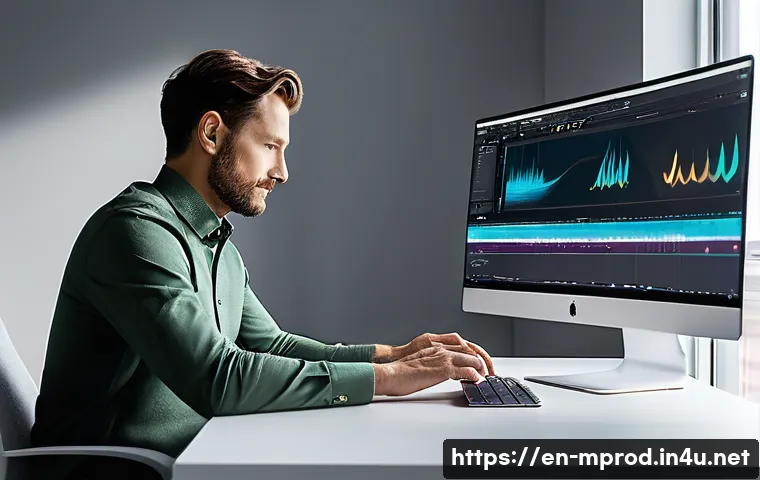
Writing for Different Media Formats
The way you write for a 60-second TikTok is vastly different from how you’d script a 20-minute YouTube documentary or a podcast episode. Each medium has its own rhythm, audience expectation, and limitations. For short-form video, scripts need to be incredibly concise, visually driven, and designed for rapid information delivery. For longer YouTube videos, you can afford more depth, personal anecdotes, and a slightly more conversational tone, but still need to maintain engagement through clear topic progression. Podcasts rely heavily on auditory cues, vivid descriptions, and engaging dialogue. My advice? Write for the medium. Don’t try to cram a detailed narrative into a Reel, and don’t make a lengthy documentary feel like a series of disconnected TikToks. Adapt your writing style, pacing, and informational density to suit the platform and your audience’s consumption habits. This ensures your message lands effectively every time.
Optimizing for Audience Engagement and Growth
Let’s be real here: creating amazing content is just one piece of the puzzle. If you’re truly looking to thrive as a media producer, you absolutely *must* understand your audience and actively work to engage them. It’s not enough to just put your stuff out there and hope people find it; you need a strategy to grow your viewership and keep them coming back for more. I’ve personally spent countless hours poring over analytics, testing different thumbnails, and even tweaking my speaking cadence in videos, all to figure out what truly resonates with my community. It’s like being a detective, constantly looking for clues in the data to understand what’s working and what’s falling flat. I remember one time I launched a series that I thought was brilliant, only to see very low retention rates. Instead of giving up, I dove into the analytics, realized people were dropping off at a specific point, and completely revamped my pacing and introduced cliffhangers. The next videos in the series performed dramatically better! This isn’t about compromising your artistic vision, but rather intelligently refining how you deliver it to maximize its impact. It’s about building a loyal tribe who genuinely loves what you do and eagerly anticipates your next creation.
Analytics Demystified: Understanding Your Viewers
If you’re not regularly checking your platform analytics, you’re flying blind! These dashboards – whether it’s YouTube Studio, TikTok Creator Tools, or Instagram Insights – are goldmines of information. They tell you who your audience is, where they’re coming from, when they’re watching, and most importantly, *how long* they’re watching. Pay close attention to metrics like “average view duration” and “audience retention graphs.” These show you exactly where people are dropping off in your videos, giving you critical insights into what might be boring them or causing them to click away. I personally track my click-through rate (CTR) on thumbnails and titles religiously. A low CTR might mean your title isn’t catchy enough, or your thumbnail isn’t enticing. Use this data to make informed decisions, not just guesses, about your content strategy. It’s a continuous feedback loop that helps you refine and improve.
A/B Testing Your Content for Better Performance
This is where you can really get scientific with your content optimization. A/B testing, or split testing, involves creating two slightly different versions of something – say, two different thumbnails for the same video, or two different titles – and seeing which one performs better. Many platforms now offer built-in A/B testing features, or you can manually test by alternating uploads or running small ad campaigns. I’ve found this incredibly useful for refining elements that directly impact discoverability and initial engagement. For example, I once tested two vastly different thumbnails for a video: one was a highly stylized graphic, and the other was a clear, engaging photo of myself. The photo performed significantly better, showing me that my audience preferred a more personal touch. It’s a powerful way to remove assumptions and base your decisions on actual audience preference.
The Psychology of Viewer Retention
Keeping viewers engaged isn’t just about making good content; it’s about understanding the subtle psychological triggers that keep people watching. Think about pacing: are there any lulls where attention might wander? Can you introduce mini-hooks throughout your content to maintain curiosity? Visual variety is also crucial; avoid long stretches of static shots. Cut frequently, change angles, or add on-screen graphics to keep the eye entertained. Storytelling techniques, like creating an open loop (posing a question early and answering it later), are incredibly effective. I also try to foster a sense of anticipation – maybe hinting at what’s coming in the next video or at the end of the current one. It’s about creating a dynamic experience that constantly offers something new and rewarding, making the viewer feel like their time is being well-spent and they’re part of an unfolding journey with you.
The Business Acumen of a Modern Media Producer
Look, we can all agree that creating awesome content is a passion, right? But if you’re serious about making this a sustainable career, you absolutely *have* to get smart about the business side of things. I’ve seen far too many talented creators burn out because they didn’t understand how to properly monetize their work, protect their assets, or build a professional network. It’s not just about hitting “publish” and hoping for the best; it’s about building a robust, diversified income stream and safeguarding your creative output. When I first started, I thought AdSense was the be-all and end-all. Boy, was I wrong! While it’s a piece of the puzzle, relying solely on it is like putting all your eggs in one very fragile basket. I’ve personally diversified my income through various channels, and it’s given me so much more stability and freedom to pursue projects I truly believe in. This isn’t the glamorous part of being a media producer, but trust me, it’s the bedrock that allows you to keep doing what you love for the long haul. Understanding these business fundamentals is what truly separates the hobbyists from the thriving professionals.
Monetization Strategies Beyond AdSense
While AdSense (or similar programmatic ads on platforms like YouTube) can provide a baseline income, it’s rarely enough to build a substantial living, especially for smaller to mid-sized creators. You need to think bigger! Consider exploring affiliate marketing, where you promote products or services you genuinely believe in and earn a commission on sales. Sponsored content and brand deals are another fantastic avenue, allowing you to partner with companies whose values align with yours. Membership platforms like Patreon or YouTube Memberships allow your most dedicated fans to directly support your work and access exclusive content. Selling your own digital products, like presets, templates, or courses, can also be incredibly lucrative. I’ve found that having multiple income streams not only increases your overall earnings but also provides a safety net if one revenue source fluctuates. Diversification is key to financial stability in this unpredictable industry.
Copyright, Licensing, and Legal Essentials
This might sound boring, but seriously, pay attention here: protecting your work and understanding legal basics is absolutely crucial. Your creative content is your intellectual property, and you need to safeguard it. This means understanding copyright law – what you can and cannot use, and how to protect your own creations from unauthorized use. Learn about licensing agreements if you plan to use stock music, footage, or collaborate with others. For example, knowing the difference between a royalty-free license and a creative commons license can save you from huge headaches down the line. I’ve personally had to deal with copyright claims on my videos, and let me tell you, it’s no fun. A basic understanding of these legal essentials can prevent costly mistakes and give you peace of mind. It’s about being proactive rather than reactive when it comes to your rights and responsibilities.
Building a Sustainable Brand and Network
Your “brand” isn’t just a logo; it’s your reputation, your voice, and the unique value you offer. Consistently delivering high-quality content that aligns with your niche builds trust and recognition. But beyond your immediate audience, networking with other creators, industry professionals, and potential collaborators is invaluable. Attend online summits, join creator communities, and reach out to people whose work you admire. I’ve found that some of my best opportunities and biggest learning experiences have come from connecting with fellow producers. These relationships can lead to collaborations, mentorship, and even client referrals. Building a strong, positive brand and an expansive professional network doesn’t just open doors; it creates new pathways for growth and long-term success that you might never have found on your own.
| Skill Category | Key Areas to Master | Monetization Impact |
|---|---|---|
| Visual Storytelling | Cinematography, Lighting, Editing Software (e.g., Adobe Premiere Pro, DaVinci Resolve) | Higher production value attracts more views, brand deals, and potentially premium client work. |
| Audio Design | Sound Recording, Mixing, Mastering, SFX, Music Selection (e.g., Audacity, Adobe Audition) | Professional audio enhances viewer retention, improves overall content quality, boosts listener engagement. |
| Digital Distribution & SEO | Platform Algorithms, Keyword Research, Metadata Optimization, Community Engagement | Increased discoverability, higher CTR, wider audience reach, and stronger community loyalty. |
| AI Integration | AI Editing Tools, Generative AI for Brainstorming, Ethical AI Use | Improved efficiency, reduced production costs, ability to produce more content faster, access to innovative creative solutions. |
| Narrative & Scripting | Story Structure, Hook Development, Pacing, Writing for Specific Formats | Higher viewer retention, more shares, stronger emotional connection with content, greater virality. |
| Audience Optimization | Analytics Interpretation, A/B Testing, Viewer Psychology, Engagement Strategies | Targeted content, higher engagement rates, improved subscriber/follower growth, optimized ad revenue. |
| Business Acumen | Monetization Strategies (Affiliate, Sponsorships, Memberships), Copyright Law, Networking, Brand Building | Diversified income streams, legal protection, sustainable career growth, increased professional opportunities. |
To Wrap Things Up
Whew, that was quite a journey, wasn’t it? We’ve covered a lot of ground today, from the nitty-gritty of visual and audio mastery to the often-overlooked business savvy and audience engagement strategies that truly make a difference. What I really want you to take away from all this is that media production, at its heart, is about passionate storytelling and smart execution. It’s a blend of art and science, constantly evolving, and incredibly rewarding if you approach it with both creativity and a strategic mindset. Keep learning, keep experimenting, and most importantly, keep creating from the heart. Your unique voice is what truly sets you apart.
Useful Information to Know
1. Always back up your work! Seriously, nothing is worse than losing hours of effort to a corrupted drive. Invest in external hard drives and cloud storage for peace of mind.
2. Don’t compare your beginning to someone else’s middle. Every creator starts somewhere, so focus on your own growth and celebrate small victories along the way.
3. Engage with your audience genuinely. Respond to comments, ask questions, and build a community around your content. They are your biggest advocates.
4. Invest in good audio first. People will often tolerate less-than-perfect video if the audio is crystal clear, but bad audio is a guaranteed way to lose viewers.
5. Take breaks! Creativity thrives on rest. Step away from the screen, go for a walk, and let your ideas simmer. You’ll come back with fresh perspectives.
Key Takeaways
Ultimately, becoming a successful media producer in today’s digital age means embracing a multifaceted approach. It’s not just about wielding a camera or knowing editing software; it’s about understanding the entire ecosystem. From meticulously crafting every frame and sound wave to strategically distributing your content across diverse platforms, every step plays a crucial role in captivating your audience and sustaining your creative journey. Remember, while technical skills are foundational, it’s the compelling narrative and genuine connection you foster with your viewers that will truly make your work resonate and stand the test of time.
Moreover, staying curious and adaptable is your superpower. The digital landscape changes rapidly, with new technologies like AI constantly reshaping our workflows and possibilities. By continuously learning, embracing new tools, and always putting your audience first, you’re not just creating content; you’re building a lasting legacy. Keep perfecting your craft, keep telling your stories, and keep striving for that authentic impact that only you can deliver.
Frequently Asked Questions (FAQ) 📖
Q: With so many new tools and trends popping up constantly, what are the absolute must-learn skills for media producers right now to truly stay competitive and make a real impact?
A: Oh, I totally get this question because it’s something I’ve wrestled with myself! It feels like every Monday there’s a new “game-changer,” right? From my experience, if you want to make a genuine splash and keep your work fresh, you absolutely have to get comfortable with AI-powered tools.
Think about it: AI can now help with everything from generating initial script ideas and optimizing your headlines to incredibly fast video editing, color grading, and even synthesizing voices.
When I first started experimenting with AI for basic video cuts and transcriptions, it felt like I’d unlocked hours in my day! Beyond AI, mastering the art of short-form video production is non-negotiable.
Platforms like TikTok, Instagram Reels, and YouTube Shorts aren’t just for viral dances; they’re powerful avenues for engaging audiences with bite-sized, impactful stories.
It’s a whole different rhythm than traditional long-form, demanding crisp storytelling and captivating visuals right from the first second. Lastly, even if you’re not building full VR experiences, understanding the basics of immersive storytelling and interactive content can give you a massive edge.
Thinking about how your audience can participate rather than just passively consume opens up so many creative possibilities. Trust me, these aren’t just fleeting fads; they’re foundational shifts in how we create and consume media.
Q: It can feel incredibly overwhelming trying to keep up with everything. How can a media producer effectively stay updated with all the new tech and trends without burning out or feeling completely lost?
A: You are preaching to the choir here! I’ve definitely had those moments staring at my screen, feeling like I needed a full-time assistant just to keep track of new software updates.
What I’ve learned is that it’s not about knowing everything, but about having a smart strategy for continuous learning. First, I highly recommend finding a few trusted industry newsletters or podcasts that cut through the noise and deliver curated insights.
For me, these are lifesavers. Secondly, commit to hands-on experimentation. Don’t just read about a new AI tool; download the free trial and play around with it.
Even if it’s just for an hour, that practical experience builds muscle memory and real understanding. I remember feeling so intimidated by a new animation software, but I blocked out 30 minutes each day for a week just to mess around, and suddenly, it clicked!
Thirdly, consider investing in a couple of high-quality online courses or workshops each year specifically focused on emerging technologies. Platforms like Coursera, LinkedIn Learning, or even specialized creator communities often have fantastic deep dives.
The key is to see it not as a chore, but as an exciting part of your creative journey – a way to constantly evolve and surprise yourself with what you can achieve.
Q: Beyond just creating great content with these new skills, how can I leverage them to actually boost my income and build a sustainable career in media production?
A: This is where the rubber meets the road, isn’t it? Because ultimately, we all want our passion to pay the bills! What I’ve discovered is that simply having a skill isn’t enough; you need to strategically position yourself.
First off, really lean into niching down. Instead of being a “general video editor,” could you be the expert in AI-enhanced short-form corporate video, or immersive travel content?
When you specialize, you become invaluable. I’ve seen friends dramatically increase their rates because they became known for a very specific, in-demand skill set.
Secondly, your portfolio is your gold mine. Make sure it prominently showcases projects that utilize these cutting-edge skills. If you’re doing AI video editing, create a reel that highlights exactly what AI helped you achieve.
Don’t just tell prospective clients you can do it; show them! Thirdly, actively network within communities where these new skills are valued. Attend virtual summits, join professional groups, and connect with other creators and potential clients on platforms like LinkedIn.
Offering specialized services that leverage AI or short-form expertise can command higher prices because you’re solving modern problems for businesses and brands.
And don’t forget to think about diversified income streams! Beyond client work, could you create and sell templates, presets, or even mini-courses based on your unique expertise?
These new skills aren’t just about making better videos; they’re about opening up entirely new revenue avenues.