Are you dreaming of a career in media production? Maybe you’ve spent countless hours honing your craft, creating short films, podcasts, or even viral social media content.
Trust me, I know that feeling! The journey to becoming a full-fledged media producer can be incredibly exciting, but let’s be real, the practical exam often feels like the ultimate hurdle.
It’s not just about knowing the technical stuff anymore; it’s about showcasing your adaptability, creativity, and understanding of an ever-evolving landscape.
With AI tools like advanced editing software and virtual production gaining traction, and the constant shift in audience consumption habits from traditional TV to TikTok, staying ahead is crucial.
I’ve personally seen how a well-prepared portfolio and a confident approach can make all the difference. It’s about demonstrating not just what you *can* do, but how you *think* and innovate in this fast-paced industry.
You’ve put in the work, now let’s make sure you ace that practical exam and kickstart the career you deserve. Let’s dive in and explore exactly how to nail it!
Crafting Your Unforgettable Portfolio

You know, when I first started out, I thought a portfolio was just a collection of my best work. Boy, was I wrong! It’s so much more than that – it’s your story, your unique voice, and your potential, all rolled into one dazzling package.
I’ve personally sat on both sides of the table, as an applicant nervously showcasing my reel and later as a judge evaluating aspiring producers. What truly stands out isn’t just technical brilliance; it’s the *intentionality* behind each piece.
Think about it: are you showing them what you *think* they want to see, or are you revealing who you *are* as a creative professional? The best portfolios are curated, not just compiled.
They highlight a diverse skill set, yes, but more importantly, they demonstrate your problem-solving abilities and your understanding of the entire production pipeline.
I once saw a candidate who included a small “behind-the-scenes” video of how they overcame a major technical glitch on a shoot. That person didn’t just get the job; they got a standing ovation from the panel because they showcased resilience and adaptability – qualities that are gold in this industry.
Don’t be afraid to include projects that might not be polished masterpieces but tell a compelling story about your growth or a challenging lesson learned.
This honesty resonates deeply and builds a connection that technical perfection alone can’t achieve.
Beyond the Glitz: Showcasing Process and Problem-Solving
It’s easy to focus on the shiny final product, but trust me, the journey is often more telling than the destination. When assembling your portfolio, don’t just dump a bunch of finished videos or audio files.
Instead, think about the *process*. How did you take an initial concept and bring it to life? What challenges did you encounter?
More importantly, how did you *overcome* them? Did you have a tight budget and get creative with locations? Did a key piece of equipment fail, forcing you to improvise?
These are the narratives that truly impress. I’ve found that including brief project summaries that detail your role, the objectives, and any particularly tricky hurdles you navigated can elevate your portfolio from a simple showcase to a compelling narrative of your production prowess.
Think of it as demonstrating your strategic mind, not just your artistic eye.
The Power of Personal Projects and Passion Pieces
While showcasing client work or academic projects is crucial, never underestimate the impact of personal projects. These are the pieces where your true passion shines through, unburdened by external constraints.
For me, some of my most influential portfolio pieces weren’t paid gigs, but passion projects I poured my heart into during late nights and weekends. They allowed me to experiment, take risks, and truly develop my unique style.
Maybe it’s a short documentary about a local artist, a podcast exploring an niche interest, or even a series of TikToks that went viral because of your innovative storytelling.
These projects scream “initiative” and “creativity” – qualities that hiring managers crave. They show that you’re not just waiting for opportunities; you’re *creating* them.
It tells potential employers that you live and breathe media production, and that’s the kind of dedication that gets noticed.
Mastering the Tech: Beyond Just Knowing the Buttons
Oh, the good old days when knowing how to operate a camera and cut a sequence in Premiere Pro felt like peak tech mastery! Fast forward to today, and the landscape has exploded.
It’s not enough to simply *know* the tools; you need to understand their potential, their limitations, and how they integrate into a larger workflow. I remember feeling totally overwhelmed when AI-powered editing suites started becoming mainstream.
My initial reaction was fear – “Will AI replace me?” But then I realized, it’s not about replacement; it’s about *augmentation*. It’s about leveraging these incredible tools to free up your time for more creative and strategic thinking.
Think about advanced color grading software that can analyze footage and suggest corrections, or virtual production environments that allow you to create stunning visuals without ever leaving a studio.
The practical exam isn’t just testing your ability to press the right buttons; it’s assessing your aptitude for adapting to new technologies and your vision for how they can enhance storytelling.
I recently advised a mentee to spend less time memorizing every single menu option in a software and more time understanding the *principles* behind each function, and how those principles apply across different platforms.
That shift in perspective changed everything for them.
Embracing AI and Automation, Not Fearing It
Let’s be honest, AI is everywhere, and it’s rapidly transforming media production. From automated transcription services for your podcasts to intelligent content recommendation engines, these tools are becoming integral.
The key isn’t to shy away from them; it’s to *embrace* them and understand how they can streamline your workflow and amplify your creative output. For your practical exam, demonstrating an awareness of current AI tools, even if you’re not an expert in all of them, shows you’re forward-thinking.
Can you explain how you’d use an AI-powered scriptwriting assistant for brainstorming, or how machine learning could help analyze audience engagement data for your next project?
This shows you’re not just a technician, but a strategist. I’ve seen producers who once resisted these tools now swear by them for mundane tasks, allowing them to focus on the human elements of storytelling – emotions, pacing, and narrative structure – which AI still can’t replicate.
Understanding Workflow Integration and Software Ecosystems
In today’s interconnected production world, individual software mastery is just one piece of the puzzle. What truly makes a producer valuable is their ability to understand how different tools and platforms interact within a larger workflow.
For instance, how do you take footage shot on a specific camera, ingest it into your editing suite, collaborate with a sound designer using a different DAW, and then export it for multiple distribution channels, from YouTube to broadcast?
It’s about understanding the entire ecosystem. The practical exam might throw a curveball at you, asking you to transfer a project between different editing systems or integrate a third-party plugin you’ve never used.
Your ability to troubleshoot, problem-solve, and maintain file integrity across various platforms is paramount. I’ve personally seen projects grind to a halt because someone only knew their specific siloed tool and couldn’t bridge the gap to the next stage of production.
Flexibility and an understanding of interoperability are non-negotiable skills.
Navigating the Interview: Show Your Vibe, Not Just Your Resume
Okay, you’ve got the portfolio, you’ve proven your technical chops, now comes the part where you sell *you*. I used to dread interviews, feeling like I had to recite my resume word-for-word.
But then I realized something crucial: they already *have* your resume. This is your chance to show them your personality, your passion, and why you’d be a fantastic fit for their team’s vibe.
Think of it less as an interrogation and more as a professional conversation. I always tell my mentees to research the company’s recent projects, their company culture (if you can dig it up!), and even the interviewers themselves.
Knowing a bit about their recent work can spark genuine conversation and show you’ve done your homework. One time, during an interview, I mentioned a recent VR experience their company had produced, and the interviewer’s face lit up.
It wasn’t just flattery; it was a genuine interest that sparked a 15-minute discussion on the future of immersive media. That conversation, I believe, landed me the job more than any bullet point on my CV.
They want to see that spark, that genuine curiosity, and that ability to connect on a human level, because production is, at its core, a collaborative art form.
Communicating Your Vision and Collaborative Spirit
Being a media producer isn’t a solo endeavor. It’s about bringing a team together, guiding a vision, and navigating diverse personalities to create something amazing.
So, during your interview, articulate not just *what* you’ve done, but *how* you collaborate. Can you talk about a time you successfully managed a difficult client or mediated a creative disagreement within a team?
These are the stories that illustrate your leadership potential and your ability to foster a positive working environment. I’ve always found that using “we” instead of “I” when discussing team projects can subtly communicate your collaborative spirit.
They want to know you’re not just a lone wolf but a team player who can inspire and be inspired by others. After all, a great producer isn’t just technically skilled; they’re a conductor, orchestrating talent and resources towards a common goal.
Asking Insightful Questions: Your Turn to Interview Them
This is a game-changer that so many applicants miss. The interview isn’t just about *them* evaluating *you*. It’s also your opportunity to evaluate *them*.
Prepare a few thoughtful, insightful questions that demonstrate your genuine interest in the role, the company, and the industry. Don’t ask questions you could easily find on their website.
Instead, delve deeper. For example, “What’s the biggest creative challenge your team has faced recently, and how did you overcome it?” or “How do you see this role evolving with the rapid changes in audience consumption habits?” These types of questions show you’re engaged, analytical, and thinking strategically about the future.
I remember asking an interviewer about their company’s approach to sustainable production, and it opened up a fascinating dialogue that solidified my respect for their values.
It truly transformed the dynamic, making it feel like a two-way street, and that’s exactly the kind of confident, engaged professional they want to hire.
Thinking on Your Feet: Improvisation is Your Secret Weapon
The world of media production is a beautifully chaotic dance, and sometimes, the music changes without warning. That’s where improvisation comes in – and let me tell you, it’s not just for actors!
I’ve lost count of the times a location fell through last minute, a key piece of equipment decided to stage a protest, or an actor called in sick an hour before shoot time.
In those moments, panic is a luxury you can’t afford. Your practical exam might throw a curveball just to see how you react. Will you freeze, or will you pivot with grace and ingenuity?
I personally learned the hard way on an early documentary shoot when our primary subject suddenly became unavailable. Instead of giving up, we spent the next few hours scrambling, finding a related subject, and completely re-writing our interview questions on the fly.
The final product was completely different from our original vision, but it was still compelling, and the experience taught me that adaptability is perhaps the most crucial skill a producer can possess.
They’re not looking for perfection; they’re looking for resilience and resourcefulness under pressure. It’s about demonstrating that you can think creatively and find solutions when things inevitably go sideways.
Problem-Solving Scenarios: Preparing for the Unexpected
Many practical exams include a “what if” scenario designed to test your quick thinking. They might present you with a hypothetical crisis – a technical malfunction, a budget cut mid-project, or a creative conflict – and ask you to outline your response.
The key here isn’t necessarily to have the “right” answer (sometimes there isn’t one perfect solution), but to demonstrate your logical thought process and ability to remain calm.
I always advise people to break down the problem, identify immediate priorities, and then brainstorm potential solutions, considering both creative and logistical implications.
Can you delegate tasks? Can you find alternative resources? Can you communicate effectively with your team and stakeholders?
Your ability to articulate a clear, step-by-step recovery plan, even if it’s hypothetical, is what they’re looking for. It shows you’re proactive and capable of navigating the unpredictable nature of production.
Leveraging Limited Resources: Creativity Under Constraint
Budget constraints are a perpetual reality in media production, and sometimes, the most innovative solutions arise from having limited resources. A practical exam might intentionally give you a shoestring budget or very few tools to achieve a specific outcome.
This isn’t a trap; it’s an opportunity to showcase your creativity and resourcefulness. Can you use natural light instead of expensive lighting rigs? Can you find free or low-cost locations instead of elaborate sets?
Can you achieve a complex visual effect through clever editing rather than expensive software or CGI? I once produced a short film with almost no budget, relying entirely on favors, borrowed equipment, and sheer willpower.
The experience was incredibly challenging, but it forced me to think outside the box and find ingenious solutions that I wouldn’t have discovered with unlimited funds.
This kind of experience demonstrates ingenuity, which is invaluable.
Decoding the Brief: What They *Really* Want
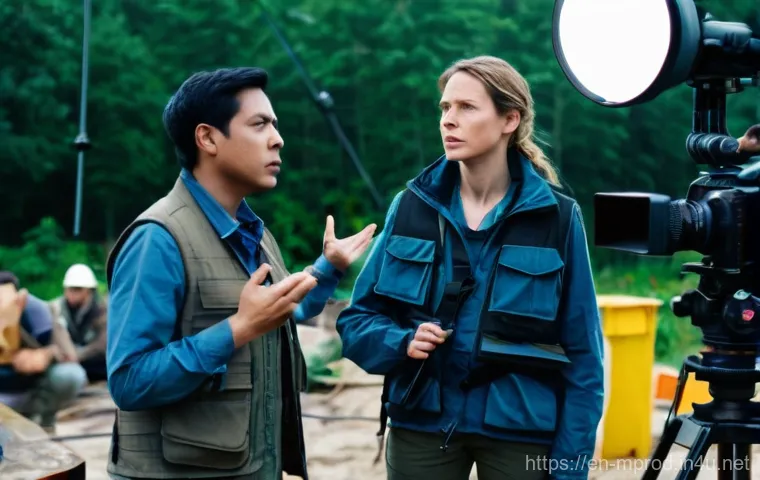
I remember getting a project brief once that seemed straightforward, and I executed it perfectly, or so I thought. When I presented it, the client looked at me blankly and said, “That’s not quite what we envisioned.” My heart sank!
It taught me a vital lesson: simply reading the words on the page isn’t enough. You have to *decode* the brief, dig deeper, and understand the underlying objectives, the unspoken expectations, and the true creative intent.
The practical exam will give you a brief, and it will likely have subtle clues or implicit requirements that only a keen eye and an inquisitive mind will uncover.
Don’t be afraid to ask clarifying questions during the exam setup, if permitted. It shows you’re thorough, thoughtful, and unwilling to proceed without a clear understanding.
This isn’t about being difficult; it’s about ensuring alignment and delivering exactly what’s needed, not just what’s asked for. My rule of thumb now is: if you can summarize the *why* behind the brief as clearly as the *what*, you’re on the right track.
Identifying Implicit Goals and Target Audience
A brief might explicitly state “create a 3-minute promotional video.” But what’s the *implicit* goal? Is it to increase brand awareness, drive sales, educate, or entertain?
And *who* is it for? Is it targeting Gen Z on TikTok, corporate executives on LinkedIn, or families watching traditional TV? Understanding the target audience deeply informs every creative decision, from visual style and music choice to narrative pacing and platform-specific optimization.
I’ve found that failing to consider the audience is one of the most common pitfalls. For your practical exam, show that you’re thinking beyond the surface.
Can you articulate *who* your hypothetical project is for and *why* your creative choices align with that demographic’s consumption habits and preferences?
This demonstrates strategic thinking that goes far beyond basic production skills.
Prioritizing Key Messages and Calls to Action
Every piece of media has a purpose, a core message, and often, a desired action. Whether it’s selling a product, advocating for a cause, or simply leaving an audience with a particular feeling, clarity is paramount.
During a practical exam, the brief will likely hint at these elements. Your task is to extract them, prioritize them, and ensure your production choices effectively communicate them.
What’s the single most important takeaway you want your audience to have? What do you want them to *do* after consuming your content? Is there a clear call to action?
I once judged an exam where a student created a visually stunning piece, but the message was so muddled that no one could tell what it was about or what they were supposed to do.
A beautiful mess is still a mess. Practice simplifying your narrative and ensuring that every element—from visuals to sound—serves to reinforce the primary message and drive the desired action.
Networking Your Way In: It’s Not Just About Talent
I used to think that if I just kept my head down, produced amazing work, and let my talent speak for itself, opportunities would magically appear. While talent is undeniably crucial, I quickly learned that the media industry, perhaps more than any other, thrives on relationships.
Networking isn’t just about collecting business cards; it’s about building genuine connections, offering help, and showing up for others. I’ve landed some of my most exciting projects not through formal applications, but through conversations at industry events, a casual coffee chat with a former colleague, or even a chance encounter at a local film festival.
Your practical exam is a snapshot of your skills, but your network is a testament to your long-term potential and how you engage with the wider community.
It shows you’re invested in the industry beyond your own personal projects. Remember, people hire people they know, like, and trust.
Building Genuine Relationships, Not Just Contacts
The word “networking” can sometimes feel transactional, but it really shouldn’t. Think of it as building a professional community. It’s about being genuinely interested in other people’s work, offering support, and sharing knowledge.
I’ve found that the best way to approach it is to give more than you take. Can you share an interesting article with someone? Can you recommend a talented freelancer for a project?
Can you offer feedback on someone’s reel? These small acts of generosity often come back to you tenfold. It’s not about how many LinkedIn connections you have; it’s about the depth and authenticity of those relationships.
For your practical exam, while you won’t be “networking” during the actual test, the connections you’ve made leading up to it might provide invaluable insights, mentorship, or even references that bolster your overall application.
Leveraging Online Platforms and Industry Events
In today’s digital age, your network extends far beyond in-person events. Platforms like LinkedIn, industry-specific forums, and even professional Facebook groups can be incredible resources for connecting with peers and mentors.
Regularly engaging with content, sharing your insights, and asking thoughtful questions can raise your profile and open doors. Beyond that, attending industry workshops, film festivals, and conferences – even local ones – puts you in the same room as potential collaborators, mentors, and employers.
I once attended a small panel discussion where I nervously approached one of my idols afterward. That five-minute conversation led to an informational interview, which eventually led to an internship.
You never know where these connections will lead, so always be open, prepared, and genuinely curious. Your presence and engagement are as important as your portfolio.
| Exam Preparation Focus Area | Key Considerations | Why It Matters |
|---|---|---|
| Portfolio Curation | Diversity of projects, process documentation, storytelling beyond the final product. | Demonstrates breadth of skills, problem-solving, and unique creative voice. |
| Technical Proficiency | Software mastery, workflow integration, understanding of AI/emerging tech. | Shows adaptability, efficiency, and forward-thinking industry awareness. |
| Brief Interpretation | Identifying implicit goals, target audience, and clear calls to action. | Proves strategic thinking, audience understanding, and effective communication. |
| Improvisation & Problem-Solving | Handling unexpected challenges, resourcefulness under pressure, calm decision-making. | Highlights resilience, adaptability, and ability to navigate production realities. |
| Communication & Collaboration | Articulating vision, teamwork examples, insightful questioning in interviews. | Reveals leadership potential, interpersonal skills, and cultural fit. |
The Mental Game: Staying Calm Under Pressure
Alright, let’s talk about something that often gets overlooked: your mindset. You can have the most brilliant portfolio, flawless technical skills, and a killer network, but if you walk into that practical exam consumed by anxiety, it can all fall apart.
I’ve been there, trust me. My hands would shake, my mind would go blank, and I’d second-guess every decision. It took me years to realize that the practical exam isn’t just testing your skills; it’s testing your ability to perform under pressure, to think clearly when the stakes are high.
And that, my friends, is a mental game. Practicing your technical skills is vital, but so is practicing *calm*. Before my big breaks, I’d visualize myself confidently executing tasks, calmly troubleshooting issues, and clearly articulating my decisions.
It sounds a bit woo-woo, but this mental rehearsal truly helped me manage my nerves and perform at my best. Remember, they’re looking for someone who can handle the inevitable stresses of a fast-paced production environment, not someone who crumbles at the first sign of trouble.
Managing Stress and Harnessing Adrenaline
Stress is a natural response to high-stakes situations, and a practical exam definitely qualifies. The trick isn’t to eliminate stress entirely – a little adrenaline can actually sharpen your focus – but to manage it so it doesn’t overwhelm you.
Before your exam, make sure you get adequate sleep, eat a nutritious meal, and perhaps do some light exercise to burn off nervous energy. During the exam, if you feel panic setting in, take a brief moment.
Close your eyes, take a few deep breaths, and remind yourself of all the preparation you’ve put in. I’ve personally found that stepping away for 30 seconds, even if it’s just to get a glass of water, can completely reset my focus.
This isn’t about being weak; it’s about being strategic with your mental energy and showing that you can maintain composure when it matters most.
Cultivating Confidence Through Preparation
Confidence isn’t something you’re born with; it’s something you *build* through diligent preparation and experience. The more thoroughly you prepare for every aspect of the practical exam – from portfolio curation to technical drills and mock interview questions – the more confident you’ll feel walking in.
It’s like an athlete training for a big competition; they don’t just show up on game day hoping for the best. They’ve put in the hours, refined their techniques, and mentally prepared for every possible scenario.
For you, this means not just knowing *how* to do something, but understanding *why* you’re doing it. The deeper your understanding, the less you’ll rely on rote memorization and the more you’ll trust your instincts.
I always tell aspiring producers that confidence is the ultimate hack – it allows your true abilities to shine through, unclouded by doubt. You’ve put in the work, now trust in that work and let your passion lead the way!
Wrapping Things Up
Whew! We’ve covered a lot today, haven’t we? From curating a portfolio that screams ‘you’ to mastering the ever-evolving tech landscape, acing those nerve-wracking interviews, and even embracing the glorious chaos of improvisation, it’s clear that thriving in media production is a multifaceted journey. Remember, it’s not just about the technical prowess, but the human element – your passion, your resilience, and your genuine connections. Keep learning, keep creating, and most importantly, keep being *you*. The industry needs your unique voice, so go out there and share your magic!
Useful Information to Know
1. Continuous Learning is Your Superpower: The media landscape changes at warp speed. Dedicate time each week to exploring new software updates, industry trends, and emerging platforms. Online courses, webinars, and even YouTube tutorials can keep your skills razor-sharp.
2. Build a “Challenge Log”: Keep a record of every production problem you’ve faced and how you solved it. This isn’t just for your personal growth; these are incredible anecdotes to share in interviews, demonstrating your problem-solving abilities under pressure.
3. Feedback is a Gift: Actively seek feedback on your work, even the projects you’re proudest of. Constructive criticism, though sometimes tough to hear, is invaluable for refining your craft and identifying blind spots you might not notice yourself.
4. Network Authentically: Instead of just thinking about what others can do for you, focus on how you can genuinely connect and offer value. Attend local meetups, engage on professional forums, and offer your help. True connections open more doors than any cold email.
5. Prioritize Your Well-being: The production world can be demanding. Remember to take breaks, maintain hobbies outside of work, and guard against burnout. A well-rested, mentally healthy producer is a creative and efficient producer!
Key Takeaways
Ultimately, becoming a successful media producer isn’t just about technical mastery; it’s about cultivating a holistic skill set that includes adaptability, resilience, and a genuine passion for storytelling. Your portfolio tells your story, your technical aptitude shows your future potential, and your soft skills like communication and problem-solving seal the deal. Embrace continuous learning, build authentic relationships, and always remember the human element behind every frame and sound wave. Trust in your unique vision and the hard work you put in, because that’s what truly sets you apart in this dynamic and exciting industry.
Frequently Asked Questions (FAQ) 📖
Q: What’s the biggest mistake aspiring media producers often make when gearing up for their practical exam in our rapidly evolving industry?
A: Oh, trust me, I’ve seen this happen countless times, and it’s so easy to fall into this trap! The biggest mistake I see aspiring media producers make is fixating solely on their technical prowess, almost to the exclusion of everything else.
They master the latest editing software, they know their camera gear inside and out, but they forget that the practical exam isn’t just a technical test anymore.
It’s about showcasing your adaptability, creativity, and a deep understanding of the industry’s ever-changing landscape. I’ve personally reviewed so many projects where the technical execution was flawless, but the storytelling fell flat, or the candidate didn’t demonstrate how their work connected with a specific audience or platform.
You might be able to operate every button and dial, but if you’re not also showing how you think strategically, how you can innovate, and how you adapt to new trends, you’re missing a huge piece of the puzzle.
It’s a holistic assessment now, folks, and just being a tech whiz isn’t enough to stand out!
Q: How can I effectively showcase my understanding of new technologies like
A: I tools and virtual production, and current audience trends like TikTok, during the practical exam? A2: This is where you can truly shine and show you’re ahead of the curve!
My advice is always to go beyond just mentioning these technologies; you need to demonstrate their thoughtful integration. For AI tools, don’t just use AI to generate your script and call it a day; instead, show how you used AI to enhance a specific part of your production process.
Perhaps you used it for predictive analytics to understand audience engagement for a certain type of content, or to automate a tedious editing task, freeing you up for more creative direction.
You could even explain how AI assisted in generating initial script ideas or composing a unique soundtrack. When it comes to virtual production, don’t just talk about it; incorporate it if you can, even on a smaller scale.
Maybe you designed a virtual set or used virtual elements to create an immersive scene, demonstrating how you can expand creative possibilities without needing massive physical sets.
As for audience trends like TikTok, it’s about understanding consumption habits and tailoring your content. Show that you know how to adapt a narrative for short-form, attention-grabbing content, or how you’d engage a specific demographic on that platform.
It’s about demonstrating that you’re not just creating content, but creating targeted, platform-specific content that resonates with today’s viewers. Always remember to clearly articulate why and how you chose to use these tools and trends to achieve your creative and strategic goals.
Q: Beyond technical skills, what kind of portfolio truly impresses examiners and demonstrates my innovative thinking as a media producer?
A: Okay, this is one of my favorite questions because it gets to the heart of what truly makes a producer stand out! When I’m looking at a portfolio, it’s not just about seeing pretty pictures or slick edits.
What really makes me sit up and take notice is a portfolio that screams “innovative thinker” and “problem solver.” So, beyond showing off your technical skills – which, yes, are still foundational – you need to showcase projects that highlight your unique style, your personal vision, and most importantly, your process.
I always tell my mentees: include projects where you faced a challenge and found a creative solution. Don’t be afraid to include behind-the-scenes footage or written statements explaining your creative decisions, your initial concept, and how you adapted along the way.
Did you have a tiny budget? Show how you still created something impactful. Did you target a niche audience?
Explain your strategy for reaching them. Include personal projects—those passion projects you work on in your spare time—because they demonstrate genuine drive and a unique voice that coursework sometimes can’t capture.
Versatility is also key; show you can tell stories across different genres or platforms. It’s not just about the “what,” but the “why” and the “how” – that’s what truly distinguishes an innovative media producer!