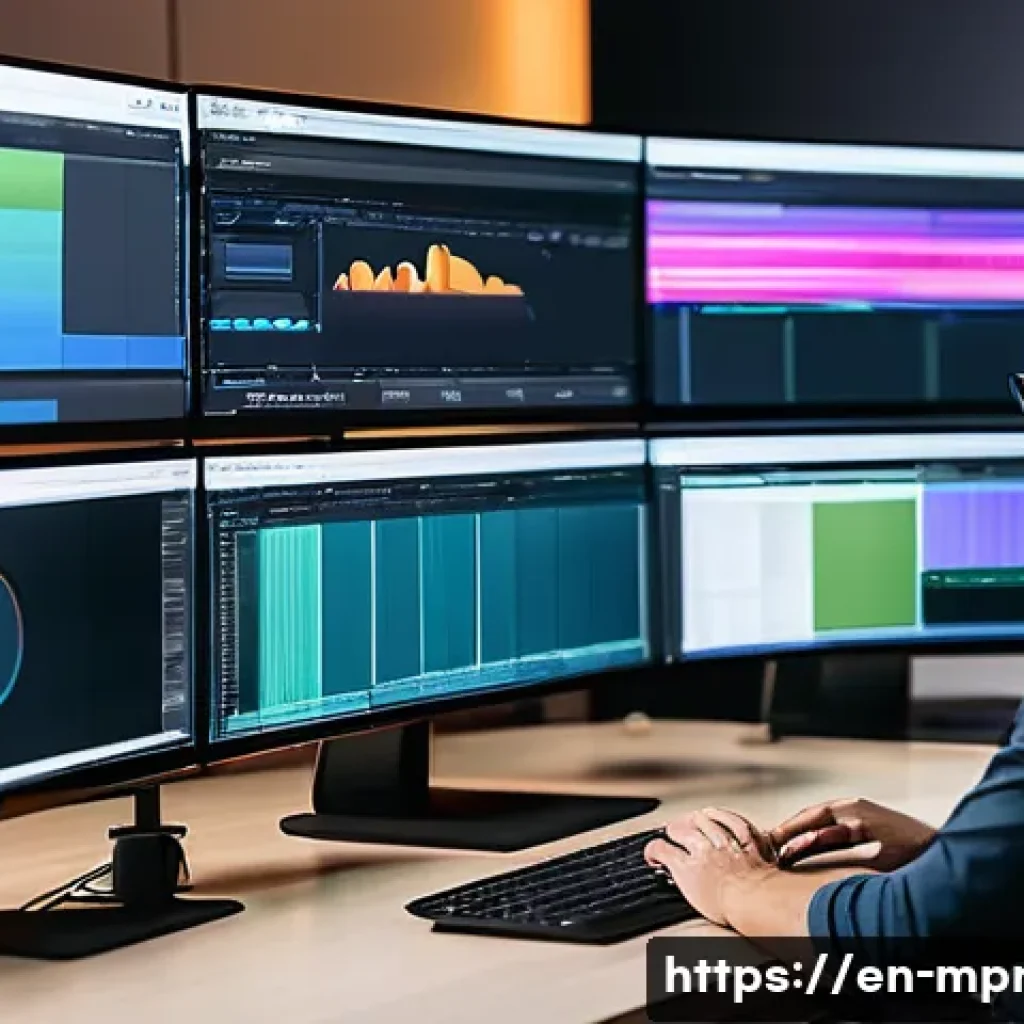
Diving into the world of media production can be both exciting and challenging, especially when gearing up for the Media Producer Certification exam. From mastering industry terminology to understanding the latest digital tools, the journey is filled with valuable learning moments.
Preparing for this exam not only tests your knowledge but also sharpens your practical skills, making you more confident in real-world scenarios. If you’re curious about what to expect, how to study effectively, and insider tips that can boost your chances, you’re in the right place.
Let’s explore the details and get you fully prepared! Read on to discover everything you need to know.
Understanding Core Media Production Concepts
Breaking Down Industry Terminology
Getting comfortable with the jargon used in media production is a game-changer. When I first started studying for the certification, terms like “post-production workflow,” “color grading,” and “transcoding” felt overwhelming.
But once I created flashcards and revisited these terms in real project contexts, they became second nature. Knowing the lingo isn’t just about passing the exam—it’s about communicating effectively on set and with clients.
A quick tip: follow industry blogs or YouTube channels that explain these concepts in everyday language. It really helped me connect the dots between theory and practice.
Key Media Formats and Their Uses
One of the trickier parts was understanding the vast array of media formats and codecs. It’s not just about knowing what MP4 or MOV is, but also when and why to use them.
For example, I learned that while MP4 is versatile and widely accepted, MOV files often provide better quality for editing purposes. Understanding the balance between file size, quality, and compatibility helped me make smarter decisions during practical assignments.
Don’t rush this part—spending time experimenting with different formats on your own system will build confidence that shines through during the exam and real-world work.
Essentials of Project Management in Media Production
Media production isn’t just about creative skills; it’s also about managing time, resources, and teams effectively. I found that studying project management principles like scheduling, budgeting, and risk assessment was crucial.
Using tools like Trello or Asana to simulate project timelines was something I did to get a hands-on feel. It made the exam questions on workflow and team coordination easier to grasp.
Plus, these skills are invaluable once you’re working in the field, where juggling deadlines and client expectations is the norm.
Mastering Digital Tools and Software
Choosing the Right Editing Software
There’s a sea of editing software out there—Adobe Premiere, Final Cut Pro, DaVinci Resolve, and more. I personally dove into Premiere Pro because it’s industry standard and offers a great balance of features and user-friendliness.
Exploring tutorials and completing small editing projects helped me understand the software’s interface and shortcuts, which boosted both my speed and accuracy.
Don’t just rely on theory—spend time hands-on. It’s amazing how much difference actual practice makes when you’re under exam pressure.
Working with Audio and Visual Effects
Audio mixing and visual effects might seem daunting initially. I remember feeling intimidated by the idea of syncing sound perfectly or creating seamless transitions, but breaking it down into smaller tasks made it manageable.
For audio, I practiced using tools like Audacity and Adobe Audition to clean up background noise and balance levels. On the visual side, learning basic keyframing and color correction techniques was a game-changer.
These skills aren’t just exam fodder; they elevate the quality of your projects and impress clients.
Utilizing Cloud and Collaboration Platforms
Today’s media projects often rely on cloud-based tools for collaboration, especially with remote teams. I got familiar with platforms like Frame.io and Google Drive to understand how file sharing, version control, and feedback loops work in real time.
During the exam, questions about collaborative workflows felt less abstract because I had firsthand experience. In practice, knowing these platforms saves time and reduces miscommunication—two things every media producer appreciates.
Effective Study Strategies for Media Certification
Creating a Study Schedule That Works
Balancing work, life, and study can be tricky, so I found that crafting a realistic schedule was key. I broke down topics into weekly chunks and allocated daily review sessions, mixing reading with practical exercises.
Sticking to this routine helped me avoid last-minute cramming and reduced stress. It’s also important to build in breaks to let your brain absorb information.
Consistency beats intensity when it comes to retention.
Leveraging Practice Exams and Mock Projects
Taking practice exams was my favorite part of studying because it highlighted weak areas and built exam-day confidence. I recommend finding tests that mimic the real exam’s format and time constraints.
Additionally, working on mock projects—like creating a short promo video or managing a mini production timeline—reinforced concepts far better than passive reading.
These practical exercises gave me a sense of accomplishment and made the learning process much more engaging.
Joining Study Groups and Forums
Studying alone can get lonely, so connecting with others prepping for the same exam was incredibly helpful. I joined online forums and social media groups where people shared tips, resources, and even encouragement.
Explaining concepts to peers or debating tricky questions deepened my understanding. Plus, hearing real-world experiences from professionals made the material feel relevant and alive, which kept me motivated throughout the process.
Balancing Technical Knowledge with Creative Skills
Developing a Storytelling Mindset
At its heart, media production is storytelling. I found that shifting my focus from purely technical skills to narrative impact made a huge difference.
Whether it was crafting a compelling script or choosing shots that evoke emotion, thinking like a storyteller enhanced my creative decisions. This approach helped me tackle exam questions about audience engagement and content planning with more insight and originality.
Experimenting with Visual Composition and Lighting
Practical experience with framing, lighting, and camera angles enriched my understanding far beyond textbook knowledge. I spent weekends experimenting with natural and artificial lighting setups, noting how mood and clarity changed.
Playing with composition taught me how to guide viewers’ attention and make scenes visually appealing. These hands-on experiments made technical terms come alive and gave me confidence in both the exam and real shoots.

Integrating Feedback into Your Workflow
Learning to accept and apply feedback is crucial in media production. During my prep, I shared projects with mentors and peers, then revised based on their input.
This iterative process sharpened my eye for detail and improved my work quality. The exam includes questions on client communication and revision cycles, so understanding this dynamic from experience gave me a leg up.
Plus, in professional settings, it’s the difference between good and great outcomes.
Time Management and Exam Day Tips
Prioritizing Topics Based on Your Strengths
Not all exam sections are created equal in difficulty or weight. I started by identifying which topics I was strong in and which needed more attention.
Allocating study time accordingly helped me make the most of my preparation. For instance, I spent extra hours on technical workflows since that was my weaker area, while briefly reviewing creative concepts I was more comfortable with.
This strategy minimized stress and optimized my performance.
Effective Note-Taking and Quick Review Techniques
During my study sessions, I kept concise notes and used color coding to highlight key ideas and formulas. Before the exam, quick reviews of these notes were invaluable for refreshing my memory without getting bogged down in details.
Flashcards and mind maps also helped me visualize complex processes. On exam day, having these mental shortcuts made answering questions faster and less stressful.
Staying Calm and Focused Under Pressure
The exam environment can be intimidating, but managing nerves is half the battle. I practiced mindfulness exercises and timed mock tests to simulate pressure situations.
During the actual exam, deep breathing and pacing myself prevented panic. Remembering that it’s okay to skip difficult questions and return later helped maintain momentum.
Confidence built from thorough preparation truly shines when stress hits.
Comparing Media Producer Certifications: What to Expect
Certification Bodies and Their Focus Areas
Different organizations offer media producer certifications, each with unique emphases. Some focus more on technical skills and software proficiency, while others prioritize project management and creative direction.
Understanding these distinctions helped me choose the right path aligned with my career goals. Researching exam content outlines and sample questions from multiple providers broadened my perspective and prepared me for diverse challenges.
Cost, Duration, and Recertification Requirements
Costs vary widely depending on the certifying body and location. Some programs offer self-paced online exams, while others require in-person attendance over several days.
Knowing these logistics upfront was crucial for planning both time and budget. Additionally, many certifications require renewal every few years, often through continuing education or retesting.
Keeping track of these details ensures your credentials remain valid and respected.
Industry Recognition and Career Impact
I found that certain certifications carry more weight in specific sectors, such as broadcast television or digital marketing. Talking to professionals and hiring managers gave me insight into which credentials could open doors or lead to salary increases.
Balancing certification prestige with personal learning goals helped me choose a program that both boosts my resume and genuinely enhances my skill set.
| Certification Provider | Focus Area | Cost Range | Exam Format | Recertification Period |
|---|---|---|---|---|
| Media Production Institute | Technical Skills & Workflow | $300 – $500 | Online, Timed | 3 years |
| Creative Producers Association | Project Management & Creative Direction | $400 – $600 | In-Person, Practical & Written | 5 years |
| Digital Media Certification Board | Software Proficiency & Collaboration | $250 – $450 | Online, Multiple Choice | 3 years |
Wrapping Up
Mastering media production requires both technical knowledge and creative insight. Through hands-on practice, effective study strategies, and understanding industry standards, you can confidently navigate certification exams and real-world projects. Remember, the blend of skills you develop now will shape your success in this dynamic field.
Useful Tips to Keep in Mind
1. Consistency in study beats last-minute cramming—set a realistic schedule and stick to it for better retention and less stress.
2. Practical experience with editing software and project management tools accelerates understanding far beyond textbook learning.
3. Joining study groups or forums connects you with peers, providing support, diverse perspectives, and motivation throughout your journey.
4. Embracing feedback and iterative improvements sharpens your projects and prepares you for client communication in professional settings.
5. Prioritize your weaker areas in preparation but don’t neglect your strengths; balanced focus optimizes exam performance and skill growth.
Key Takeaways
Understanding industry terminology and media formats forms the foundation of your media production skills. Coupling this with proficiency in digital tools and collaborative platforms boosts both your efficiency and creativity. Effective time management and targeted study strategies ensure you’re prepared for certification exams and career demands. Lastly, choosing the right certification aligned with your goals enhances your professional credibility and opens doors in the competitive media landscape.
Frequently Asked Questions (FAQ) 📖
Q: What topics should I focus on when studying for the Media Producer Certification exam?
A: From my experience, the exam covers a broad range of subjects including media production terminology, project management, budgeting, digital tools, and content distribution strategies.
It’s crucial to understand the workflow of media projects from concept to delivery. I found it especially helpful to dive deep into current digital editing software and emerging platforms since practical knowledge in these areas often appears in scenario-based questions.
Don’t overlook the importance of legal and ethical considerations in media production, as those often catch candidates off guard.
Q: How can I effectively prepare to pass the Media Producer Certification exam?
A: The best way to prepare is to combine theory with hands-on practice. I recommend setting up mini-projects to simulate real production environments. This approach solidifies your understanding and builds confidence.
Additionally, using flashcards for key terms and industry jargon helped me retain information better. Joining study groups or online forums can also expose you to diverse questions and real-world problem-solving tips.
Lastly, don’t cram—regular, consistent study sessions over a few weeks work far better than last-minute bursts.
Q: Are there any insider tips or common pitfalls to avoid during the exam?
A: Absolutely! One tip I wish I knew earlier is to carefully read each question and watch out for keywords like “best,” “most efficient,” or “primary.” These often hint at the answer the examiners expect.
Time management is another biggie; it’s easy to get stuck on one difficult question and lose precious minutes. Also, some questions are designed to test your practical judgment rather than just textbook knowledge, so think about what you’d realistically do in a production scenario.
Avoid second-guessing yourself too much—trust your preparation and instincts.