The media production landscape is truly buzzing right now, isn’t it? As a content creator, I’ve been so incredibly excited watching these technological waves transform everything we do, from script to screen.
Gone are the days when traditional methods were the only way to tell a story; now, we’re seeing an incredible surge in tools like AI, virtual production, and extended reality (XR) that are completely reshaping how we create and consume media.
I’ve personally experimented with a few of these, and the possibilities feel endless, honestly. It’s not just about flashy effects either; these innovations are making production faster, more cost-effective, and opening doors for truly personalized, immersive experiences that connect with audiences on a whole new level.
Just imagine crafting narratives where your viewers aren’t just watching, but *participating*! It’s such a thrilling time to be a media producer, but with all this rapid change, staying ahead of the curve is absolutely non-negotiable.
We’re talking about a future where creativity meets cutting-edge tech in ways we could only dream of before. So, what exactly should we be keeping our eyes on to not just survive, but truly thrive?
Let’s dive into the fascinating world of future technologies for media producers and uncover exactly what’s coming next.The media production landscape is truly buzzing right now, isn’t it?
As a content creator, I’ve been so incredibly excited watching these technological waves transform everything we do, from script to screen. Gone are the days when traditional methods were the only way to tell a story; now, we’re seeing an incredible surge in tools like AI, virtual production, and extended reality (XR) that are completely reshaping how we create and consume media.
I’ve personally experimented with a few of these, and the possibilities feel endless, honestly. It’s not just about flashy effects either; these innovations are making production faster, more cost-effective, and opening doors for truly personalized, immersive experiences that connect with audiences on a whole new level.
Just imagine crafting narratives where your viewers aren’t just watching, but *participating*! It’s such a thrilling time to be a media producer, but with all this rapid change, staying ahead of the curve is absolutely non-negotiable.
We’re talking about a future where creativity meets cutting-edge tech in ways we could only dream of before. So, what exactly should we be keeping our eyes on to not just survive, but truly thrive?
Let’s dive into the fascinating world of future technologies for media producers and uncover exactly what’s coming next.
Embracing AI as Your Creative Co-Pilot
Honestly, when I first heard about AI in media production, I pictured robots taking over our jobs. But after diving in, I’ve realized it’s actually an incredible co-pilot, not a replacement!
I’ve seen firsthand how integrating AI tools into my workflow has been an absolute game-changer, especially in areas that used to eat up so much of my time.
Think about it – generating initial script ideas, transcribing interviews, even subtle color grading suggestions. These aren’t tasks I necessarily *love* doing, but they’re essential.
AI is brilliant at handling the more repetitive or data-intensive aspects, freeing up my mental energy to focus on what truly matters: the creative spark, the emotional core of the story, and those unique human touches that only *we* can bring.
It’s about leveraging technology to elevate our artistry, not diminish it. I’ve found that the trick is to view AI as a powerful assistant, one that can accelerate processes and even offer fresh perspectives that might spark an idea I hadn’t considered.
It’s an exciting partnership, allowing us to experiment more, iterate faster, and ultimately, produce higher-quality content without burning ourselves out in the process.
We’re talking about a significant shift in how we approach project development, making what once felt like daunting tasks feel incredibly manageable.
Streamlining Pre-Production Workflows
Before, pre-production often felt like a marathon of administrative tasks. From brainstorming session notes to extensive research and outlining, it could be a real drain.
Now, I frequently use AI-powered tools to quickly generate concept art based on textual descriptions, analyze audience trends to inform storytelling choices, and even assist in script development by identifying common tropes or suggesting alternative dialogue.
It’s not about letting the AI write the entire script, heavens no! It’s more like having an incredibly well-read assistant who can whip up different scenarios or character profiles for me to riff on.
I remember a project where I was struggling with a particular scene transition, and an AI tool provided a few unexpected suggestions that I then refined into something truly unique.
This kind of rapid prototyping and idea generation means we can explore more creative avenues in less time, refining our vision before a single frame is shot.
It allows for a more agile and responsive approach to content creation, which is crucial in today’s fast-paced environment.
Enhancing Post-Production Efficiency
And then there’s post-production! This is where AI truly shines in terms of efficiency. Think about automated video editing for basic cuts, intelligent audio cleanup that removes background noise with startling precision, or even AI-driven color correction that offers a fantastic starting point for further refinement.
I’ve personally experimented with AI tools that can generate rough cuts based on a script or even identify key moments in hours of footage, saving me countless hours of manual review.
It’s not perfect, of course, but it handles the grunt work, allowing me to focus on the nuanced storytelling, the delicate timing, and the artistic choices that truly make a piece sing.
The time saved here isn’t just about finishing faster; it’s about having more bandwidth to experiment with different edits, fine-tune performances, and ensure every detail aligns with my creative vision.
For independent creators, this translates to being able to produce more polished content with fewer resources, leveling the playing field significantly.
Stepping Into the World of Virtual Production
When I first walked onto a virtual production stage, it felt like stepping into the future. Seriously, the sheer scale and immediate feedback you get from seeing your digital environments rendered in real-time on massive LED walls is mind-blowing.
Gone are the days of staring at green screens and trying to *imagine* what the final scene would look like; with virtual production, you’re literally immersed in your digital world *as you’re filming*.
This isn’t just about cool visuals; it fundamentally changes the creative process. Actors can interact with their environment naturally, directors can make immediate adjustments to lighting or set dressing, and the entire crew can see the final composite right there on set.
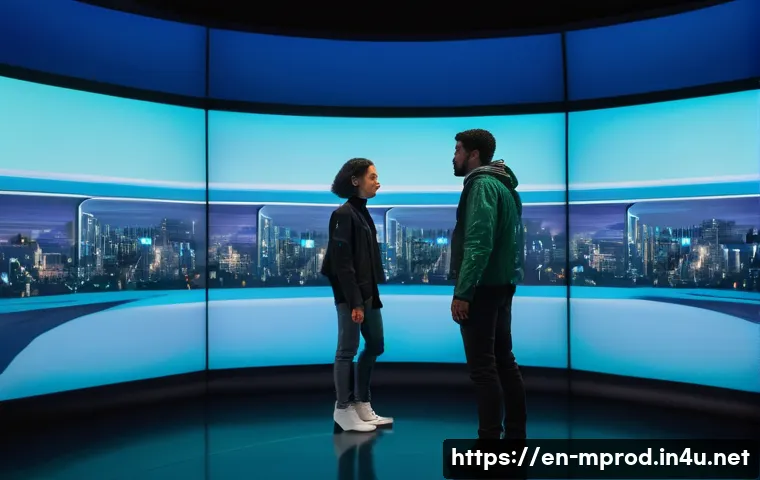
I remember a particularly complex shot where we needed a futuristic cityscape. Instead of months of post-production CGI, we designed the city in advance, loaded it onto the LED volume, and made real-time tweaks to the time of day and weather conditions on the fly.
The sense of control and creative freedom it provides is unparalleled, and it dramatically reduces the amount of work needed in post-production, saving both time and money.
It’s a significant investment to get started, yes, but the returns in terms of creative possibilities and efficiency are undeniable once you’re up and running.
Unlocking New Creative Freedoms
The creative potential of virtual production is truly boundless. Suddenly, budget constraints that once made epic fantasy landscapes or intricate sci-fi worlds impossible are significantly reduced.
You can literally travel anywhere imaginable without ever leaving the studio. I’ve seen teams film scenes set on alien planets, historical battlefields, and even inside microscopic worlds, all within the confines of a single soundstage.
This allows filmmakers to tell stories that were previously unimaginable or prohibitively expensive. It also empowers directors to be more experimental, playing with camera angles and movements that would be impossible with traditional sets.
The ability to make real-time adjustments to the virtual set means you can explore different moods and compositions on the spot, rather than waiting for dailies or expensive reshoots.
It’s like having the ultimate sandbox for storytelling, where your imagination is the only limit. This instant gratification and flexibility really pushes creative boundaries and leads to more innovative visual storytelling.
Navigating the Learning Curve
Now, while virtual production offers incredible advantages, it’s not without its challenges. There’s definitely a learning curve involved, especially for traditional crew members who are used to physical sets.
Understanding game engines like Unreal Engine or Unity, mastering LED wall technology, and coordinating between virtual and physical elements requires a new skill set.
I’ve observed teams spending considerable time training and adapting their workflows to fully leverage the technology. It’s also a significant upfront investment in hardware and software, which can be a barrier for smaller productions.
However, the industry is rapidly developing standardized practices and more accessible tools, making it easier for creators to jump in. My advice to anyone considering it is to start small, experiment with virtual scouting or pre-visualization tools, and collaborate with experienced virtual production specialists.
The investment in learning and technology will pay dividends in the long run as this technology becomes more mainstream and expected.
Crafting Immersive Stories with Extended Reality (XR)
Extended Reality, or XR, is an umbrella term encompassing Virtual Reality (VR), Augmented Reality (AR), and Mixed Reality (MR), and it’s completely revolutionizing how we think about engaging with an audience.
For me, it’s not just about watching a story anymore; it’s about *living* it. I’ve had the chance to experiment with some incredible VR experiences that transport you directly into the narrative, allowing you to explore worlds and interact with characters in ways traditional media simply can’t.
And AR? It overlays digital information onto our real world, creating fascinating opportunities for interactive experiences that blend seamlessly with our everyday lives.
Imagine a documentary where you can point your phone at a historical landmark and see animated figures from the past appear right before your eyes. These technologies aren’t just novelties; they offer profound new ways to connect with audiences on a much deeper, more personal level.
The potential for educational content, interactive brand experiences, and entirely new forms of narrative storytelling is just mind-boggling. It’s a brave new world, and as creators, we have an exciting opportunity to define what immersive storytelling truly means.
Designing Engaging Interactive Experiences
When we talk about XR, “passive viewing” goes out the window. Here, the audience becomes an active participant, influencing the story, exploring environments, and interacting with elements.
This requires a completely different approach to narrative design. Instead of a linear script, we’re often thinking about branching narratives, choice architectures, and how user agency impacts the experience.
I’ve worked on AR projects where users could literally sculpt virtual objects in their living room, or VR experiences that adapted storylines based on the viewer’s gaze and movement.
The design challenge lies in creating compelling interactions that feel intuitive and meaningful, rather than gimmicky. It’s about building worlds that invite exploration and stories that resonate emotionally, even when the user is driving the pace.
This shift demands a blend of traditional storytelling skills with game design principles and an understanding of human-computer interaction, which is a really fascinating space to be in right now.
The Audience as Participants, Not Just Viewers
This transformation of the audience from passive viewers to active participants is perhaps the most exciting aspect of XR for me. It’s not just about adding a few interactive buttons; it’s about fundamentally changing the relationship between creator and consumer.
Imagine a live concert in VR where you can choose your vantage point, interact with other audience members, or even influence the light show. Or an educational piece where you can virtually disassemble a complex machine and learn about its inner workings by manipulating its components.
This level of immersion and personalization creates incredibly sticky experiences, experiences that people talk about and return to. For content creators, this means rethinking how we build narratives and worlds, focusing on agency, exploration, and presence.
It’s a huge opportunity to forge deeper connections with our audiences and create unforgettable moments that transcend traditional screens.
The Power of Personalized Content Delivery
We live in an age where everyone expects content tailored just for them, right? From my own Netflix recommendations to my customized news feed, personalization has become the norm.
As media producers, this isn’t just a trend to observe; it’s a powerful tool we can leverage to connect with our audience more effectively than ever before.
It’s about understanding that one-size-fits-all rarely works anymore. Instead, by using data and smart algorithms, we can deliver content that truly resonates with individual viewers, ensuring higher engagement and a more meaningful experience.
I’ve been experimenting with platforms that allow for dynamic ad insertion based on viewer demographics and even platforms that can subtly alter aspects of a narrative to better suit an individual’s preferences.
It feels like we’re moving towards a future where every viewer gets their own unique version of a story, tailored to their tastes and interests. This kind of targeted approach not only boosts viewer satisfaction but also opens up incredible avenues for monetization, as advertisers are eager to reach highly engaged, specific audiences.
Data-Driven Storytelling
The magic behind personalization is, of course, data. But don’t let that word scare you; it’s not about being creepy or intrusive. It’s about understanding aggregate audience behavior, preferences, and engagement patterns to inform our creative choices.
By analyzing what content performs well with certain demographics, what narrative arcs keep viewers hooked, or even what visual styles generate the most positive responses, we can make more informed decisions during production.
I’ve personally used analytics from previous projects to tweak pacing, character development, and even marketing strategies for new content. This isn’t about letting data *dictate* creativity, but rather using it as a powerful guide.
It allows us to test hypotheses, understand what truly resonates, and continually refine our approach to storytelling, leading to more impactful and successful productions.
It’s about being smart and strategic with our creative output, ensuring our hard work reaches the right eyes and ears.
Reaching Niche Audiences Effectively
One of the most exciting aspects of personalized content delivery is the ability to connect with highly specific, niche audiences that might have been difficult to reach through traditional broadcast methods.
Gone are the days of aiming for the broadest possible demographic. Now, if you have a story that appeals to, say, enthusiasts of obscure 19th-century poetry who also happen to enjoy sci-fi, you can actually find and engage them!
Personalized algorithms and targeted distribution strategies make it possible to push content directly to those who are most likely to appreciate it. This means creators can afford to be more specific and authentic in their storytelling, knowing that their niche will find them.
For independent producers, this is huge. It reduces the need for massive marketing budgets and allows truly unique voices to find their footing and build dedicated communities around their work.
It’s about fostering deeper connections with truly passionate viewers, which in turn leads to incredibly loyal fanbases.
| Technology | Key Benefit for Producers | Typical Investment | Learning Curve |
|---|---|---|---|
| AI Tools | Automates repetitive tasks, enhances creative brainstorming, speeds up post-production | Low to Moderate (Software subscriptions) | Moderate (Adapting workflows) |
| Virtual Production | Real-time visualization, expanded creative freedom, reduced post-production CGI | High (LED volumes, game engines) | High (New skillset for crew) |
| Extended Reality (XR) | Immersive and interactive storytelling, audience participation, new monetization models | Moderate to High (Development platforms, hardware) | Moderate (Game design principles, UI/UX) |
| Personalized Content Delivery | Higher audience engagement, targeted reach, data-driven insights | Moderate (Analytics tools, platform integration) | Low to Moderate (Data interpretation) |
Mastering Real-Time Collaboration Tools
In the fast-paced world of media production, waiting for feedback or files to transfer can feel like an eternity, right? That’s why mastering real-time collaboration tools has become absolutely essential for me and my team.
Whether we’re geographically dispersed or even just working in different rooms, these platforms have completely transformed how we create together. I’m talking about shared editing suites where multiple editors can work on the same timeline simultaneously, virtual whiteboards for brainstorming with team members across continents, or cloud-based asset management systems that ensure everyone is always working with the latest versions.
The days of endless email chains with file attachments are thankfully behind us! I’ve personally seen how seamlessly integrated tools can cut down project timelines dramatically and foster a much more dynamic and responsive creative environment.
It’s not just about convenience; it’s about breaking down communication barriers and allowing creativity to flow unimpeded, regardless of where your team members are located.
This agility is a significant competitive advantage in today’s global media landscape.
Breaking Down Geographic Barriers
The beauty of modern collaboration tools is how effortlessly they dissolve geographic boundaries. My current team, for example, has a writer in London, a motion graphics artist in New York, and an editor in Los Angeles.
Without robust real-time collaboration platforms, coordinating even a simple project would be a nightmare. But now, we can have virtual meetings with shared screens, review edits together in synced playback, and even annotate documents in real-time.
This means we can tap into a global talent pool, finding the absolute best people for each role, rather than being limited by local proximity. It has opened up so many opportunities to work with diverse perspectives and specialized skills that I might not have had access to otherwise.
For independent producers, this is a massive win, allowing them to scale their teams and leverage expertise from anywhere in the world, dramatically increasing their production capabilities.
Fostering Dynamic Creative Teams
Beyond just efficiency, real-time collaboration tools genuinely foster a more dynamic and interactive creative process. When feedback is immediate, and everyone can see the project evolving in real-time, it encourages a continuous dialogue and a sense of shared ownership.
I’ve noticed that this leads to more iterative development, where ideas can be tested and refined much faster. Instead of waiting for a full render or a complete draft, team members can jump in with suggestions as the work progresses, leading to a much more organic and collaborative creative flow.
It moves away from a siloed approach to production and towards a truly integrated team effort. This kind of environment not only improves the quality of the final product but also makes the creative journey far more enjoyable and engaging for everyone involved.
It’s about building a creative synergy that feels truly powerful and keeps everyone motivated.
Monetization Magic in the New Media Frontier
Let’s be real, creativity needs to be sustainable, right? And in this ever-evolving media landscape, the ways we can monetize our content are expanding far beyond traditional advertising.
It’s not just about running pre-roll ads anymore; we’re seeing fascinating shifts into direct-to-consumer models, subscription services, interactive experiences that generate micro-transactions, and even leveraging NFTs for unique digital assets.
As a creator, I’m always looking for innovative ways to ensure my work not only reaches an audience but also generates a fair return, allowing me to continue making the content I’m passionate about.
This means being adaptable and open to exploring different revenue streams, often combining several approaches to create a robust financial ecosystem around my projects.
The key is understanding your audience and finding the monetization model that aligns best with their preferences and the nature of your content. It’s a dynamic and exciting space where creative ingenuity isn’t just about the art, but also about the business model supporting it.
Exploring New Revenue Streams
The beauty of the new media frontier is the sheer diversity of revenue streams available. Beyond traditional ad revenue, I’ve personally seen creators successfully launch Patreon campaigns, build membership platforms offering exclusive content, sell digital merchandise related to their IPs, or even license their content for use in XR experiences.
For example, a short animation I produced found a new life and revenue stream when a VR platform licensed it as an interactive experience. Furthermore, the rise of creator economy platforms and decentralized technologies like blockchain are opening up entirely new possibilities, such as fractional ownership of content or direct fan investment.
It’s about thinking outside the box and recognizing the inherent value in your creative work, then finding novel ways to present and package it for your audience.
This requires a bit of entrepreneurial spirit, but the freedom and potential rewards are immense.
Building a Sustainable Creative Business
Ultimately, all these technological advancements and monetization shifts are about one thing: building a sustainable creative business in the long term.
It’s not just about one-off viral hits; it’s about establishing a consistent output of quality content that resonates with your audience and generates predictable income.
This means meticulously tracking your analytics, understanding your audience’s preferences for subscription tiers versus pay-per-view, and constantly experimenting with new revenue models.
I’ve learned that diversifying your income streams is absolutely crucial, so if one avenue dips, others can support you. It’s also about fostering a loyal community around your work, as dedicated fans are often the most willing to support you directly.
By intelligently combining cutting-edge production techniques with smart business strategies, we can move beyond simply *making* content to truly *thriving* as media producers in this exciting new era.
Navigating the New Soundscape: Spatial Audio and Beyond
You know how sometimes a truly immersive visual can just transport you? Well, I’ve come to realize that sound, especially spatial audio, has an equally powerful, if not sometimes more subtle, ability to completely draw you into a world.
Gone are the days when stereo sound was the peak of audio immersion. Now, with technologies like Dolby Atmos, Apple Spatial Audio, and various ambisonic formats, we’re creating soundscapes that truly wrap around the listener, placing them *inside* the narrative.
I remember mixing a scene where a character was walking through a bustling marketplace, and with spatial audio, you could literally feel the chatter and footsteps moving around you, almost making you instinctively turn your head to follow a sound.
It adds an incredible layer of realism and emotional depth that traditional stereo simply can’t replicate. As media producers, ignoring this shift would be a huge disservice to our audiences, as the expectations for rich, three-dimensional sound experiences are rapidly becoming the norm, especially in VR, AR, and high-end cinematic productions.
Beyond Stereo: A Three-Dimensional Experience
The fundamental difference with spatial audio is that it moves beyond the left-right axis of stereo to incorporate height and depth, creating a truly spherical sound environment.
This means sound elements can be placed precisely in a 3D space relative to the listener, rather than just appearing to come from speakers. For filmmakers and content creators, this opens up incredible storytelling opportunities.
You can use sound to guide a viewer’s attention, enhance the sense of presence in a virtual world, or create subtle cues that deepen the emotional impact of a scene.
I’ve found that carefully designed spatial audio can significantly heighten suspense, joy, or confusion, making the audience feel truly present in the moment.
It’s not just about making things sound “better”; it’s about using sound as a narrative tool to shape perception and create a profoundly immersive experience.
It feels like we’re finally giving sound the respect it deserves as an integral part of world-building.
Tools and Techniques for Immersive Sound
Getting into spatial audio does require a bit of a learning curve, but the tools are becoming increasingly accessible. We’re talking about Digital Audio Workstations (DAWs) that support object-based audio mixing, specialized plugins for rendering spatial soundscapes, and even dedicated hardware for playback and monitoring.
I’ve been experimenting with various workflows, from capturing ambisonic field recordings to designing intricate sound effects that can be precisely positioned in a 3D mix.
It’s a combination of technical know-how and creative sound design. For those just starting out, many video editing suites now offer basic spatial audio capabilities, and there are excellent tutorials available.
My advice would be to start experimenting with how different sound placements affect emotional impact and narrative flow. The investment in understanding and implementing these techniques will truly differentiate your content and provide a much richer, more engaging experience for your audience, making your work stand out in a crowded market.
Wrapping Things Up
As we’ve journeyed through the incredible shifts happening in media production, it’s clear that the future isn’t just coming; it’s already here, shaping how we create, connect, and experience stories. From AI assisting our workflows to the immersive realms of XR and the nuanced magic of spatial audio, these aren’t just buzzwords – they’re powerful tools ready to revolutionize our craft. Embracing them isn’t about letting go of our creative essence, but rather amplifying it, making our narratives more impactful, accessible, and deeply engaging for audiences worldwide. What an exciting time to be a creator, don’t you think?
Good to Know Info
1. Stepping into the world of AI tools for media production can feel a bit overwhelming, but trust me, it’s a game-changer once you get the hang of it. My personal advice is to start small. Don’t try to overhaul your entire workflow at once. Instead, identify one or two repetitive tasks that drain your energy – maybe it’s generating initial script ideas, or perhaps it’s the tedious process of transcribing interviews. There are fantastic AI solutions out there for both. I’ve found that beginning with a free trial or a low-cost subscription to a reputable AI assistant can give you a real feel for its capabilities without a huge commitment. Remember, AI is a co-pilot, not a replacement for your creative genius! It’s there to handle the heavy lifting, giving you more brain space for the truly artistic decisions. Keep an eye on user reviews and look for tools with intuitive interfaces; that alone can save you a ton of frustration. The key is to experiment and discover how these tools can genuinely enhance *your* unique creative process, not just automate it. You’ll be surprised at how quickly you’ll wonder how you ever managed without them, freeing you up to truly focus on the heart of your story.
2. Virtual Production might sound like something only the biggest studios can afford, but honestly, entry points are becoming more accessible every day. While full-blown LED volumes are a significant investment, you don’t need to jump straight into that deep end. Many creators, myself included, are starting with virtual scouting and pre-visualization using game engines like Unreal Engine or Unity on their personal computers. These tools allow you to design and explore your digital sets, block out scenes, and experiment with camera angles long before you even step onto a physical stage. It’s an incredible way to refine your vision and catch potential issues early on, saving both time and money down the line. I’d highly recommend diving into online tutorials and communities dedicated to these game engines; the amount of free knowledge and support available is astounding. Consider collaborating with artists who specialize in 3D environments or real-time rendering. Even small-scale experiments can teach you invaluable lessons and prepare you for larger projects, opening up creative doors you might have thought were firmly shut just a few years ago. The more you play, the more you’ll discover the endless possibilities.
3. When diving into Extended Reality (XR) for storytelling, the biggest mental shift you need to make is moving beyond passive consumption. With VR, AR, and MR, your audience isn’t just watching; they’re participating, and that changes *everything*. My personal approach focuses on user agency: how can I empower the audience to feel like they truly influence the narrative or explore the world on their own terms? Avoid simply porting a linear film experience into VR; that rarely works well. Instead, think about intuitive interactions – perhaps gazing at an object reveals its history, or a subtle gesture allows them to unlock a new part of the story. Pay close attention to UI/UX design, making sure the controls are seamless and don’t pull the user out of the immersive experience. I’ve learned that less is often more when it comes to on-screen prompts; let the environment guide the user naturally. Test, test, and re-test with diverse users to understand how they naturally interact. The goal is to build worlds that invite exploration and stories that resonate emotionally through active engagement, creating truly unforgettable moments that stick with people long after they’ve taken off the headset. It’s a learning process, but a deeply rewarding one.
4. The idea of personalized content can sound a bit intimidating, almost like you’re sacrificing creative freedom for algorithms, but I see it as a powerful way to truly connect with your audience. The secret sauce here is deeply understanding *who* your audience is. It’s not about being creepy or intrusive with data; it’s about recognizing broad patterns in what resonates with different segments. Start by analyzing the analytics from your existing content: which videos get the most watch time from specific age groups? What topics spark the most comments from certain geographic locations? This isn’t about changing your core message but rather tailoring how it’s delivered or framed to maximize impact for various viewers. I’ve personally found success in creating slightly varied intros or thumbnails for the same core piece of content, targeting different interest groups. It allows you to nurture niche communities and ensure your heartfelt work finds the eyes and ears that will truly appreciate it. Remember, in a crowded digital world, personalization helps your content cut through the noise and land directly with those who are most likely to become your loyal advocates and patrons. It’s about smart, strategic distribution, not creative compromise.
5. Let’s talk money, because as much as we love creating, we also need to sustain ourselves, right? Relying solely on AdSense revenue in today’s media landscape is, frankly, putting all your eggs in one basket. My biggest tip for sustainable monetization is diversification. Think beyond just ads. Have you considered setting up a Patreon account for your most dedicated fans, offering them exclusive behind-the-scenes content or early access? What about digital merchandise related to your brand or characters? I’ve seen creators successfully license their music, visual assets, or even their unique storytelling format to other platforms or brands. Exploring direct-to-consumer models, like selling premium versions of your content or offering workshops, can also be incredibly lucrative. The key is to build a strong, engaged community around your work. Your most passionate fans are often the ones most willing to directly support you, whether through subscriptions, donations, or purchasing your products. Always be open to experimenting with new revenue streams and platforms; the digital economy is constantly evolving, and being adaptable is your greatest asset. Your creativity deserves to be rewarded, so think like an entrepreneur as much as an artist!
Key Takeaways
So, what’s the big picture? Media production is in a fascinating era of transformation. We’re moving into a world where AI enhances our capabilities, virtual tools offer limitless creative canvases, and XR allows for deeply immersive storytelling. Personalized content ensures our work truly connects, and smart monetization strategies pave the way for sustainable careers. Embrace these changes, experiment bravely, and remember that at the heart of it all is your unique voice and vision, now more powerful than ever. The future of media is exciting, and you’re a vital part of shaping it!
Frequently Asked Questions (FAQ) 📖
Q: So,
A: I, virtual production, and XR sound amazing, but what’s the real impact on my day-to-day media production workflow? Is it just for big-budget blockbusters, or can I actually use it?
A1: Oh, this is such a fantastic question, and one I hear constantly! Honestly, when I first dipped my toes into these technologies, I thought the same thing—super cool for Hollywood, but what about my indie film or my YouTube series?
What I’ve found, and what truly excites me, is how these tools are actually leveling the playing field. Take AI, for instance. It’s not just about generating wild special effects anymore; it’s quietly transforming tedious tasks.
I’ve personally used AI-powered tools for everything from generating initial script ideas and automatically transcribing interviews (which saves hours, trust me!) to intelligent color grading and even optimizing content for different platforms.
Think about how much time you spend on repetitive editing, quality control, or even just sorting through assets. AI can shoulder a lot of that, freeing you up to focus on the truly creative stuff that only a human can do.
And virtual production? It’s becoming incredibly accessible. Imagine shooting a scene set in a bustling metropolis or on an alien planet, all from the comfort of a studio, reacting to real-time visuals.
I’ve seen smaller studios leverage LED volumes to create breathtaking environments that would have cost millions just a few years ago. It’s not just about saving money; it’s about having unprecedented creative control and flexibility, allowing you to iterate on set and achieve truly magical shots without endless reshoots or expensive location permits.
It’s a game-changer for everyone, not just the giants!
Q: With all these new tools, how do I ensure my content stands out and truly connects with audiences? It feels like everyone’s doing something innovative now!
A: You’ve hit on the core challenge, haven’t you? In this rapidly evolving landscape, simply using the tech isn’t enough; it’s about how you weave it into your storytelling to create something genuinely unforgettable.
What I’ve learned from my own experiments is that it always comes back to the audience experience. We’re moving beyond passive viewing; people crave immersion and personalization.
Extended Reality (XR)—which includes VR, AR, and mixed reality—is absolutely brilliant for this. Imagine creating an interactive documentary where viewers can virtually step into the historical events you’re describing, or an AR filter for your new series that lets fans bring characters into their own living rooms.
It’s about crafting narratives where your audience isn’t just watching, but participating in a way that feels unique to them. When you give them that sense of agency, that personal connection, they don’t just consume your content; they become part of its story.
This deeper engagement naturally leads to longer watch times and a much stronger emotional impact. Plus, when people feel that connection, they’re far more likely to share their experience, boosting your reach organically.
It’s about designing experiences that resonate, making them feel like an integral part of the world you’ve created, rather than just observers.
Q: These technologies sound like they require a massive upfront investment and a steep learning curve. How can an independent producer or a small team even begin to incorporate them without feeling completely overwhelmed or draining their budget?
A: I totally get this concern—it’s super valid! When I first started looking into these tools, I worried about the same thing. But here’s the good news: you absolutely don’t need a Hollywood budget or a dedicated tech team to get started.
The barrier to entry for many of these incredible technologies is shrinking rapidly. My best advice? Start small and experiment!
You can begin with free or low-cost AI tools for tasks like script analysis or generating quick visual placeholders. There are also tons of accessible game engines, like Unity or Unreal Engine, that offer powerful virtual production capabilities and have massive communities and free tutorials.
I’ve personally seen independent creators use these engines to prototype entire virtual sets before ever stepping foot into a physical studio. For XR, think about leveraging existing platforms; creating an engaging AR experience on Instagram or Snapchat, for instance, is far more approachable than building a standalone VR app from scratch.
The key is to pick one area that aligns with your immediate production needs or creative vision, dedicate a little time each week to learning, and just start playing around.
The learning curve isn’t as steep as it seems when you break it down, and the communities around these tools are incredibly supportive. Remember, innovation often comes from creative constraint, and you’d be amazed at what you can achieve with clever thinking and a willingness to explore!