Transform Your Vision: Practical Media Producer Courses for Real-World Success

webmaster

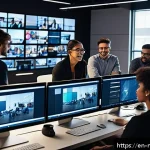
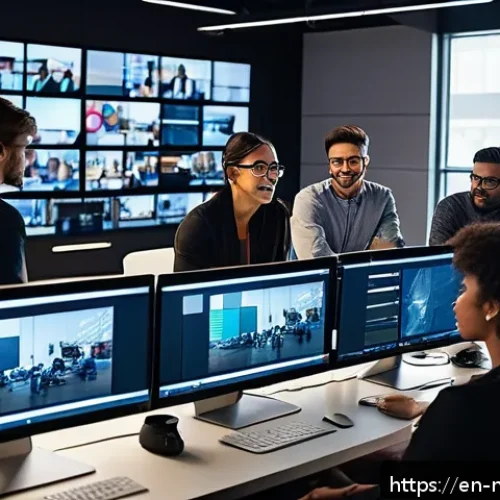
미디어 프로듀서 실무 강의 추천 - **Prompt:** A dynamic, wide shot of a diverse team of young media professionals (ages 20s-30s), casu...

Ever feel like the world of media production is evolving at warp speed? One minute you’re mastering traditional editing, the next it’s all about AI-driven tools, virtual reality experiences, and short-form content dominating every feed.

I’ve been immersed in this incredible industry for years, and honestly, staying ahead of the curve feels like a constant sprint. That’s why I’m always on the lookout for truly impactful, practical media producer courses—not just for myself, but because I consistently hear from so many of you feeling overwhelmed by the rapid changes.

From what I’ve personally observed, investing in the right education isn’t just about gaining new skills; it’s about unlocking incredible career opportunities in this dynamic landscape, whether you’re aiming for a major studio gig, building your own independent content empire, or launching the next big thing in immersive storytelling.

The demand for producers who can master both the creative and technical aspects of modern media has never been higher, and having that cutting-edge expertise can truly set you apart.

We’re talking about mastering everything from optimizing content for global audiences to navigating the complexities of digital distribution and monetization strategies.

It’s a game-changer! Let’s dive deeper below and uncover the courses that will equip you to not just keep up, but to truly lead the charge.

Navigating the Digital Tides: Why Modern Media Skills are Non-Negotiable

미디어 프로듀서 실무 강의 추천 - **Prompt:** A dynamic, wide shot of a diverse team of young media professionals (ages 20s-30s), casu...

Honestly, it feels like just yesterday we were all scrambling to understand DSLR video, and now we’re knee-deep in AI content generation, metaverse experiences, and the sheer dominance of platforms like TikTok and YouTube. It’s wild! I’ve been right there with you, feeling that constant pressure to adapt, to learn, and to frankly, *keep up*. What I’ve personally discovered is that the traditional skill sets, while still foundational, just aren’t enough anymore. You need to be agile, tech-savvy, and creatively fearless. Think about it: a media producer today isn’t just someone who directs a shoot; they’re often a strategist, a digital marketer, a data analyst, and sometimes, even a community manager, all rolled into one! This isn’t just about adding new tools to your belt; it’s about a complete mindset shift. The demand for content is insatiable, and the audiences are everywhere, but they’re also discerning. They expect high quality, relevant, and often interactive experiences. So, if you’re not constantly evolving your skillset, you risk becoming obsolete in an industry that moves at the speed of light. This is why investing in advanced training isn’t a luxury; it’s an absolute necessity for anyone serious about carving out a successful career.

The Shift from Traditional to Transmedia Production

Remember when producing meant a film crew, a sound stage, and a fixed distribution channel? Those days feel like a distant memory, don’t they? Now, it’s all about transmedia storytelling, where a single narrative can unfold across various platforms, each contributing a unique piece to the overall experience. I’ve seen projects start as a short social media video, then expand into an interactive web series, and eventually even a VR game. This kind of holistic approach requires producers who understand not just individual platforms, but how they all interconnect and complement each other. It’s about creating a universe, not just a single piece of content. This shift requires a whole new set of skills, from understanding audience engagement across different digital touchpoints to managing complex multi-platform content calendars. If you’re not thinking in terms of an ecosystem, you’re missing out on massive opportunities for reach and impact.

Embracing AI and Automation in Production Workflows

Okay, let’s be real: AI used to sound like something out of a sci-fi movie, but now it’s an integral part of many production pipelines. I’ve personally experimented with AI tools for everything from automated video editing and transcription to generating initial script ideas and even optimizing content for SEO. It’s not about replacing human creativity; it’s about augmenting it and streamlining tedious tasks. Imagine cutting down hours of repetitive editing or finding the perfect stock footage in seconds, all thanks to smart algorithms. Producers who can leverage these tools effectively are not only more efficient but also more competitive. Learning how to integrate AI into your workflow, understanding its limitations, and critically evaluating its outputs is a game-changer. It frees up your time to focus on the truly creative, strategic, and human elements of storytelling, which, let’s face it, is where the magic really happens.

Cracking the Code: The Power of Storytelling in a Multi-Platform World

At its core, media production has always been about storytelling, right? But the way we tell those stories, and where we tell them, has utterly transformed. It’s no longer just about a compelling script; it’s about crafting narratives that resonate deeply, regardless of whether they’re consumed on a phone screen, a VR headset, or a massive IMAX display. I’ve noticed that the most successful content creators today are master storytellers who understand the nuances of each platform. They know how to hook an audience in the first three seconds on TikTok, how to build suspense over a 30-minute YouTube documentary, and how to create immersive worlds in VR. It’s a delicate dance of adapting your narrative without losing its emotional core. For me, the biggest takeaway has been that while the tools change, the human desire for connection through stories remains constant. The trick is knowing how to use those ever-evolving tools to forge that connection effectively.

Tailoring Narratives for Diverse Digital Audiences

One of the biggest lessons I’ve learned, often the hard way, is that what works for a Netflix series might completely flop on Instagram. Each platform has its own language, its own rhythm, and its own audience expectations. You wouldn’t pitch a complex, slow-burn drama to a Vine user (remember Vine?!), and similarly, rapid-fire cuts and trendy music might not suit a long-form investigative piece. It’s about understanding your audience and the platform they inhabit. This means diving deep into analytics, listening to community feedback, and frankly, just spending time on these platforms to truly get a feel for them. A truly skilled producer can take a central story idea and creatively re-imagine it for a Snapchat story, a podcast episode, an interactive web experience, and a traditional film, ensuring each version maximizes its impact on its respective audience. This level of adaptability is what truly sets a modern media producer apart.

Mastering Visual and Audio Storytelling Across Formats

With the explosion of visual content, from ultra-high-definition video to intricate motion graphics, and the resurgence of audio through podcasts and spatial sound, mastering both these elements is more crucial than ever. I’ve often seen producers excel in one area but struggle in another, which can limit a project’s potential. A great course will teach you not just the technical aspects of shooting and editing, but also the art of using visuals to convey emotion without dialogue, or how to build tension purely through sound design. Think about the difference a perfectly placed sound effect or a subtly shifting color palette can make. It’s these finer details that elevate content from good to unforgettable. And in a world saturated with media, ‘unforgettable’ is what we’re all striving for. Learning to wield both visual and audio tools with precision, and understanding their combined power, is a skillset that will serve you incredibly well across any project.

Advertisement

Beyond the Camera: Mastering the Business of Media Production

Alright, let’s get real about something that often gets overlooked in the glitz and glamour of creative production: the business side. Because let’s face it, you can have the most brilliant idea and the most stunning visuals, but if you don’t understand the business mechanics, your project might never see the light of day, or worse, it might struggle to find its audience and generate revenue. I’ve personally navigated the tricky waters of budgeting, fundraising, and rights management, and let me tell you, it can be a minefield! This isn’t just about crunching numbers; it’s about strategic thinking, understanding market trends, and building sustainable models for your creative endeavors. A truly impactful media producer isn’t just a creative visionary; they’re also a shrewd business operator, constantly weighing artistic integrity against commercial viability. It’s a balance, and finding that sweet spot is key to longevity in this industry.

Navigating Digital Distribution and Monetization Strategies

The days of relying solely on traditional broadcast or cinema distribution are long gone. Now, we’re talking about a dizzying array of platforms: YouTube, Vimeo, Twitch, Patreon, various SVOD/AVOD services, and even direct-to-consumer models. Deciding where and how to distribute your content, and more importantly, how to make money from it, is a complex strategic puzzle. Do you go for ad revenue? Subscription models? Brand partnerships? A hybrid approach? I’ve seen independent creators build entire careers by smartly leveraging platforms like Patreon, while others thrive on YouTube ad revenue and sponsorships. Understanding the intricacies of each model, from AdSense CPCs to affiliate marketing, is vital. It’s not just about getting eyeballs; it’s about converting those eyeballs into sustainable income streams. This requires producers to be savvy negotiators, data-driven decision-makers, and always on the lookout for emerging monetization opportunities.

Budgeting, Legalities, and Project Management for Producers

Let’s talk brass tacks. Every single project, from a short web series to a feature film, lives and dies by its budget and its project management. I’ve personally seen incredibly promising projects derail because of poor budgeting or ineffective scheduling. And then there are the legalities – oh, the legalities! Contracts, intellectual property, clearances, talent agreements… it’s enough to make your head spin. A good producer isn’t just a creative leader; they’re also a meticulous project manager and a vigilant legal guardian for their project. Learning how to create realistic budgets, manage timelines effectively, and navigate complex legal frameworks isn’t glamorous, but it is absolutely essential. These are the nuts and bolts that hold everything together, ensuring your creative vision can actually be realized without financial ruin or legal headaches. Trust me, solid organizational skills and a grasp of legal essentials will save you countless sleepless nights.

The Immersive Frontier: Exploring VR, AR, and Interactive Experiences

If there’s one area that consistently blows my mind and feels like we’re living in a sci-fi future, it’s the immersive space. Virtual Reality (VR), Augmented Reality (AR), and truly interactive experiences are no longer niche experiments; they’re rapidly becoming mainstream. I mean, think about it: from VR gaming and virtual concerts to AR filters on Instagram and interactive documentaries, the possibilities are just endless. I’ve had the chance to experiment with some incredible tools and platforms in this realm, and what I’ve found is that it demands a totally different way of thinking about narrative and audience engagement. It’s not just about watching a story; it’s about being *inside* it, influencing it, and becoming a part of it. Producers who are ready to dive into this immersive frontier are positioning themselves at the cutting edge of media innovation, ready to shape the next generation of storytelling. This isn’t just a trend; it’s a fundamental shift in how we experience media.

Crafting Narratives for Spatial and Interactive Environments

Storytelling in VR and AR is a whole new ballgame. You can’t just port a linear film script into a 360-degree environment and expect it to work. It requires a spatial narrative approach, where the audience has agency, can explore, and sometimes even directly influence the story’s progression. I’ve personally found that designing for these experiences means thinking in terms of “worlds” rather than “scenes,” and “journeys” rather than “plots.” How do you guide a user’s attention in a 360-degree space? How do you ensure they don’t miss crucial plot points while also giving them freedom to explore? These are fascinating challenges that require a blend of creative vision and technical understanding of game design principles and user experience (UX). Courses in this area are invaluable for anyone looking to truly innovate in the media landscape, pushing the boundaries of what a “story” can be.

Tools and Technologies for Immersive Media Production

Beyond the conceptual challenges, there’s a whole new toolkit to master for immersive media. We’re talking about game engines like Unity and Unreal Engine, specialized 360-degree cameras, photogrammetry for creating realistic 3D models from photos, and various XR (extended reality) development kits. It can feel daunting at first, but honestly, once you start getting your hands dirty, it’s incredibly exhilarating. I’ve spent hours tinkering with these tools, and each time, I learn something new that opens up even more creative avenues. Learning how to navigate these software platforms, understand their capabilities, and integrate them into a production pipeline is absolutely crucial. You don’t necessarily need to be a coding wizard, but a strong grasp of the technical possibilities and limitations will empower you to collaborate effectively with developers and bring truly groundbreaking immersive experiences to life. This is where innovation truly takes flight.

Advertisement

Building Your Empire: Independent Production and Monetization Strategies

For so many of us, the dream isn’t just to work for a big studio; it’s to create our *own* stuff, to be truly independent, and to build a brand around our unique voice. And let me tell you, that dream is more attainable now than ever before, thanks to accessible technology and diverse distribution platforms. I’ve seen countless independent creators, from YouTubers to podcasters to indie filmmakers, build incredibly successful careers by carving out their own niches. It’s exhilarating to have that level of creative control, but it also means wearing many hats – you’re the producer, the marketer, the business developer, and often, the talent! This path demands not just creativity, but also a strong entrepreneurial spirit and a solid understanding of how to sustain yourself financially. It’s about building a loyal audience, understanding your value proposition, and constantly innovating to keep your community engaged and growing. It’s a challenging but incredibly rewarding journey.

Leveraging Social Media and Community Building

In today’s media landscape, your audience isn’t just a passive consumer; they’re a community. And building and nurturing that community through social media is paramount for independent producers. It’s not just about posting content; it’s about engaging, listening, and creating a genuine connection. I’ve personally found that platforms like Instagram, Twitter, and even Discord can be incredibly powerful for fostering a loyal following. It’s where you get direct feedback, share behind-the-scenes glimpses, and truly build relationships with the people who support your work. Understanding social media analytics, developing a consistent brand voice, and strategically using different platforms to amplify your message are crucial skills. Your community is your biggest asset, your early adopters, and often, your most passionate advocates. Treat them well, and they’ll stick with you through thick and thin.

Diversifying Revenue Streams as an Independent Creator

One of the biggest mistakes I’ve seen independent creators make is putting all their eggs in one basket, relying on a single revenue stream. The key to sustainable independence is diversification. Think beyond just AdSense! We’re talking about sponsorships, merchandise sales, direct audience support via platforms like Patreon or Buy Me a Coffee, online courses, premium content, and even live events. I’ve personally experimented with various income models, and what I’ve learned is that what works for one creator might not work for another. It’s about understanding your audience’s willingness to pay, your content’s value, and exploring creative ways to package and offer it. The more diversified your income, the more resilient you are to market changes or platform algorithm shifts. It gives you the freedom and stability to keep creating the work you love without constantly worrying about the next paycheck.

Future-Proofing Your Career: Continuous Learning in a Fast-Paced Industry

미디어 프로듀서 실무 강의 추천 - **Prompt:** A focused, medium shot of a creative professional, a woman in her late 20s or early 30s,...

If there’s one constant in the media production world, it’s change. And honestly, trying to predict the next big thing can feel like chasing a moving target! But what I’ve found over the years is that the producers who thrive are the ones who embrace continuous learning as a fundamental part of their professional journey. It’s not about taking one course and being done; it’s about a lifelong commitment to curiosity, experimentation, and skill refinement. I’m always reading industry reports, attending webinars, messing around with new software, and connecting with other professionals to share insights. The moment you think you know it all, that’s when you start falling behind. This isn’t just about staying technically proficient; it’s about keeping your creative mind fresh, your strategic thinking sharp, and your network robust. Investing in ongoing education isn’t just about getting ahead; it’s about ensuring your career has longevity in an ever-evolving landscape.

Staying Ahead of Emerging Technologies and Trends

From the rise of generative AI to the metaverse, the next big thing is always just around the corner. How do you prepare for it? It’s about developing a keen sense of observation and a willingness to dive into new concepts, even if they feel unfamiliar or complex at first. I’ve found it incredibly helpful to follow key industry thought leaders, subscribe to relevant tech newsletters, and actively participate in online communities where these emerging trends are being discussed. Don’s be afraid to try out beta software or early access platforms. Getting hands-on experience, even in a small way, can give you an invaluable head start. It’s about being proactive rather than reactive, positioning yourself to leverage new technologies rather than being overwhelmed by them. The producers who can anticipate and adapt to these shifts are the ones who will truly shape the future of media.

Networking and Professional Development Opportunities

Beyond formal courses, one of the most powerful ways to future-proof your career is through networking and continuous professional development. Connecting with peers, mentors, and industry veterans isn’t just about finding job opportunities; it’s about sharing knowledge, gaining new perspectives, and staying inspired. I’ve met some of my most valuable collaborators and learned some of my most important lessons through industry events, online forums, and even just casual coffee chats. Seek out conferences, workshops, and online communities that align with your interests. Don’t be afraid to reach out to people whose work you admire. These connections can open doors you never even knew existed and provide invaluable insights that no textbook or online course can offer. Remember, this industry is built on relationships, and nurturing those connections is an investment in your long-term success.

Advertisement

Hands-On Learning: My Top Picks for Practical Media Producer Courses

Alright, so we’ve talked a lot about *why* these skills are crucial, but now let’s get down to the brass tacks: *where* can you actually get these skills? Based on my own exploration and what I consistently hear from others in the field, certain courses and platforms truly stand out for their practical, actionable content. These aren’t just theoretical deep dives; they’re designed to equip you with real-world abilities that you can apply immediately to your projects, whether you’re working for a big studio or building your own independent content empire. I’ve personally found that the best courses combine strong foundational knowledge with hands-on projects, giving you both the ‘what’ and the ‘how.’ It’s about building a portfolio as you learn, which is incredibly valuable for showcasing your new expertise. Remember, the goal here isn’t just a certificate; it’s about tangible skills that open doors and create opportunities.

Online Platforms Offering Specialized Media Production Training

The beauty of the digital age is that incredible learning resources are literally at our fingertips. Platforms like Coursera, edX, Udemy, and LinkedIn Learning have partnered with top universities and industry experts to offer specialized courses that cover everything from advanced video editing to immersive storytelling and digital marketing. What I love about these platforms is their flexibility; you can learn at your own pace, often accessing a wealth of knowledge that was once reserved for traditional university programs. I’ve personally completed several certifications that have significantly boosted my skill set in areas like data analytics for content and advanced social media strategy. The key is to look for courses with practical exercises, peer reviews, and ideally, instructors who are actively working in the industry. They often provide insights that are invaluable and truly reflect the current demands of the field.

University Programs and Bootcamps for Intensive Skill Development

For those looking for a more immersive and structured learning experience, traditional university programs and intensive bootcamps can be incredibly powerful. Many universities now offer specialized Masters programs or certificate courses in areas like Digital Media Production, Immersive Media Design, or Creative Producing. These often provide access to cutting-edge equipment, dedicated mentorship, and a strong professional network. Bootcamps, on the other hand, are typically shorter, more intense programs focused on rapidly acquiring specific, in-demand skills, like a VR development bootcamp or a comprehensive video production intensive. While they require a significant time and financial commitment, the depth of learning and the networking opportunities can be transformative. I’ve seen colleagues emerge from these programs with not just new skills, but also fully-formed projects and connections that kickstart their careers.

To give you a clearer picture, here’s a quick overview of some popular options and what they generally focus on:

Course Type Key Focus Areas Ideal For Time Commitment
Online Certificates (e.g., Coursera, edX) Specific software skills (e.g., Adobe Premiere Pro), Digital Marketing, Basic Storytelling, Data Analytics for Media Beginners, busy professionals, skill refreshers Flexible, 1-6 months
Specialized Bootcamps (e.g., General Assembly, local tech schools) Intensive skill acquisition in areas like VR/AR Development, Advanced Video Production, Motion Graphics Career changers, those needing rapid upskilling, project-based learners Full-time, 2-4 months
University Graduate Programs (e.g., MA in Media Production) Comprehensive theory and practice, academic research, advanced project work, industry networking Those seeking deep academic and practical knowledge, career advancement, networking Full-time, 1-2 years
Independent Creator Masterclasses (e.g., Creator Economy platforms) Monetization strategies, audience building, personal branding, niche content creation Independent filmmakers, YouTubers, podcasters, aspiring influencers Flexible, often self-paced, varied

Mastering Content Optimization: Getting Your Work Seen and Heard

Creating amazing content is only half the battle, right? The other, equally crucial half is making sure that content actually *reaches* its intended audience. In a world utterly saturated with media, simply putting your work out there isn’t enough anymore. You need to be strategic, almost like a digital detective, understanding how algorithms work, what drives engagement, and how to make your content discoverable. I’ve spent countless hours diving into analytics, experimenting with different keywords, and tweaking headlines, and what I’ve learned is that content optimization isn’t a dark art – it’s a learnable skill set that directly impacts your reach and, ultimately, your success. This isn’t just about SEO for text; it’s about optimizing your videos for YouTube’s algorithm, your podcasts for discoverability on Spotify, and your social media posts for maximum visibility. It’s about ensuring all that hard work doesn’t just disappear into the digital ether.

SEO for Video and Audio Content: Beyond Keywords

When most people hear “SEO,” they immediately think of website text. But for media producers, SEO extends far beyond that. We’re talking about optimizing your YouTube video titles, descriptions, and tags; crafting compelling podcast show notes; and even strategically naming your audio files. I’ve personally seen videos with fantastic content get buried because they lacked proper optimization, while other, perhaps less polished, content soared simply because it was discoverable. It’s not just about stuffing keywords; it’s about understanding search intent, creating engaging thumbnails, encouraging watch time, and driving comments and shares. For audio, it’s about rich descriptions, clear episode titles, and leveraging listener reviews. These are the subtle but powerful levers that can significantly boost your content’s visibility and ensure that your stories find the ears and eyes they deserve.

Data Analytics and Audience Engagement Metrics

If you’re not looking at your analytics, you’re flying blind, plain and simple. Understanding data analytics – from YouTube Studio insights to Spotify for Podcasters metrics – is absolutely critical for optimizing your content and growing your audience. I’ve found that regularly diving into viewer retention graphs, click-through rates, and audience demographics provides invaluable feedback. Are people dropping off at a certain point in your video? Maybe that section needs a rework. Is a particular thumbnail outperforming others? Lean into that style! This isn’t just about vanity metrics; it’s about making informed decisions that improve your content and engagement over time. Learning how to interpret these numbers, identifying patterns, and using them to refine your production and distribution strategies is a powerful skill that can transform how you approach content creation. It’s like having a direct line to your audience, telling you exactly what works and what doesn’t.

Advertisement

Ethical Considerations and Responsible Media Production

As media producers, we wield incredible power – the power to shape narratives, influence opinions, and tell stories that can move mountains. With that power, however, comes immense responsibility. In today’s hyper-connected world, where misinformation can spread like wildfire and privacy is a constant concern, understanding and adhering to ethical guidelines isn’t just good practice; it’s essential for maintaining trust and credibility. I’ve seen firsthand how quickly a producer’s reputation, or even an entire project, can be tarnished by ethical missteps. This isn’t just about avoiding legal trouble; it’s about conscious decision-making, ensuring that our work is fair, accurate, respectful, and transparent. It’s a continuous learning process, particularly as technology introduces new ethical dilemmas, but it’s a non-negotiable aspect of being a responsible and respected professional in this industry. Our audiences deserve nothing less than our unwavering commitment to integrity.

Navigating Misinformation and Building Trust in Content

The rise of deepfakes, AI-generated content, and the sheer volume of information (and misinformation!) online makes building trust with your audience more challenging, yet more critical, than ever before. For me, it comes down to transparency and verifiable sources. How are you ensuring the accuracy of your information? Are you clearly labeling AI-generated elements? Are you being upfront about sponsored content? These are questions we constantly need to ask ourselves. Producers who prioritize factual accuracy, contextual clarity, and ethical sourcing will stand out in a noisy and often untrustworthy digital landscape. It’s about being a beacon of truth and reliability, which in turn fosters a loyal and engaged audience who knows they can count on your content. Establishing this trust isn’t a one-time effort; it’s a reputation built meticulously, piece by piece, over time.

Copyright, Fair Use, and Creative Commons in Digital Media

Okay, let’s talk about a perennial headache for many producers: copyright. Using someone else’s music, footage, or images without permission can lead to serious legal and financial repercussions. It’s a minefield, but understanding the basics of copyright law, fair use, and Creative Commons licenses is absolutely essential. I’ve had to navigate complex rights agreements for various projects, and let me tell you, it’s far better to be proactive than reactive! Knowing when you need a license, how to properly credit sources, and exploring royalty-free or Creative Commons resources can save you a ton of stress and potential legal battles. These legal frameworks are designed to protect creators, but they also define the boundaries of what you can and cannot use. Equipping yourself with this knowledge allows you to create freely and confidently, without fear of unknowingly infringing on someone else’s intellectual property.

글을 마치며

So, as we wrap things up here, I truly hope this deep dive into the evolving world of media production has sparked some ideas and given you a clearer roadmap for your own journey. It’s a fast-paced, sometimes challenging, but undeniably exhilarating field to be in. What I’ve learned above all else is that embracing change isn’t just a strategy; it’s the very spirit of creation in this digital age. Keep learning, keep experimenting, and most importantly, keep telling your amazing stories. The future of media is literally in your hands!

Advertisement

알아두면 쓸모 있는 정보

1. Never Stop Learning: The media landscape shifts constantly. Dedicate time each week to exploring new software, platforms, or industry trends. Your adaptability is your superpower.

2. Network Intentionally: Connections are gold. Attend virtual events, join online communities, and reach out to professionals whose work you admire. Relationships open doors and foster collaboration.

3. Embrace AI as an Ally: Don’t fear automation. Learn how AI tools can streamline your workflow, augment your creativity, and free you up for more strategic tasks. It’s a powerful assistant, not a replacement.

4. Prioritize Your Audience: Understand who you’re creating for. Dive into analytics, engage with comments, and tailor your content and distribution strategies to meet their needs and preferences.

5. Master the Business Basics: Creative vision is crucial, but so is understanding budgeting, legalities, and diverse monetization strategies. Treat your passion like a business to ensure its longevity.

중요 사항 정리

To boil it all down, if you’re looking to thrive in today’s dynamic media production scene, there are a few non-negotiables I’ve personally found to be absolute game-changers. Firstly, always remember that continuous skill development isn’t optional; it’s the heartbeat of your career longevity. Secondly, lean into the transmedia and immersive storytelling opportunities – they’re where innovation is truly happening and where you can carve out unique niches. Thirdly, never neglect the business side; understanding monetization, budgeting, and legalities will empower your creative freedom immensely. And finally, uphold ethical practices and actively build trust with your audience, because in a world flooded with content, authenticity and integrity are your most valuable assets. These principles, I believe, are the foundation for not just surviving, but truly flourishing and making a lasting impact in the incredible world of media.

Frequently Asked Questions (FAQ) 📖

Q: What specific skills or areas should I prioritize when looking for a media producer course in today’s fast-changing landscape?

A: This is such a brilliant question, and honestly, it’s one I get asked all the time! From my vantage point, having navigated these rapid shifts for years, the absolute game-changers today revolve around embracing the new while still honoring the foundational crafts.
First up, you have to get comfortable with AI-driven tools for content creation and optimization. Think about it: AI can now assist with everything from initial script ideas and voiceovers to editing suggestions and even generating entire video segments.
It’s not about replacing us, it’s about empowering us to work smarter and faster. I’ve personally seen producers drastically cut down production time by leveraging AI for repetitive tasks, freeing them up to focus on the truly creative, human-centric elements.
Beyond AI, immersive storytelling, especially VR and AR experiences, is exploding. A course that teaches you the principles of spatial audio, 360-degree video production, and interactive narrative design will open up incredible new avenues.
I remember when I first dipped my toes into VR production; it felt like stepping into a whole new world, both creatively and technically. The demand for producers who can craft engaging experiences in these mediums is only going to skyrocket.
And let’s not forget short-form content. Seriously, if you’re not mastering TikTok, Reels, and YouTube Shorts, you’re missing out on massive audience engagement.
A good course will teach you not just how to make snappy, engaging content, but also the psychology behind viral trends, audience retention, and cross-platform optimization.
It’s a different beast from long-form, demanding quick hooks and instant gratification, and understanding those nuances is key. For me, adapting my storytelling to these formats initially felt like learning a new language, but the payoff in reach and engagement has been phenomenal.
These three areas – AI tools, immersive tech, and short-form mastery – are, in my honest opinion, non-negotiable for any forward-thinking media producer right now.

Q: How can investing in these courses genuinely boost my career or help me monetize my content more effectively?

A: Oh, where do I even begin with this one? This isn’t just about adding a line to your resume; it’s about fundamentally reshaping your value in the marketplace and opening up entirely new revenue streams.
Let me tell you, when I first started seeing the shift towards digital distribution, I knew I had to adapt, and fast. What these cutting-edge courses do is equip you with the exact skills major studios, independent production houses, and even brand marketing teams are desperately seeking.
We’re talking about producers who can not only manage a project but also understand global audience optimization, digital rights management, and sophisticated monetization strategies beyond just ad revenue.
Think about it: mastering things like subscription models for exclusive content, effective merchandise integration, or even leveraging NFTs for fan engagement – these are all skills that translate directly into higher earning potential.
When you can confidently articulate how your content strategy will lead to tangible ROI, whether through increased viewership, brand partnerships, or direct sales, you instantly become indispensable.
I’ve witnessed colleagues who, after taking specialized courses, landed incredible roles leading digital content divisions or successfully launched their own highly profitable independent ventures.
My own experience has shown that having a deep understanding of analytics and how to truly distribute your content effectively across various platforms, not just create it, dramatically increases your reach and, consequently, your earning power.
It’s about becoming a producer who doesn’t just make great content, but also knows precisely how to get it seen, loved, and paid for.

Q: With so many options out there, how do I pick the right media producer course that truly delivers practical, cutting-edge expertise?

A: This is probably the trickiest part, isn’t it? The market is flooded with courses, and frankly, some are far better than others. My biggest piece of advice, based on years of sifting through programs and trying many myself, is to look for courses that emphasize hands-on, project-based learning.
Theory is great, but in media production, practical application is king. Does the course require you to build a portfolio piece, work on a simulated client project, or develop a complete content strategy?
That’s usually a strong indicator of practical value. Another huge factor is the instructor’s background. Are they just academics, or do they have active, real-world experience in the industry right now?
I’ve personally found that courses taught by professionals currently navigating the challenges and opportunities of modern media—those who can share war stories and give you truly current insights—are far more valuable.
Look for instructors who are still producing, still experimenting, and still making headlines. Their expertise isn’t just theoretical; it’s battle-tested.
And finally, don’t overlook community and mentorship opportunities. The media industry thrives on networking. Does the course offer access to a community forum, alumni network, or even direct mentorship sessions?
Being able to connect with peers, get feedback, and tap into a broader professional network can be just as important as the curriculum itself. I can tell you from personal experience that some of my most significant career breakthroughs came not just from what I learned in a course, but from the amazing people I met through it.
Choose a course that doesn’t just teach you, but also connects you to the future of the industry.

Advertisement